
Featured Functional Ingredients & Bio-Nutrient Intermediates
High-potency botanical concentrates, cosmeceutical active intermediates, and enzymatically optimized vegetal compounds for advanced women's multivitamin and aesthetic wellness formulations.
Global Landscape of Women's Multivitamin Ingredient Manufacturing
The global women's dietary supplement ecosystem is moving away from generic baseline premixes toward precision, life-stage targeted cellular nutrition.
The contemporary nutritional manufacturing landscape has fundamentally transitioned. Driven by end-user scientific literacy, women's multivitamin formulas are no longer evaluated merely on generic "Recommended Daily Intake" (RDI) checkboxes. Instead, contract manufacturing brands and Original Design Manufacturers (ODM) must formulate around biochemical bioavailability, tissue affinity, gastrointestinal tolerability, and metabolic synergies.
Key industrial drivers shaping global procurement include:
- Methylated & Bio-active Cofactors: Upward of 40% of female demographics carry heterozygous or homozygous mutations in the MTHFR gene (such as C677T and A1298C), rendering synthetic pteroylmonoglutamic acid ineffective or metabolically accumulative. ODM formulators are systematically replacing legacy folic acid with biologically active (6S)-5-methyltetrahydrofolate (5-MTHF) glucosamine salts.
- Non-Constipating Chelation Technologies: Traditional iron salts (ferrous sulfate) trigger hydroxyl radical formation in the gut lumen, causing cramping and gut dysbiosis. Modern ODM specifications necessitate bisglycinate chelates (Ferrochel-type) and liposomal iron to achieve elevated retention without gastrointestinal irritation.
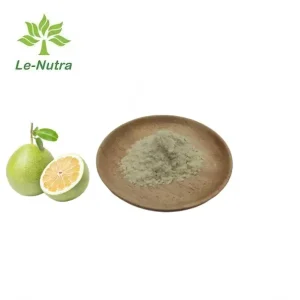
- Integrated Phyto-Cosmetic Systems: The convergence of internal metabolic wellness and topical cosmeceuticals ("Beauty-from-Within") demands raw materials that double as dermal matrix rebuilders—including polyphenol-rich botanical extracts (Pomegranate Ellagic Acid, Pomelo Bioflavonoids), low-molecular plant peptides, and liver detoxifiers (Cynarin from Artichoke Extract).
Formulating with active myo-inositol, pyridoxal-5-phosphate (P-5-P), and standardized botanical adaptogens to regulate estrogenic turnover, follicular maturation, and cyclic metabolic surges.
Moving beyond isolated Calcium Carbonate to microencapsulated Vitamin K2 (Menaquinone-7 via pure bio-fermentation), microcrystalline hydroxyapatite, and plant-derived Marine Lithothamnion sp. minerals.
Incorporating standardized antioxidants, Ginseng Peptides, Bromelain enzymes, and Tranexamic-protective skin balance matrices to counteract oxidative senescence and capillary fragility.
B2B Ingredient Sourcing & ODM Pricelist Matrix
Indicative wholesale procurement ranges, chemical identification, and quality assay thresholds for core components utilized in specialized women's multivitamin batch production.
| Ingredient / Bioactive Entity | Standardized Grade / Assay | Primary Role in Women's Health | Target Physical Form | Indicative Price (USD/kg) | Standard MOQ |
|---|---|---|---|---|---|
| L-5-Methyltetrahydrofolate (5-MTHF) | ≥98.5% (HPLC, Glucosamine Salt) | Neural tube, methylation cycle, DNA repair | Fine off-white powder | $1,850 – $2,400 | 1 kg |
| Iron Bisglycinate Chelate | ≥20.0% Elemental Fe (FCC/USP) | Non-constipating hematinic, energy | Free-flowing granulate | $28 – $42 | 25 kg |
| Vitamin K2 (MK-7 Pure Trans) | 1,000 to 10,000 ppm (Fermented) | Osteocalcin activation, arterial flexibility | Microencapsulated beadlets | $110 – $340 | 5 kg |
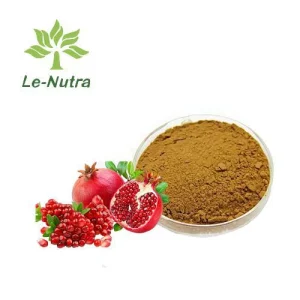
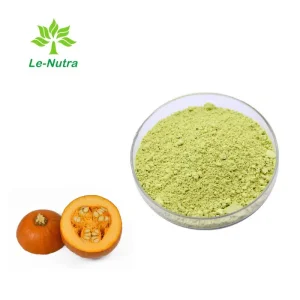
| Pomegranate Peel Extract | 40% – 90% Ellagic Acid (HPLC) | Cellular antioxidant, dermal UV mitigation | Fine crystalline powder | $32 – $68 | 25 kg |
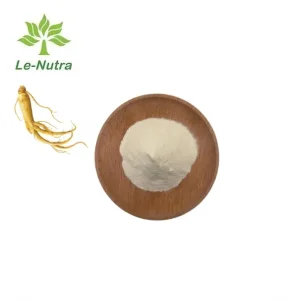
| Ginseng Peptide (Oligopeptide) | ≥80% Peptides (<1,000 Da) | Adrenal adaptogen, ATP restoration | Water-soluble powder | $95 – $145 | 10 kg |
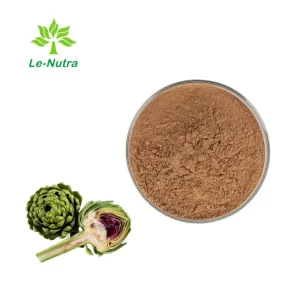
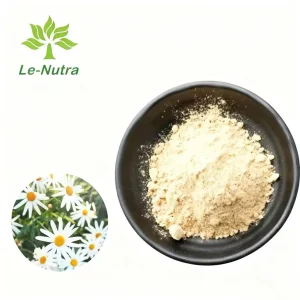
| Artichoke Extract (Cynarin) | 2.5% – 5.0% Cynarin (UV/HPLC) | Hepatic estrogen clearance, digestion | Brown fine powder | $22 – $38 | 25 kg |
| Tranexamic Acid (USP/Cosmetic) | ≥99.0% Pure Purity | Aesthetic hyperpigmentation synergy | White crystalline powder | $35 – $55 | 25 kg |
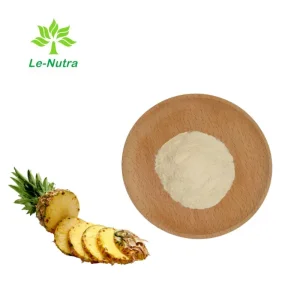
| Pure Bromelain Powder | 1,200 – 2,400 GDU/g (Stem origin) | Enzymatic bioavailability, anti-inflammatory | Light beige powder | $40 – $75 | 25 kg |
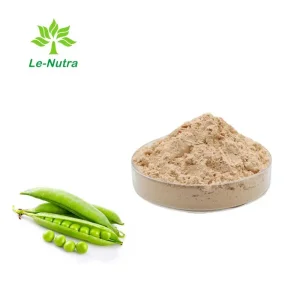
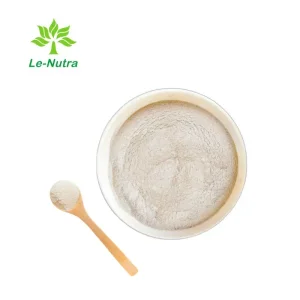
| Pea Protein Powder (Organic/Isolate) | ≥80% to 85% Crude Protein | Hypoallergenic base carrier, satiety | Neutral spray-dried powder | $5.50 – $9.20 | 100 kg |
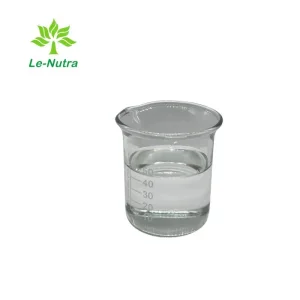
| D-Panthenol (Pro-Vitamin B5) | ≥98.0% (USP/EP) | Cellular coenzyme A, keratin support | Viscous clear liquid | $24 – $36 | 20 kg |
*Note on Pricing Variables: Raw material unit economics within the contract manufacturing sector correlate directly with third-party testing parameters (residual solvents via USP <467>, heavy metals via ICP-MS, and pesticide screening under USP <561>), organic certifications (USDA/EU), microencapsulation stability protocols, and long-term volume agreements.
Localized Application Scenarios & Advanced Delivery Systems
Overcoming chemical cross-reactions, hygroscopic degradation, and gastrointestinal barriers across multiple regional regulatory frameworks.
Formulation requires strict California Proposition 65 limits for Lead (<0.5 mcg/day), Arsenic, and Cadmium. Focus centers on high-potency gummy delivery and DuoCap (beadlet-in-oil) formats combining fat-soluble vitamins (D3/K2) with Omega-3 algal oil and powdered methylated B-complexes.
EFSA restricts synthetic chemical carriers and strictly enumerates permitted mineral forms (Regulation EC 1170/2009). Formulas must avoid Titanium Dioxide (E171) entirely, favoring chlorophyllin, beet root, or riboflavin natural colorings in vegan pullulan or HPMC two-piece capsules.
Targeting high-absorption liquid sachets and dispersible effervescent tablets. Products entering Australia must adhere to Therapeutic Goods Administration (TGA) compositional guidelines, while Middle Eastern expansion mandates Halal gelatin or 100% plant-origin peptide carrier systems.
Overcoming Physicochemical Incompatibilities in Multi-Ingredient Matrices
Combining 20+ botanical actives and micronutrients in a single daily serving presents severe chemical stability hurdles. Transition metal minerals such as cupric sulfate or ferrous fumarate can catalyze the rapid oxidative degradation of Vitamin C, Thiamine (B1), and Vitamin K2. Furthermore, botanical extracts containing organic acids or hydrolytic enzymes (such as Bromelain) can induce cross-linking in softgel shells or degrade adjacent peptide structures.
To overcome these formulation bottlenecks, advanced ODM plants utilize:
- Fluidized-Bed Microencapsulation: Enclosing delicate fat-soluble molecules in lipid or ethylcellulose micro-shells to block moisture absorption and mineral contact.
- Multi-Phase Beadlet-in-Oil Technology: Suspending insoluble botanicals and sensitive vitamins as dry spherical pellets inside an oil matrix of plant-based squalane, primrose oil, or DHA, preventing liquid-powder interaction until gastric dissolution.
- Low-Aw (Water Activity) Processing: Maintaining finished capsule core water activity below 0.25 Aw to eliminate chemical degradation and spontaneous microbial proliferation without synthetic preservatives.
Technological Roadmap & Macro-Industry Solutions
How bio-engineering, precision fermentation, and standardized analytical validation ensure supply chain resilience and clinical efficacy.
Replacing petroleum-derived petrochemical pathways with yeast- and bacterial-fermentation systems. This includes bio-fermented Vitamin K2-MK7, natural ergocalciferol from UV-irradiated fungi, and lichen-derived cholecalciferol for true vegan claims.
Synthesizing fully reacted amino acid chelates verified via FTIR (Fourier-Transform Infrared Spectroscopy) to guarantee true ring-structure coordination, ensuring minerals pass intact through gastric acidity without ionic precipitation.
Deploying pH-triggered enteric coatings and sustained-release micro-pellets. This ensures that acid-sensitive probiotic co-factors and antioxidant polyphenols bypass stomach acid and are absorbed specifically within the duodenal and ileal windows.
Executing Carbon-14 isotopic ratio mass spectrometry (IRMS) to differentiate natural botanical extracts from synthetic adulterants, backed by digitally verifiable Certificates of Analysis for international regulatory compliance.
Strategic ODM Supplier Qualification Protocol
For brand owners looking to partner with high-tier ODM manufacturers, thorough supply chain audits are essential. Leading suppliers operate under cGMP (21 CFR 111), ISO 22000, FSSC 22000, and NSF International accreditations. A qualified ODM partner must supply a comprehensive Technical Master File containing:
- Assay Validation: Validated HPLC, UHPLC, or LC-MS/MS analytical methodologies specifying exact reference standards for active markers (such as Cynarin in Artichoke or Ellagic Acid in Pomegranate).
- Contaminant Screening Dossier: Complete ICP-MS data for Heavy Metals (Pb, As, Cd, Hg), GC-MS multi-residual pesticide screens (over 400 compounds), microbial bioburden tests, and aflatoxin assays.
- Accelerated & Real-Time Stability Data: 24 to 36-month stability testing under Zone IVb conditions (30°C / 75% RH) to substantiate expiration dating and active ingredient overage requirements.
Active Cosmetic Peptides & High-Purity Nutraceutical Extracts
Engineered plant proteins, enzymatic hydrolysates, and therapeutic-grade herbal active compounds for customized women's daily supplement and skincare formulations.
Frequently Asked Questions for Formulation & Procurement Teams
Authoritative answers on compliance, analytical assay verification, stability parameters, and manufacturing contracts.
Traditional synthetic folic acid must undergo multi-step enzymatic reduction via dihydrofolate reductase (DHFR) and methylenetetrahydrofolate reductase (MTHFR) to become metabolically active. In individuals carrying the common MTHFR polymorphism (up to 40% of the female population), this conversion is impaired, leading to circulating Unmetabolized Folic Acid (UMFA). 5-MTHF bypasses these genetic bottlenecks, immediately participating in homocysteine remethylation and cellular DNA synthesis.
Iron bisglycinate chelate is formed by covalently bonding one ferrous ion to two glycine molecules. This neutral, non-ionized complex remains electrically stable across gastric acidity, preventing premature oxidation to ferric ions (Fe3+) that irritate the stomach lining. It is absorbed intact through mucosal enterocytes via peptide transport pathways, offering up to 4x higher absorption efficiency with minimal gastric distress.
Routine HPLC confirms active marker concentration (e.g., Cynarin or Ellagic Acid), but cannot differentiate botanically derived molecules from synthetic analogues. To confirm natural origin and satisfy EU/FDA authenticity regulations, specialized labs employ Carbon-14 Isotope Ratio Mass Spectrometry (IRMS) and Site-Specific Natural Isotope Fractionation by NMR (SNIF-NMR), identifying petroleum-derived feedstocks through depleted carbon-14 levels.
Unprotected Menaquinone-7 degrades rapidly in the presence of alkaline calcium carbonate or magnesium oxide, losing up to 80% potency within 90 days. Professional ODM facilities resolve this by using microencapsulated, pure all-trans MK-7 with a protective double-wall fat matrix, or by utilizing multi-phase DuoCap/beadlet packaging that physically isolates MK-7 from free mineral ions.
For established in-house premix bases, standard lead times are typically 3 to 4 weeks. For fully customized ODM formulations requiring custom pilot batching, stability stress tests, and specific botanical standardization, lead times span 6 to 9 weeks. Custom capsule or tablet packaging minimums usually start at 100,000 to 300,000 dosage units, while powder formulations begin at 500 kg.
Every production batch includes an analytical Certificate of Analysis (COA) with actual numeric test findings (not merely 'conforms'), a Safety Data Sheet (SDS/MSDS) aligned with GHS standards, a Technical Specification Sheet, Non-GMO declarations, Allergen statements, BSE/TSE-free attestations, and full residual solvent / heavy metal screening reports under USP limits.