Enterprise-Grade Vegetal Protein Extracts & Isolates
Lab-validated plant-based nutritional isolates engineered for functional food processing, dietary supplements, and modern vegan formulation standards.
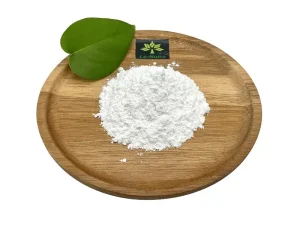
Global Vegetal Protein Market Trends & Macro Industry Solutions
Addressing nutritional density, allergen segregation, emulsification kinetics, and clean-label integrity across transnational supply chains.
The global transition toward non-animal dietary proteins has shifted decisively from an exploratory consumer sub-segment to a structural imperative within food science and preventive health. Modern enterprise procurement teams no longer view vegetal proteins as mere substitutes for whey, casein, or egg albumen. Instead, plant protein isolates, concentrates, and enzymatic hydrolysates are recognized as foundational bioactive matrices offering tailored nitrogen solubility indexes (NSI), superior PDCAAS (Protein Digestibility-Corrected Amino Acid Score), hypoallergenic profiles, and predictable rheological behavior across thermal processing cycles.
According to analytical data across international ingredients markets, the global plant protein market is experiencing sustained compound annual growth driven by three convergent pressures: ESG-mandated carbon footprint reduction, widespread consumer demand for clean-label formulation free of common allergens (dairy, gluten, egg), and technical advances in enzymatic bio-refining that dramatically eliminate the astringency and beany off-notes historically associated with raw legumes.
| Botanical Source | Standard Protein Assay | PDCAAS Rating | Key Functional Properties | Target Formulation Applications |
|---|---|---|---|---|
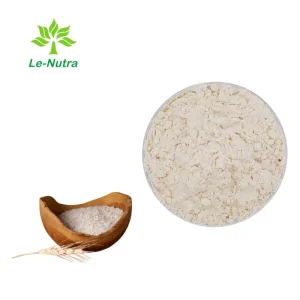
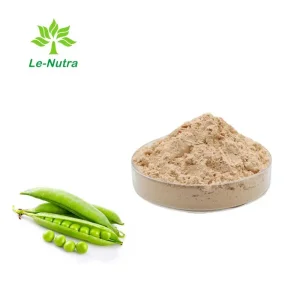
| Yellow Pea Isolate | 80% – 85% | 0.78 – 0.89 | High foaming capacity, excellent dispersibility, hypoallergenic | Sports RTD shakes, plant-based dairy, meal replacements |
| Organic Brown Rice | 80% – 90% | 0.53 – 0.65 (High Cysteine/Methionine) | Neutral flavor profile, smooth mouthfeel, digestive tolerability | Infant nutritional bases, medical recovery diets, complementary blends |
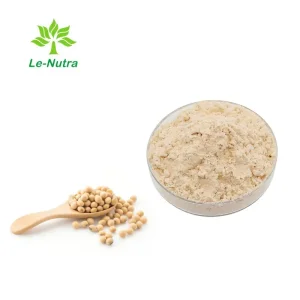
| Soy Protein Isolate (SPI) | 90% – 92% | 1.00 (Complete amino balance) | Superior gel elasticity, fat-emulsification kinetics | High-moisture meat analogues, extruded snacks, baked goods |
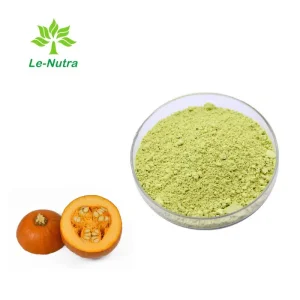
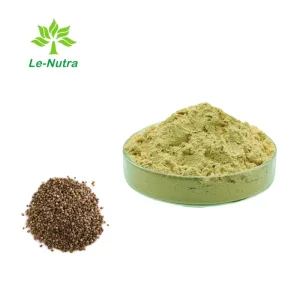
| Pumpkin Seed Protein | 60% – 70% | 0.62 – 0.70 (Rich in Zn, Mg, BCAAs) | High mineral matrix, thermal stability, green label natural status | Superfood powders, wellness functional capsules, keto snacks |
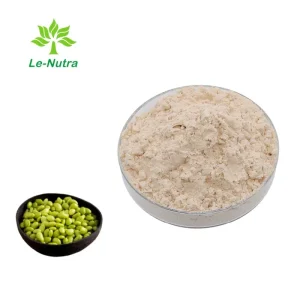
| Fava Bean Isolate | 85% – 88% | 0.70 – 0.75 | Exceptional solubility at low pH, cold-water clarity | Clear high-protein beverages, acidic functional tonics |
To overcome limiting amino acid profiles—such as the lower methionine content in legumes or the lower lysine concentrations found in cereal grains—leading formulators utilize algorithmic co-isolation and targeted blending. By marrying Pea Protein Powder with Rice Protein Powder in a standardized 70:30 stoichiometric ratio, B2B product engineers produce a fully balanced amino acid score rivaling gold-standard dairy proteins while maintaining 100% vegan certification and zero lactose encumbrance.
Strategic Manufacturing Advantages: Sourcing from China Factories
Combining non-GMO agricultural abundance, intelligent membrane ultrafiltration, and full-spectrum regulatory traceability for global brand owners.
Upstream Agricultural Integration
China operates the world's most concentrated non-GMO legume and grain processing corridors. Facilities directly interface with localized raw material bases in Heilongjiang, Shaanxi, and Inner Mongolia, guaranteeing consistent grain morphology, low pesticide residue baselines, and complete field-to-barrel harvest traceability.
Advanced Physical & Enzymatic Refining
Departing from antiquated chemical precipitation, modern Chinese facilities deploy multi-stage closed-circuit enzymatic separation and ceramic membrane nanofiltration. This cold-processing flow sheet preserves secondary and tertiary protein folding while mitigating thermal denaturing, ensuring optimal native protein bioactivity.
Economies of Scale & Cost Predictability
With an annual processing capacity exceeding 3,000 metric tons across 6 automated multi-functional lines, China-based bio-refineries absorb international raw material volatilities. Enterprise buyers benefit from fixed long-term volume pricing, avoiding the speculative price swings observed in smaller decentralized markets.
Stringent Multi-Standard QA Protocols
Every industrial production run is backed by validated laboratory testing under cGMP, ISO9001, Kosher, and EcoVadis guidelines. Batches undergo rigorous high-performance liquid chromatography (HPLC), ICP-MS heavy metal checks, and certified microbiological assays, assuring zero regulatory friction across FDA or EFSA ports of entry.
Custom Meshing & Tailored Functionality
Formulation challenges often hinge on physical particle dynamics. Chinese manufacturing lines feature precision cryogenic micro-milling capable of yielding specifications from 80-mesh standard powders down to 300-mesh ultra-fine textures, completely resolving the mouthfeel grittiness common in instant plant protein beverages.
Intermodal Global Logistics Readiness
Located near core shipping hubs with integrated multi-modal transit networks, orders destined for Europe, North America, Southeast Asia, or South America receive optimized customs dispatch, palletized barrier-packaging, vacuum-sealed nitrogen purging, and prompt issuance of bilingual international certificates.
Targeted Commercial Application Scenarios
Translating biological isolates into high-performance consumer finished goods across three core vertical industries.
Sports Nutrition & Active Lifestyle
Challenge: Traditional whey alternatives frequently trigger gastrointestinal sensitivity, while poor solubility leads to clumping in standard consumer shaker bottles.
Technical Resolution: Enzymatically micronized Pea and Rice Protein powders boasting nitrogen solubility indexes (NSI) > 85%. These powders integrate smoothly into instant dry shakes, protein bars, and meal replacement sachets without separating or precipitating over ambient shelf lives.
Nutraceuticals & Clinical Recovery Diets
Challenge: Formulating for geriatric recovery or oncology post-care demands exceptional bioavailability, rapid gastric transit, and hypoallergenic certification.
Technical Resolution: Clean-label Fava Bean and Pumpkin Seed protein hydrolysates. Featuring high naturally occurring glutamic acid, arginine, and essential branched-chain amino acids, these ingredients support cellular repair and nitrogen retention without invoking common soy or dairy allergens.
Personal Care & Biomimetic Cosmeceuticals
Challenge: Synthetic hair conditioning agents and animal keratin face growing consumer resistance and escalating regulatory constraints.
Technical Resolution: Hydrolyzed vegetable peptides derived from corn, potato, and soy. With low average molecular weights (<2,000 Da), these biomimetic peptides penetrate the damaged cuticle and stratum corneum, restoring tensile strength, moisture balance, and structural barrier integrity.
Enterprise Sourcing Blueprint: From Specification to Batch Release
A rigorous five-stage quality assurance protocol ensuring end-to-end regulatory compliance, technical validation, and supply chain continuity.
Technical Parameter Alignment
Definition of critical quality attributes (CQAs): protein assay on a dry basis (Kjeldahl N×6.25), bulk density, particle mesh sizing, moisture limits, and desired amino acid thresholds.
Sample Validation & Lab Audits
Provision of certified pilot samples accompanied by primary lot-specific Certificates of Analysis (COA), comprehensive MSDS/SDS documentation, Non-GMO affidavits, and full allergen checklists.
Industrial Synthesis & Hydrolysis
Precision execution utilizing automated enzymatic biocatalysis, ceramic ultrafiltration loops, and specialized spray-drying parameters designed to preserve solubility and functional clarity.
Analytical Release Clearance
Mandatory batch screening verifying microbiological ceilings (total plate count <10,000 cfu/g, zero Salmonella/E. coli), ICP-MS heavy metal limits (Pb, As, Cd, Hg), and strict pesticide residues.
Global Multimodal Export & Regulatory Clearance
Palletized vacuum barrier-packing with oxygen scavengers, temperature-controlled container transport, complete customs declaration paperwork, and real-time shipment monitoring directly coordinated with brand procurement offices across 40+ countries.
Enterprise Procurement & Formulation FAQ
Immediate engineering insights to help regulatory, QA, and procurement teams expedite technical supplier qualification.
How does China-sourced Pea Protein compare to European or North American equivalents?
Modern Chinese bio-processing hubs utilize identical advanced membrane ultrafiltration and low-temperature spray drying technologies found in European plants. Raw ingredients leverage high-grade non-GMO yellow peas, yielding comparable purity (≥80-85% protein dry basis), identical PDCAAS ratings, and matching sensory profiles at substantially lower production costs.
What specific methods are deployed to resolve "beany" off-flavors in vegetal protein powders?
Off-notes in legume proteins stem from lipoxygenase-mediated oxidation of unsaturated fatty acids. Our facilities employ flash thermal deactivation before milling, followed by controlled enzymatic hydrolysis and activated carbon adsorption phases that systematically strip out hexanal and related volatile flavor compounds.
Can molecular weights be customized for hair-care or cosmeceutical applications?
Yes. By adjusting enzyme complexes (endopeptidases vs. exopeptidases), reaction times, and temperature gradients, our R&D team modulates protein cleavages to yield specific dalton ranges—such as <1,000 Da for deep cuticle penetration or 2,000–5,000 Da for film-forming surface conditioning.
What quality and compliance documentation is provided for international registration?
Every commercial consignment includes a verified Certificate of Analysis (COA), 16-point GHS-compliant Safety Data Sheet (SDS), Non-GMO Statement, Allergen Declaration, BSE/TSE-Free Certificate, Kosher/Halal certification, and heavy metal testing reports validated via ICP-MS.
What are the standard Minimum Order Quantities (MOQs) and lead times for bulk supply?
Standard trial orders begin at 25 kg fiber drums for specialty peptides and 500 kg to 1 metric ton for commodity isolates. In-stock inventory typically dispatches within 3 to 5 business days, while customized production runs require 2 to 3 weeks depending on tailoring parameters.
How do you guarantee batch-to-batch color and solubility consistency across seasons?
We enforce automated standardized extraction programs where batch blending, spectrophotometric color indexing, and continuous inline viscosity monitoring neutralize natural agricultural variances across seasonal harvest cycles.
Hydrolyzed Proteins, Cosmeceutical Actives & Standardized Extracts
High-purity botanical molecules and functional protein derivatives engineered for sophisticated cosmetic and nutraceutical architectures.