Featured High-Assay Bioactive Materials & Formulas
Explore verified supplement and cosmeceutical ingredients straight from audited manufacturing lines with complete batch documentation.
-
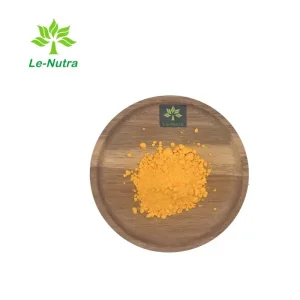
Buy Raw Material Pure Coenzyme Q10 Powder for Health Supplements Manufacturer, Exporters
Request Technical Quote -
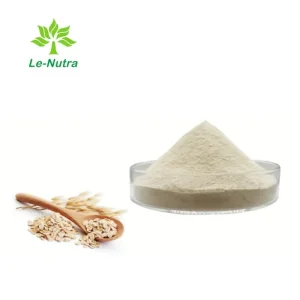
OEM Natural Hydrolyzed Oat Protein for Hair Strengthening Products Manufacturer, Pricelist
Request Technical Quote -
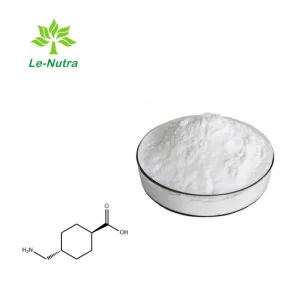
High-Quality Premium Tranexamic Acid Powder For Cosmetics With Antioxidant Exporter, Pricelist
Request Technical Quote -
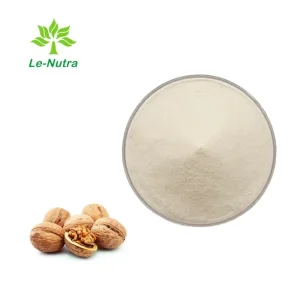
ODM All Natural Cosmetic Grade Hydrolyzed Walnut Protein Powder For Sale Suppliers, Pricelist
Request Technical Quote -
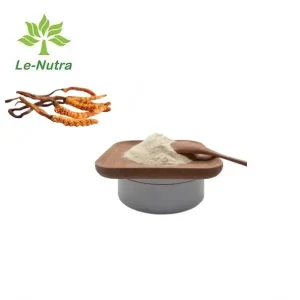
Custom Cordyceps militaris peptide powder Factories, Exporter
Request Technical Quote -
OEM Premium Neopentyl Glycol Diheptanoate for Cosmetics Beauty Products Manufacturers, Factories
Request Technical Quote -
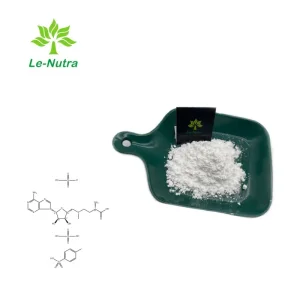
China Health Supplement Raw Material S-Adenosyl Methionine Powder for Support Mood Balance Factory, Exporter
Request Technical Quote -
OEM salicylic acid powder for skin Suppliers, Manufacturers
Request Technical Quote
Global Vitamin D3 Manufacturing Ecosystem & Supply Chain Dynamics
A deep dive into upstream raw material procurement, photochemical conversion capacities, and the transition toward microencapsulated clean-label formats across worldwide markets.
Upstream Cholesterol Extraction
Commercial cholecalciferol depends fundamentally on 7-dehydrocholesterol (7-DHC). High-tier factories maintain tight backward integration with lanolin recovery systems from wool grease processing, guaranteeing ultra-low pesticide residues and eliminating hydrocarbon contaminants right at the precursor stage.
Photochemical UV Conversion
Converting 7-DHC into previtamin D3 demands calibrated narrow-band ultraviolet photolysis reactors followed by precise thermal isomerization. Controlling photo-byproducts such as lumisterol and tachysterol is what separates technical-grade feed powders from pharmaceutical and premium nutraceutical ingredients.
Stabilization & Microencapsulation
Unprotected crystalline Cholecalciferol degrades rapidly under atmospheric oxygen, humidity, and heat. Certified facilities run spray-drying microencapsulation with modified starches, acacia gum, and natural tocopherols to yield high-stability beadlets (100,000 IU/g to 500,000 IU/g) with exceptional compression survival.
Industrial Grades, Assays, and Physical Specifications
Compare standard factory specifications across oily liquids, spray-dried emulsions, and cold-water dispersible (CWD) beadlets engineered for distinct dosage applications.
| Ingredient Grade | Potency / Assay | Carrier / Matrix System | Dispersibility | Optimal Formulation Target |
|---|---|---|---|---|
| Vitamin D3 Crystal | ≥ 40,000,000 IU/g (97.0% - 103.0%) | Pure Cholecalciferol (CAS 67-97-0) | Lipophilic / Oil-soluble | Premix synthesis, pharmaceutical injectables, API dilutions |
| Vitamin D3 Oil | 1,000,000 – 4,000,000 IU/g | MCT / Refined Soybean Oil / Sunflower Oil | Lipid continuous phase | Liquid dropper bottles, softgel encapsulation, fortified dairy |
| Vitamin D3 CWD Beadlets | 100,000 – 500,000 IU/g | Modified Food Starch, Sucrose, Sodium Ascorbate | Cold-water dispersible | Effervescent tablets, functional beverages, powdered beverage sticks |
| Direct Compression (DC) Powder | 100,000 IU/g | Gelatin/Starch shell, Silica flow agents | Uniform dry dispersion | Hard shell 2-piece capsules, multivitamin compressed tablets |
| Plant-Source Vegan D3 (Lichen) | 100,000 – 1,000,000 IU/g | Wild-harvested lichen biomass, botanical oils | Customized CWD or Oil | 100% Vegan certified formulas, Non-GMO clean label lines |
Localized Auditing Support & Multi-Jurisdiction Clearance
How our factory infrastructure mitigates import friction and assists your QA department in satisfying FDA, EFSA, and regional pharmacopeial monographs.
Pharmacopeial Harmonization
Every production batch conforms to USP, Ph. Eur., and FCC monograph standards. Complete documentation packets encompass analytical validation via validated HPLC assays, residual solvent testing (ICH Q3C guidelines), and heavy metal quantification via ICP-MS matching strict European lead/cadmium limits.
Zero Cross-Contamination & Allergenics
Modern cleanroom environments (ISO Class 8/Class 100,000) feature dedicated air-handling units (AHU) and positive pressure cascades. This design prevents atmospheric particulate cross-contamination and supports allergen-free, non-irradiated, and BSE/TSE-risk-free status across all dietary active lines.
Localized Customs Dossiers
Exporting to over 40 countries requires individualized logistics and customs preparation. We provide rapid dispatch of localized bilingual Safety Data Sheets (SDS), Kosher & Halal certifications, Certificates of Origin, and stability trial dossiers under Zone IVb climatic stress testing conditions.
Engineered Applications & Synergistic Delivery Systems
Formulation strategies unlocking higher physiological bioavailability and consumer adherence across modern nutraceutical categories.
Bone Matrix Synergies
Combining microencapsulated Vitamin D3 with Vitamin K2 (MK-7) and bioavailable calcium ensures optimal osteocalcin carboxylation, routing systemic calcium toward skeletal density rather than arterial calcification.
Immune Modulatory Blends
Synergized alongside botanical extracts like standardized elderberry, zinc bisglycinate, and bioactive peptides to enhance macrophage activity, support T-cell proliferation, and maintain mucosal barrier integrity.
Functional Gummy Confections
Utilizing thermo-stable gelatin/pectin-compatible beadlets with high retention rates through hot-cook extrusion cycles (up to 105°C), mitigating overage requirements and reducing overall manufacturing costs.
Ready-to-Drink (RTD) Emulsions
High-clarity CWD beadlets dissolve spontaneously in aqueous solutions without forming greasy surface rings, maintaining optical transparency and chemical stability in enriched functional waters and dairy alternatives.
Next-Generation Technology Roadmap: Clean Science & Biofermentation
Pioneering sustainable manufacturing paradigms from non-animal sterol fermentation to nano-liposomal intracellular delivery systems.
Precision Fermentation 7-DHC
Transitioning beyond sheep lanolin towards engineered Saccharomyces cerevisiae yeast strains capable of producing identical 7-dehydrocholesterol precursors via direct biofermentation of sustainable sugar feedstocks, achieving a truly sustainable, zero-animal supply chain.
Phospholipid Liposomal Delivery
Developing scalable nano-encapsulation techniques with non-GMO sunflower phosphatidylcholine. Clinical trials indicate phospholipid-complexed Cholecalciferol achieves up to 4.2x greater serum 25(OH)D conversion efficiency in patients with compromised gastrointestinal absorption.
Continuous Flow Photochemistry
Replacing conventional batch photolysis vessels with continuous microchannel flow reactors powered by high-flux LED light arrays. This delivers an 80% decrease in thermal isomerization degradation, boosting raw crystal purity above 99.2% without harsh chlorinated extraction solvents.
Procurement & Formulation FAQ: Vitamin D3 Ingredients
Direct technical answers addressing assay stability, shelf life guarantees, batch documentation, and factory auditing protocols.
What is the standard stability profile and recommended overage for Vitamin D3 beadlets?
How do you verify the absence of residual solvents and photochemical impurities?
What are the core differences between Lanolin-derived D3 and Lichen-derived Vegan D3?
What documentation accompanies commercial trial samples and container orders?
Explore Synergistic Health & Nutritional Actives
Broaden your formulation spectrum with verified botanical extracts, functional enzymes, and advanced peptides directly available from our high-capacity production lines.
-
OEM Nutrient-Rich Hemp Seed Protein Powder for Muscle Recovery & Gut Health Exporter, Quotes
Request Technical Quote -
OEM Saffron extract powder Supplier, Manufacturers
Request Technical Quote -
Wholesale Neutral Protease Enzyme Serrapeptase Powder for Food Supplement Supplier, Exporters
Request Technical Quote -
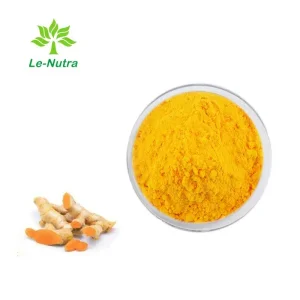
China Natural pigments Turmeric Extract Curcumin for Functional Foods & Beverages Suppliers, Pricelist
Request Technical Quote -
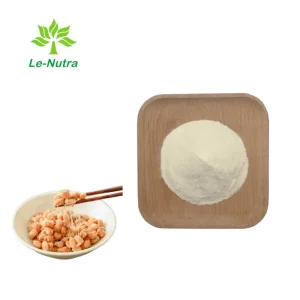
ODM High Quality Nattokinase Powder for Supplements Suppliers, Factory
Request Technical Quote -
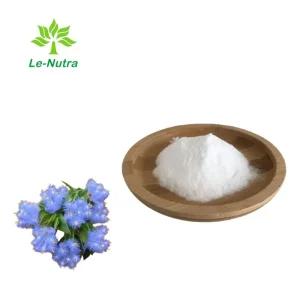
ODM Pure Cyanotis Arachnoides Extract Beta Ecdysterone Powder for Health Supplement Exporters, Quotes
Request Technical Quote -
OEM Allantoin Powder Suppliers, Factory
Request Technical Quote -
Custom Palmitoyl Pentapeptide-4 powder Suppliers, Factory
Request Technical Quote