Standardized Pharmaceutical & Cosmetic Ingredients Showcase
Explore our high-assay bioactive compounds produced in audited clean-room manufacturing facilities, thoroughly certified with validated batch COAs and chromatographic fingerprinting.
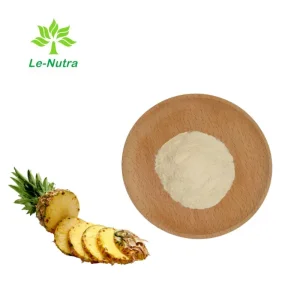
Wholesale Bulk Pure Bromelain Powder For Organic & Sustainable Sourcing Supplier, Pricelist
Inquire Specifications
ODM Pure Squalane Liquid Suppliers, Exporters
Inquire Specifications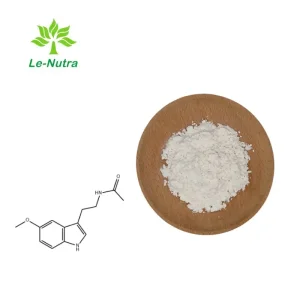
China Natural Supplement Melatonin Powder for Sleep Support – Improve Sleep Quality Factories, Exporter
Inquire Specifications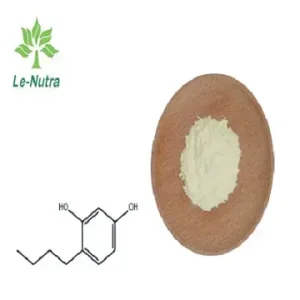
China Pure 4 Butylresorcinol Power Manufacturers, Manufacturer
Inquire Specifications
Buy Premium Soybean Peptide Powder for Cosmetics Exporter, Quotes
Inquire Specifications
ODM Safflower Powder Supplier, Quotes
Inquire Specifications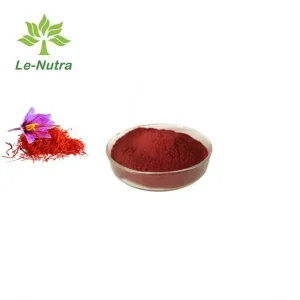
OEM Saffron extract powder Supplier, Manufacturers
Inquire Specifications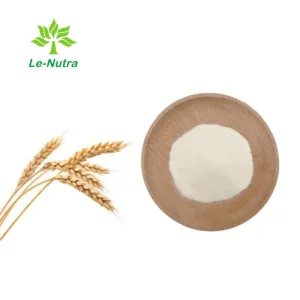
China Small Molecular Hydrolyzed Wheat Protein Powder for Hair Care Suppliers, Factory
Inquire SpecificationsMacro Industry Landscape: The Synergy of Alpha Arbutin & Salicylic Acid
A rigorous examination of molecular mechanisms, dermal bio-distribution, enzymatic kinetics, and global supply chain positioning for cosmetic chemists and commercial procurers.
Alpha-Arbutin: The Biocatalytic Tyrosinase Inhibitor
4-Hydroxyphenyl-α-D-glucopyranoside (Alpha-Arbutin, CAS 84380-01-8) stands as a monumental leap forward over conventional beta-arbutin and cytotoxic hydroquinone. Synthesized industrially through advanced microbial transglucosylation catalyzed by cyclodextrin glucanotransferase (CGTase) or amylosucrase, the α-glucosidic linkage imparts tenfold superior tyrosinase-inhibiting potency compared to plant-extracted β-arbutin.
The compound acts as a competitive substrate inhibitor at the active site of monophenol monooxygenase, blocking the rate-limiting oxidation of L-tyrosine to L-DOPA and subsequent dopaquinone conversion within epidermal melanocytes, without causing melanocyte necrosis or irreversible vitiligo-like leukoderma.
Salicylic Acid: Lipophilic Desmosomal Exfoliation
2-Hydroxybenzoic acid (Salicylic Acid, CAS 69-72-7) operates as an oil-soluble beta-hydroxy acid (BHA) possessing an intrinsic pKa of 2.97. Its lipophilic aromatic nucleus allows rapid partitioning through the sebum-rich pilosebaceous unit, solubilizing intra-follicular lipids and disrupting corneocyte cohesion via dissolution of intercellular desmosomes (desmogleins and desmocollins).
Beyond mechanical micro-exfoliation and comedolytic clearance, Salicylic Acid provides intrinsic anti-inflammatory bioactivity through targeted suppression of the NF-κB pathway, attenuating cyclooxygenase-2 (COX-2) gene transcription and downregulating local prostaglandin PGE2 synthesis in acneiform dermatitis and post-inflammatory erythema (PIE).
| Physicochemical Parameter | Alpha-Arbutin Specification | Salicylic Acid (USP/EP Grade) | Binary Synergy Formulations |
|---|---|---|---|
| Molecular Formula & MW | C₁₂H₁₆O₇ | 272.25 g/mol | C₇H₆O₃ | 138.12 g/mol | Optimized Molar Ratios: 1:1 to 2:1 Actives |
| Chemical Structure Identity | Hydroquinone-O-α-D-glucopyranoside | Ortho-hydroxybenzoic acid | Chiral pure glycoside + Lipophilic aromatic acid |
| Solubility Profile (25°C) | Freely soluble in water (150 g/L) | Sparingly soluble in water (2.2 g/L) | Requires polyol hydrotropes (Pentylene Glycol, Propanediol) |
| Target Dermal pH Window | Stable between pH 4.5 – 6.5 | Bioactive between pH 3.0 – 4.0 (Free Acid) | Equilibrium pH 3.8 – 4.2 with microencapsulated SA |
| Primary Degradation Risk | Hydrolysis into free Hydroquinone | Sublimation & crystallization precipitation | Buffered buffering systems + Chelators (EDTA, Sodium Phytate) |
| Regulatory Upper Limits | 2.0% Face / 0.5% Body (EU SCCS) | 2.0% Leave-On / 3.0% Rinse-Off | Compliant under EU, US FDA OTC, and China NMPA dossiers |
Commercial Production, Purity Specifications & Risk Mitigation
Meeting global pharmacopeia demands through rigorous analytical instrumentation, ensuring zero cytotoxic contamination and validated multi-market compliance.
HPLC Chiral Enantiomeric Resolution
Low-tier commercial manufacturers frequently supply racemic arbutin mixtures or inferior beta-arbutin contaminated with raw hydroquinone. Our facilities utilize reversed-phase high-performance liquid chromatography (RP-HPLC) with chiral stationary phases and photodiode array (PDA) detection at 280 nm. We guarantee chiral Alpha-Arbutin purity exceeding 99.5%, with optical specific rotation [α]²⁰D validated between +174.0° and +184.0°.
Hydroquinone Impurity Profiling (<10 ppm)
Under elevated thermal processing or inappropriate acid catalysis, Alpha-Arbutin can undergo chemical cleavage of the glycosidic ether bond, liberating free hydroquinone—a restricted, mutagenic, and ban-listed substance in over-the-counter cosmetics. Our proprietary crystallization purification process maintains residual hydroquinone rigorously beneath 10 ppm (typically non-detectable at <1 ppm), aligning with the stringent EU SCCS/1642/22 regulatory opinions.
Salicylic Acid Monograph Validation (USP/EP/BP)
Manufactured via high-pressure Kolbe-Schmitt carboxylation of high-purity sodium phenolate followed by selective acidification, our cosmetic- and pharma-grade Salicylic Acid satisfies all monographs of the United States Pharmacopeia (USP), European Pharmacopoeia (Ph. Eur.), and British Pharmacopoeia (BP). Residual phenol levels are capped below 0.02%, with total heavy metals restricted below 10 ppm via ICP-MS testing.
Advanced Carrier Architectures: Overcoming Solubility & Degradation
Resolving thermodynamic hurdles in binary acid-brightener complexes: Supramolecular cyclodextrins, liposomal encapsulation, and balanced polyol hydrotropy.
Supramolecular Hydroxypropyl-β-Cyclodextrin Complexes
Because Salicylic Acid exhibits poor aqueous solubility (0.22% at 20°C) and requires elevated ethanol concentrations that induce trans-epidermal water loss (TEWL), our R&D team engineers host-guest inclusion complexes using Hydroxypropyl-beta-cyclodextrin (HP-β-CD). The hydrophobic interior cavity sequesters the aromatic ring of Salicylic Acid, increasing apparent aqueous solubility by over 800% without hazardous volatile solvents, while attenuating sensory stinging.
Polyol-Driven Dual-Phase Hydrotropic Solutions
For crystal-clear brightening serums containing 2.0% Alpha-Arbutin and 2.0% Salicylic Acid, water crystallization can occur upon temperature drops (<5°C). Utilizing green-chemistry polyols—specifically high-purity 1,2-Pentanediol, Propanediol, and Butylene Glycol—our formulation protocol establishes structured hydrogen-bonded hydration networks. This stabilizes the arbutin glucoside backbone while preventing salicylic acid recrystal precipitation.
pH-Partition Controlled Release Nanocarriers
A classic incompatibility arises because Salicylic Acid works optimally at acidic pH (<3.5), whereas Alpha-Arbutin exhibits maximum hydrolytic stability between pH 4.8 and 5.8. By encapsulating Salicylic Acid in sub-micron solid lipid nanoparticles (SLN) or poly(lactic-co-glycolic acid) (PLGA) nano-spheres, formulators maintain an external continuous aqueous phase at pH 5.0 for intact Alpha-Arbutin preservation, achieving targeted follicular release upon enzymatic sebum digestion.
Localized Regulatory Compliance & Multi-Jurisdiction Dossiers
Comprehensive regulatory alignment protecting brand partners from product recalls, customs delays, and legal sanctions across tier-one international markets.
European Union (EU REACH & SCCS)
Under the EU Cosmetics Regulation (EC) No 1223/2009 and the updated SCCS/1642/22 scientific opinion, Alpha-Arbutin is permitted at up to 2.0% in face creams and 0.5% in body formulations. Salicylic Acid compliance is governed by Annex III (Entry 98), restricted to 2.0% for leave-on face products and 3.0% for rinse-off hair treatments, with mandatory eye irritation warnings for children under 3.
United States (FDA OTC Drug & MoCRA)
In the US market, Salicylic Acid is recognized under the FDA OTC Acne Drug Monograph (21 CFR Part 333) at 0.5% to 2.0% concentrations, requiring strict OTC drug establishment registration and Good Manufacturing Practice (cGMP). Alpha-Arbutin falls under the Modernization of Cosmetics Regulation Act (MoCRA), necessitating facility registration and safety substantiation documentation.
China NMPA Filing & Safety Assessments
Both ingredients are cataloged in the Inventory of Existing Cosmetic Ingredients in China (IECIC 2021 edition). We furnish complete Raw Material Safety Data (Code Dossiers) satisfying Annex 14 requirements of NMPA regulations, providing full quantitative breakdown, solvent traces, heavy metal limits (Pb <10ppm, As <2ppm, Hg <1ppm), and sub-chronic toxicity summaries.
ASEAN, Halal & Kosher Certification
Export batches destined for Southeast Asia, the Middle East, and Latin America are accompanied by Halal (JAKIM/MUI compliant) and Kosher certifications. Full documentation packages encompass Material Safety Data Sheets (16-section GHS SDS in English), Certificates of Analysis (COA), BSE/TSE-Free statements, Non-Animal Testing certifications, and EcoVadis sustainability disclosures.
Localized Formulation Scenarios: Clinical Dermal Targeting
Engineered applications targeting inflammatory dermatoses, melasma, photodamage, and recalcitrant acne vulgaris.
Post-Inflammatory Hyperpigmentation (PIH/PIE)
Following inflammatory acne lesions, dermal micro-capillary dilation leaves persistent redness (PIE) while hyperactive melanocytes deposit concentrated epidermal melanin (PIH). The co-formulation of 2.0% Alpha-Arbutin with 1.5% Salicylic Acid accelerates skin turnover, shedding hyper-pigmented keratinocytes, while downstream tyrosinase shutdown halts secondary melanin synthesis.
Refractory Comedonal Acne & Keratosis Pilaris
Follicular hyperkeratinization traps sebum and Cutibacterium acnes inside pores. Salicylic Acid's lipophilic penetration thins the infundibular keratin plug, restoring normal follicular oxygen tension. Concurrently, botanical adjuvants like rosmarinic acid and pure resorcinols soothe follicular edema, preventing follicular rupture and scarring.
Photo-Induced Solar Lentigines & Melasma
Chronic UV exposure activates cutaneous stem cell factor (SCF) and endothelin-1, provoking uneven melanogenesis in basal layers. Combining Alpha-Arbutin's enzymatic blocking action with low-molecular peptides and enzymatic hydrolysates reinforces the dermal barrier while gradually evening skin tone and diminishing visible sun spots.
Manufacturing Infrastructure & Strategic Roadmap (2026–2030)
Operating a modernized 60,000 m² facility with 6 multifunctional extraction lines, audited analytics, and continuous green-chemistry breakthroughs.
Enzymatic Biocatalysis
Scaling up whole-cell biocatalytic glycosylation platforms to drive down carbon emissions by 42% relative to conventional organic synthesis routes.
Sub-ppm Hydroquinone Free
Implementation of industrial-scale counter-current chromatography to drive hydroquinone impurities beneath 0.1 ppm detection thresholds.
Bio-Based Encapsulation
Developing marine alginate and plant peptide micro-sponges for extended 12-hour sustained release of Salicylic Acid, mitigating skin sensitization.
Zero-Waste Closed Loops
Closed-loop organic solvent recycling, solar-powered multi-tank distillation units, and full carbon footprint transparency for Tier 1 international brands.
Frequently Asked Questions for Formulation Chemists & Buyers
Technical guidance, handling considerations, stability maintenance, and wholesale international logistics.
How does Alpha-Arbutin differ fundamentally from Beta-Arbutin in commercial cosmetic production?
Alpha-Arbutin is an anomeric isomer containing an alpha-glucoside linkage produced by enzymatic transglucosylation, whereas Beta-Arbutin features a beta-glucoside bond extracted mainly from bearberry leaves (Arctostaphylos uva-ursi) or chemically synthesized. Alpha-Arbutin exhibits an inhibitory potency against human tyrosinase approximately 10 times higher than Beta-Arbutin and exhibits greater hydrolytic stability at standard cosmetic temperatures. Beta-Arbutin hydrolyzes into cytotoxic hydroquinone far more rapidly under thermal or acidic stress, requiring higher concentration usage and carrying higher regulatory toxicity scrutiny in the European Union.
What is the optimal pH window for co-formulating Alpha-Arbutin and Salicylic Acid without hydroquinone formation?
Salicylic Acid requires a low pH (typically between 3.0 and 4.0) to preserve sufficient free acid for keratolytic activity, whereas Alpha-Arbutin prefers a mild pH window of 4.8 to 6.5. In free unencapsulated solutions, formulating below pH 4.0 significantly accelerates the degradation of Alpha-Arbutin into hazardous hydroquinone over ambient shelf life. To co-formulate safely, manufacturers must either (1) buffer the final emulsion or serum at pH 4.2 to 4.5 using a sodium citrate/citric acid buffer, or (2) utilize encapsulated Salicylic Acid (e.g., cyclodextrin complexes or liposomes) allowing an aqueous formulation pH of 5.0 without compromising clinical anti-acne efficacy.
What testing methodology does Le-Nutra employ to verify residual hydroquinone levels below 10 ppm?
We perform High-Performance Liquid Chromatography (RP-HPLC) linked to a UV/Photodiode Array (PDA) detector and triple-quadrupole mass spectrometry (LC-MS/MS) using validated internal standard addition techniques. Our Limit of Detection (LOD) for free hydroquinone is under 0.2 ppm, and our Limit of Quantitation (LOQ) is 0.5 ppm. Every exported production lot is issued an authentic batch Certificate of Analysis (COA) clearly reporting the verified free hydroquinone ppm level alongside the chiral purity assay.
How can formulators overcome Salicylic Acid recrystallization in high-concentration water-based serums?
Salicylic Acid recrystallization is triggered by poor aqueous thermodynamic solubility when storage temperatures drop below 15°C. Formulators should avoid relying exclusively on short-chain denatured alcohols, which cause transepidermal water loss. The standard industrial solution is incorporating a synergistic hydrotropic glycol triad—such as 3.0–5.0% 1,2-Pentanediol, 5.0–8.0% Propanediol, and 2.0% Betaine or PEG-8. This mixture disrupts solute-solute aromatic stacking, maintaining full solubility across fluctuating freeze-thaw cycles (-10°C to +45°C).
What bulk packaging and storage specifications are mandated for overseas ocean freight?
Alpha-Arbutin is packaged in double food-grade polyethylene interior liner bags vacuum-sealed with food-grade desiccant packets, encased in heavy-duty fiber drums (25 kg net weight). drums must be stored in cool, dark, and dry conditions below 25°C, sealed away from atmospheric moisture and strong oxidizing agents. Salicylic Acid USP/EP is similarly supplied in 25 kg fiber drums or multi-wall kraft paper bags. For hot maritime container transport through tropical zones, temperature-monitored refrigerated reefers or insulated thermal blanket liners are strongly recommended.
Can Le-Nutra provide customized particle sizing (micronization) or liquid pre-dissolved solutions?
Yes. Our manufacturing facilities are equipped with fluid energy jet mills capable of delivering micronized Salicylic Acid with D90 particle sizes under 10 microns (superfine grades), significantly improving dispersion and smooth skin sensory feel in anhydrous balm or suspension sticks. Additionally, we provide custom ODM liquid masterbatches containing stabilized pre-dissolved Salicylic Acid or Alpha-Arbutin in green glycols, enabling zero-dust automated dosing in continuous manufacturing cosmetic factories.
Comprehensive Bio-Cosmetic & Nutritional Raw Materials
Broaden your brand’s formulation efficacy with our specialty polyphenol extracts, enzymatically cleaved vegetal proteins, resorcinol derivatives, and multifunctional diols.
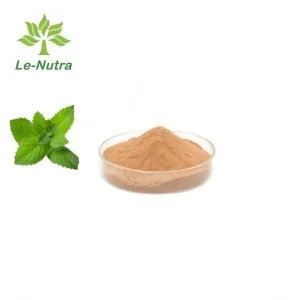
Buy Lemon Balm Rosmarinic Acid Supplier, Exporters
Inquire Specifications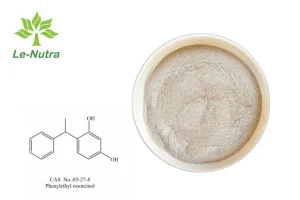
ODM 4 Alpha Methylbenzyl Resorcinol Powder Factories, Factory
Inquire Specifications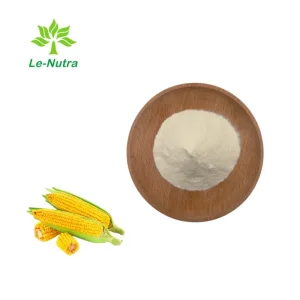
ODM Cosmetics grade Hydrolysed Corn Protein Manufacturers Supplier, Pricelist
Inquire Specifications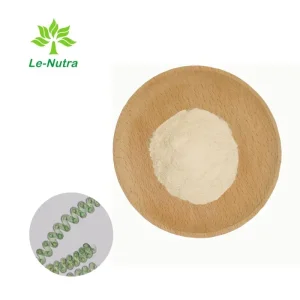
Wholesale Hydrolyzed Spirulina Protein Powder for Skin Care Supplier, Manufacturers
Inquire Specifications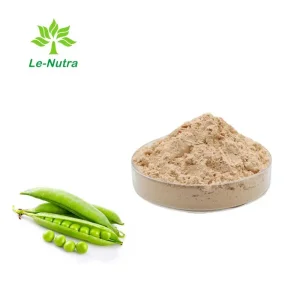
China High Quality Pea Protein Powder for Sustainable Nutrition – Premium Plant-Based Protein Suppliers, Exporter
Inquire Specifications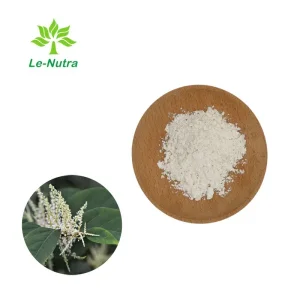
Custom Giant Knotweed Extract Resveratrol Powder for Supplement Quotes, Pricelist
Inquire Specifications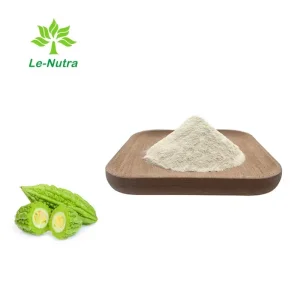
Buy Eco Friendly Hydrolyzed Bitter Melon Protein Powder for Hair Repair Manufacturers, Exporter
Inquire Specifications