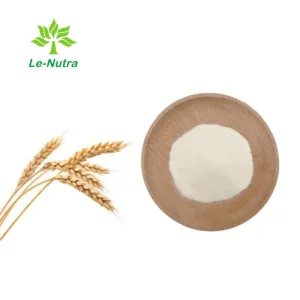
Small Molecular Hydrolyzed Wheat Protein Powder (Micro-Peptides for Hair Cortex Penetration)
Explore Wheat Peptide Specs
Direct access to laboratory-standardized peptide fractions engineered to comply with EU cosmetic safety regulations (EC No 1223/2009) and clean-label nutritional directives.
Positioned at the geographical heart of Western Europe’s biotechnology crescent, Belgium represents a critical strategic nexus for hydrolyzed protein manufacturing, advanced fermentation, and precision contract synthesis. Driven by cutting-edge life sciences clusters in Ghent, Louvain-la-Neuve, and Liège, Belgian formulators and contract manufacturing organizations (CMOs) demand peptide ingredients characterized by razor-sharp molecular weight distributions, zero chemical off-tastes, and unassailable regulatory credentials.
The agro-food clusters across Flanders (spearheaded by initiatives like Flanders’ FOOD) emphasize transition toward circular agro-residue upcycling. High-end food-processing facilities in Kortrijk, Ghent, and Roeselare utilize advanced plant hydrolysates for meat analogues, specialized infant nutrition, and low-viscosity beverage enrichment.
The Southern Belgian agro-extraction hub anchored by Wagralim drives substantial demand for bioactive peptides targeting gut health, immunological recovery, and sports nutrition. Local contract formulators require rapid pilot-scale custom enzymatic cleavages with tailored Degree of Hydrolysis (DH) metrics.
With the expanded Port of Antwerp-Bruges operating as Europe’s second-largest chemical and ingredient throughput center, Belgian OEM operations enjoy unrivaled logistical connectivity. Bulk hydrolysates enter localized cold-chain and bonded warehousing, guaranteeing rapid regional lead times under 48 hours.
The international hydrolyzed protein market is expanding at an anticipated CAGR exceeding 6.4%, driven fundamentally by the sunsetting of traditional hydrochloric acid hydrolysis in favor of multi-enzyme targeted digestion. Driven by eco-conscious European consumers and strict regulatory oversight by EFSA, brand owners are abandoning animal gelatin hydrolysates and crude isolates in favor of hypoallergenic, plant-derived bioactive peptides.
Historical hydrolysates suffered from uncontrolled peptide polydispersity, resulting in high concentrations of hydrophobic bitter di-peptides and residual ash content. Modern OEM contract manufacturing utilizes immobilized enzyme reactors and targeted endo/exopeptidases to isolate specific fractions (e.g., di- and tri-peptides below 500 Da) that evade immunogenic recognition while optimizing bio-absorption in human intestinal epithelial cells.
European Green Deal targets and CSRD (Corporate Sustainability Reporting Directive) obligations require brand owners across the Benelux zone to quantify Scope 3 emissions. Sourcing vegetal hydrolysates—such as wheat, pea, oat, and rice—reduces carbon footprints by up to 72% compared to bovine or porcine collagen sources, delivering verifiable lifecycle assessment (LCA) data to corporate procurement teams.
| Hydrolysis Technology | Typical Molecular Weight (Da) | Organoleptic Profile | Allergenic Risk Potential | Primary Industrial Destination |
|---|---|---|---|---|
| Enzymatic Membrane Bioreactor | 500 – 1,500 Da | Neutral, zero bitter notes, clear in solution | Extremely Low (Hypoallergenic) | Clinical Nutrition, Premium Cosmeceuticals |
| Controlled Batch Endopeptidase | 1,500 – 3,500 Da | Mild cereal note, high foam stability | Attenuated | Hair Care Masks, Protein Fortified Foods |
| High-Degree Multi-Enzyme Cleavage | < 500 Da (Oligopeptides) | Ultra-rapid dissolution, hyper-absorptive | Negligible | Medical Tube-Feeding, Infant Formulas |
| Legacy Acid Hydrolysis (Non-OEM) | Irregular Polydisperse | High sodium chloride, residual monochloropropanols | Moderate to High | Industrial Savory Flavoring Bases |
Hydrolyzed vegetal proteins are engineered to bridge specific biochemical performance gaps across high-value sectors. From dermatological hair restoration matrices formulated in Brussels laboratories to high-calorie medical foods manufactured in Walloon pharma hubs, our technical grades solve specific rheological and biological challenges.
Belgian cosmetic contract laboratories formulate sulfate-free shampoos, deep conditioning serums, and salon treatments with hydrolyzed wheat, pea, and keratin proteins. Low-molecular wheat peptides (< 1,500 Da) cross the hair cuticle directly into the cortex, restoring cystine bonds damaged by thermal bleaching and oxidative coloring.
Formulators specializing in FSMP (Foods for Special Medical Purposes) require highly digestible hydrolyzed rice and potato proteins. By pre-cleaving large globular proteins into non-immunogenic peptide chains, formulas reduce allergenicity for sensitive pediatrics and patients recovering from critical gastrointestinal surgery.
Standard plant protein isolates precipitate rapidly at acidic beverage pH (pH 3.0 – 4.5). Enzymatically hydrolyzed pea and soy peptides remain 100% soluble and crystal-clear in acidic sports waters, allowing Belgian beverage bottlers to hit 20g protein claims without sandiness, clouding, or thermal separation.
Belgium’s specialized animal nutrition sector utilizes ultra-cleaved hydrolyzed feather keratin and soy proteins in prescription veterinary dry and wet formulations. Peptides sheared beneath the 3,000 Da threshold prevent IgE-mediated cutaneous allergic flares in atopic dogs and cats.
Producing reproducible, highly functional protein hydrolysates demands rigorous process engineering. Operating within our modern 60,000 m² cGMP extraction facility, our multi-tank enzymatic cascade guarantees batch-to-batch consistency that conforms fully with rigorous EU pharmacopeial standards.
High-purity botanical raw material (non-GMO wheat, yellow pea, organic rice) undergoes isoelectric precipitation to concentrate pure storage proteins (globulins and prolamins) to >85% baseline purity while eliminating unreacted starches and fiber fractions.
Controlled bio-digestion using specialized endo- and exo-peptidases. Precise parameters (temperature 48–55°C, pH 6.8–7.5, agitation) dictate the targeted Degree of Hydrolysis (DH%), preventing unspecific breakdown and maintaining functional peptide integrity.
Sequential cross-flow ultrafiltration (UF) and nanofiltration (NF) membranes isolate exact molecular cutoffs (e.g., <1,000 Da, 1,000–3,000 Da). Active carbon adsorption removes residual color pigments and natural bitterness compounds.
Low-temperature spray atomization yields an ultra-fine, instantaneously soluble micro-granule powder. Fully analytical release testing includes HPLC molecular weight profiling, residual heavy metals (ICP-MS), and rigorous microbial bioburden validation.
Xi’an Le-Nutra Ingredients Inc. acts as an agile industrial partner for Belgian and multinational formulation brands. We bridge primary bio-extraction at our 3,000 MT/year manufacturing infrastructure with comprehensive EU documentation, technical batch customization, and localized supply chain stability.
Do your formulations require 80% of peptides concentrated strictly between 800 and 1,200 Daltons for dermal barrier penetration? Our R&D scientists modulate enzymatic residence times and ceramic membrane cut-offs to achieve your precise target specification.
Every OEM shipment is supported by comprehensive documentation: Batch-specific Certificate of Analysis (COA), REACH compliance statements, TSE/BSE risk-free declarations, allergen breakdowns, non-animal origin confirmations, and complete SDS/MSDS.
From sterile 25kg vacuum-sealed poly-lined fiber drums to moisture-barrier aluminum craft foil sacks, or bulk liquid IBC totes with preservative systems tuned to your INCI guidelines (phenoxyethanol, sodium benzoate, or preservative-free pentylene glycol stabilization).
Crucial technical and regulatory insights covering molecular characterization, compliance verification, and supply assurance for European contract manufacturing.
We employ High-Performance Size Exclusion Chromatography (HP-SEC) calibrated against known protein standards (Cytochrome C, Bacitracin, Aprotinin) and Matrix-Assisted Laser Desorption/Ionization Time-of-Flight Mass Spectrometry (MALDI-TOF MS) to establish precise Dalton distribution percentages on every Certificate of Analysis.
Yes. All botanical raw materials undergo strict non-GMO identity preservation. For hypoallergenic grades (rice, pea), ELISA testing verifies gluten and soy cross-contamination levels remain strictly below the limit of quantification (< 5 ppm), fulfilling European Commission labeling mandates.
Our spray-dried hydrolyzed powders possess a validated 24-month stability window when preserved in unopened, double-layered polyethylene bags encased in airtight fiber drums, stored in cool, dark, and dry conditions (relative humidity < 60%, temperature < 25°C).
Absolutely. While our standard cosmetic liquids use cosmetic-grade phenoxyethanol and ethylhexylglycerin, we readily adjust stabilizers to clean-beauty compliant systems including sodium benzoate/potassium sorbate, 1,2-hexanediol, or organic-certified sodium levulinate.
We eliminate bitterness through a dual strategy: selecting exopeptidases that selectively trim hydrophobic amino acids (Leucine, Phenylalanine, Tryptophan) from terminal peptide ends, coupled with post-hydrolysis targeted microporous polymeric resin adsorption.
Air cargo deliveries to Brussels Airport (BRU) typically clear customs and deliver within 5–7 business days. Full container loads (FCL) routed through the Port of Antwerp-Bruges arrive in 28–34 days, backed by real-time tracking and full customs clearance paperwork.
Explore our complete range of specialized vegetal and structural protein hydrolysates. Designed to meet technical requirements across advanced skin barrier restoration, hair tensile reinforcement, and functional nutrition.
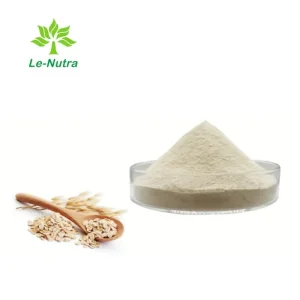
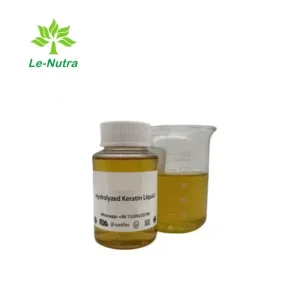
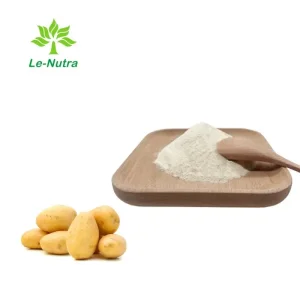
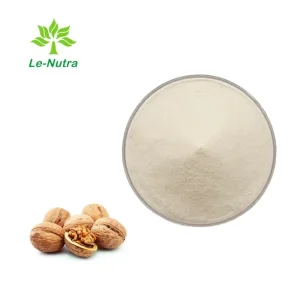
Whether formulating next-generation dermocosmetics in Wallonia or high-protein clean-label foods in Flanders, leverage our 14+ years of enzymatic hydrolysis expertise, 3,000 MT/year output, and complete regulatory testing support.
Typical reply within one business day (UTC+8).
[email protected] +86-29-86518603 Request a Catalog Contact us