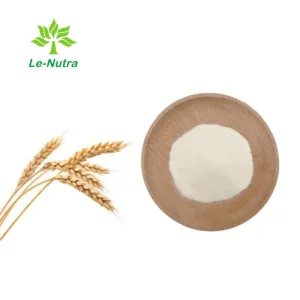
Featured Hydrolysate Formulations
High-Efficiency Hydrolyzed Proteins for Pakistan Market
Engineered via low-temperature enzymatic hydrolysis for superior solubility, optimal peptide chain distributions (500–2,500 Da), and verified Halal compliance for high-end personal care and nutritional industries.
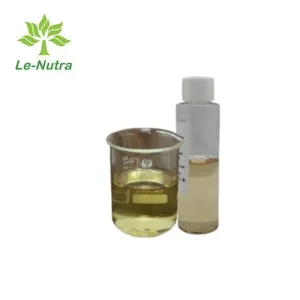
Premium Hydrolyzed Wheat Protein Liquid for Hair Conditioning
Explore Specification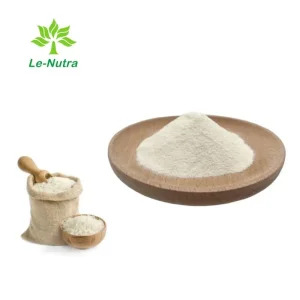
Natural Hydrolyzed Rice Protein for Hypoallergenic Formulas
Explore Specification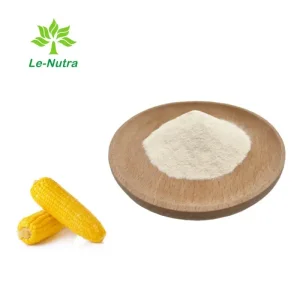
Vegan Hydrolyzed Corn Protein Powder for Botanical Shampoos
Explore Specification
Pakistani Industrial Landscape
Commercial Dynamics & Hydrolyzed Protein Ingestion across Pakistan
A comprehensive examination of industrial transition across Sindh, Punjab, and Khyber Pakhtunkhwa driving unprecedented demand for bio-cleaved protein derivatives.
1. The Industrial Renaissance of FMCG, Cosmeceuticals, and Nutraceuticals in Pakistan
Pakistan represents the fifth most populous nation globally, with a demographic curve where over 60% of the populace is under 30 years old. This demographic dividend has fostered a dramatic structural transformation in local consumer goods, cosmeceutical formulation, food processing, and specialized agriculture. In commercial epicenters such as Karachi (Korangi Industrial Area, SITE Industrial Area, Port Qasim), Lahore (Sundar Industrial Estate, Multan Road industrial zone), and Faisalabad, modern chemical manufacturing has shifted decisively from commoditized bulk imports toward high-precision functional actives.
The domestic personal care manufacturing sector in Pakistan has historically relied on simple cationic surfactants and basic silicones to impart conditioning effects in hair and skin formulations. However, extreme regional climatic variations—ranging from the high ambient humidity and marine salinity of coastal Sindh to the arid, high-UV conditions of Punjab and Khyber Pakhtunkhwa—have catalyzed acute consumer demand for intensive keratin restoration, deep cortical repair, and cellular hydration. Formulators now acknowledge that synthetic silicones simply create an occlusive film that causes heavy build-up in high-heat environments. Consequently, hydrolyzed wheat, pea, soy, and rice proteins with carefully tailored molecular weight profiles (500 to 2,000 Daltons) have emerged as the gold standard for substantive peptide penetration into damaged human hair shafts and epidermis.
Simultaneously, the Pakistani nutraceutical and therapeutic food industry, strictly monitored by the Drug Regulatory Authority of Pakistan (DRAP) under the Health and Over the Counter (HOTC) Division, is witnessing a monumental pivot. Clinical nutritionists and pediatric researchers in Islamabad and Lahore are demanding hypoallergenic, highly digestible hydrolyzed protein isolates to address clinical malnutrition, sports performance recovery, and geriatric sarcopenia. Intact native plant proteins exhibit long digestion lag phases, potential allergenicity, and insolubility at varying physiological pH levels. In contrast, enzymatically cleaved protein hydrolysates offer instantaneous bioavailability, rapid peptide transporter (PepT1) cellular absorption, and neutral organoleptic performance.
FMCG & Hair Care Evolution
Karachi and Lahore personal care factories are actively substituting synthetic smoothing agents with hydrolyzed wheat and keratin oligopeptides to satisfy growing anti-frizz, anti-breakage consumer claims.
DRAP & Nutraceutical Compliance
Pakistani supplement brands must satisfy strict microbiological, dissolution, and heavy metal specifications under DRAP directives, requiring verified batch Certificates of Analysis (COA) with high HPLC fidelity.
Agri-Feed & Industrial Tannery Shift
Poultry feed mills in Punjab and leather tanning clusters in Sialkot and Kasur increasingly leverage enzymatic protein hydrolysates to maximize early-stage chick survival and achieve chromium-free eco-leather finishing.
Technological Benchmarking
Global Trends: Enzymatic Biocatalysis vs. Acidic Hydrolysis
Why modern global formulators and discerning procurement executives in South Asia are strictly rejecting legacy hydrochloric acid decomposition in favor of targeted enzymatic endo/exo-peptidases.
Scientific Degradation of Amino Acids in Acidic Processes vs Precision Biocatalysis
In historical manufacturing environments, hydrolyzed vegetal proteins (HVP) were routinely manufactured by boiling defatted plant flour (such as wheat gluten or defatted soybean flakes) in 6M concentrated hydrochloric acid at elevated temperatures exceeding 105°C for 16 to 24 hours. While economically inexpensive, this brute-force chemical cleavage creates severe molecular repercussions: it completely incinerates essential amino acids such as L-tryptophan, converts glutamine and asparagine irreversibly into glutamic acid and aspartic acid with excessive ammonium salt generation, and generates carcinogenic chloropropanols—specifically 3-MCPD (3-monochloropropane-1,2-diol) and 1,3-DCP (1,3-dichloropropan-2-ol).
Global standards set by the European Food Safety Authority (EFSA), the US FDA, and the Pakistan Standards and Quality Control Authority (PSQCA) now strictly limit chloropropanols in industrial ingredients. Le-Nutra Ingredients utilizes advanced multi-enzyme bio-reactor technology. By selecting specific non-GMO microbial proteases (including endopeptidases that target internal peptide bonds and exopeptidases that systematically clip terminal residues), our production matrix achieves exact Degree of Hydrolysis (DH) control without generating trace chloropropanols, preserving crucial physiological amino acids intact.
| Analytical Parameter | Legacy Acid Hydrolysis (Chemical) | Le-Nutra Advanced Enzymatic Biocatalysis (China 4.0) | Formulatory Impact for Pakistani Brands |
|---|---|---|---|
| Amino Acid Preservation | Tryptophan destroyed; Cysteine & Methionine severely oxidized | Complete preservation of all 18 standard botanical amino acids | High bio-affinity, genuine cellular repair, non-degraded nutrition |
| By-Products & Toxins | Generates toxic 3-MCPD, 1,3-DCP, and excessive NaCl (up to 40%) | Zero 3-MCPD; negligible ash and salt content (<5.0%) | Full compliance with DRAP, PSQCA, and international safety audits |
| Molecular Weight Distribution | Erratic, uncalibrated fragmentation; massive polydispersity index | Tight Dalton distribution peaks (targeted at <1,000 Da or 1,500–2,500 Da) | Guaranteed biological permeability through hair cuticles and stratum corneum |
| Color, Odor, & Clarity | Dark brown to black, aggressive burnt/sulfur odor | Light ivory to pale yellow powder/liquid; virtually neutral scent | Effortless formulation into white cosmetic emulsions without masking agents |
| Halal & Religious Integrity | Frequent cross-contamination risks from non-specified raw materials | 100% plant-derived, dedicated vegetal/marine enzymatic facilities | Certified Halal by recognized international verification authorities |
Molecular Weight Tuning: The Dalton Spectrum (MW) Decoded
The efficacy of a hydrolyzed protein is strictly determined by its molecular weight profile, measured in Daltons (Da). A common failure among Pakistani procurement teams is sourcing generic "hydrolyzed wheat or silk protein" without identifying the precise Gel Permeation Chromatography (GPC) molecular weight distribution curves.
1. Ultra-Low Peptides (<1,000 Daltons): These oligopeptides possess an average chain length of 3 to 8 amino acids. Because their molecular dimensions are smaller than the interstitial micropores of human hair fibers (approximately 1 to 5 nanometers) and skin intercellular lipid matrices, these peptides exhibit true trans-cuticular penetration. They infiltrate into the deep hair cortex to reconstruct broken cystine disulfide linkages, providing measurable tensile elasticity after aggressive alkaline bleaching or chemical straightening—procedures highly prevalent in wedding and salon care across Pakistan.
2. Medium Molecular Hydrolysates (1,500 to 3,000 Daltons): Exhibiting superior amphiphilic qualities, these polypeptides position themselves at the interface between damaged keratin fibers and atmospheric moisture. In the fluctuating weather conditions of Punjab and Khyber Pakhtunkhwa, these fractions form non-tacky, breathable, hygroscopic colloidal films. They lock in natural moisture, prevent static charge build-up, and provide thermal protection against flat irons up to 230°C.
Industrial Vanguard
China Industry 4.0: Supply Chain Resilience & Le-Nutra Manufacturing Scale
How our automated 60,000 m² Xi'an biomanufacturing facility shields Pakistani manufacturers from international raw material volatility, inflation, and container delays.
Digital Bioreactors, Ceramic Ultrafiltration, and Closed-Loop Spray Drying
Xi'an Le-Nutra Ingredients Inc. operates from the historic center of China's botanical and active ingredient research corridors in Shaanxi. Over 14 years of focused engineering have culminated in an ultramodern 60,000 square meter industrial park. Equipped with 6 fully automated, SCADA-controlled multi-functional production lines, our extraction tanks and enzymatic cleavage reactors represent the cutting edge of biological manufacturing.
Unlike artisanal producers, Le-Nutra implements a fully continuous Industry 4.0 automation loop:
- Intelligent Temperature and pH Bioreactors: Enzymatic reactions are precisely governed by algorithmic enzyme dosers that monitor pH drift and temperature variations to within 0.1°C, ensuring uniform cleavage kinetics across multi-ton production batches.
- Multi-Stage Ceramic Membrane Ultrafiltration: Post-hydrolysis liquid broths undergo fractional separation through precise ceramic membrane stacks. This physical separation cleanly removes unreacted long-chain proteins, trace particulates, and thermal-denatured insolubles without requiring chemical precipitants.
- Low-Temperature Vacuum Evaporation and Cyclone Spray Drying: To protect heat-sensitive amino acids, concentration occurs under negative pressure at temperatures below 55°C. Rapid, microsecond cyclone drying yields micro-granulated powders that exhibit instantaneous wettability, zero clumping, and immediate water solubility in downstream Pakistani factory tanks.
Strategic Logistics: Direct CPEC and Maritime Corridors to Port Qasim & Karachi
In the wake of global maritime supply chain disruptions, currency exchange controls, and State Bank of Pakistan (SBP) Letter of Credit (LC) procedures, local Pakistani manufacturers cannot afford unpredictable delivery schedules. Situated at the inland multimodal logistics hub of Xi'an—the eastern origin of the Silk Road—Le-Nutra provides unprecedented bilateral freight options for Pakistani enterprises.
Our direct multimodal logistics framework leverages the China-Pakistan Economic Corridor (CPEC) land routes via Kashgar to Gilgit and Islamabad for rapid express delivery, alongside premier sea freight routes departing from Qingdao and Shanghai directly to Port Muhammad Bin Qasim and Karachi Port. With containerized sea transits averaging only 14 to 18 days, Pakistani formulators eliminate the crippling 45-day lead times and exorbitant freight premiums associated with European or North American ingredient vendors.
Field Formulations
Localized Application Blueprints for Pakistani Formulators
Targeted solutions engineered for domestic market realities—solving regional formulation challenges in personal care, nutraceutical tablets, poultry nutrition, and leather manufacturing.
Personal Care Formulations
Intensive Anti-Frizz & Sulfate-Free Hair Systems
The monsoon humidity in Karachi and Lahore triggers severe hair frizzing, swelling, and cuticle detachment. Formulating with Hydrolyzed Wheat Protein Liquid (MW 1,500 Da) and Hydrolyzed Pea Protein at 1.5% to 3.0% dosage restores internal cortical moisture while providing an external shield against environmental moisture uptake. These proteins maintain excellent compatibility with mild surfactants such as Sodium Cocoyl Isethionate (SCI) and CAPB, allowing local manufacturers to launch competitive, sulfate-free salon lines.
Nutraceutical & Infant Nutrition
Hypoallergenic Plant Nutrition & Sarcopenia Management
With an increasing incidence of dairy lactose intolerance and soy allergenicity in urban Pakistani populations, pediatric and geriatric nutritional brands are pivoting toward Hydrolyzed Rice Protein and Hydrolyzed Pea Protein Powder. Because enzymatic hydrolysis pre-cleaves large globular storage proteins into di- and tri-peptides, clinical nutrition drinks achieve near-instant gastric emptying without triggering osmotic diarrhea or immunogenic responses.
Poultry & Nursery Aquaculture
High-Bioavailability Starter Feeds in Punjab Farming Belts
Commercial broiler and layer producers in Rawalpindi, Faisalabad, and Multan experience significant mortality during the early 7-day brooding stage due to immature digestive enzymes. Incorporating spray-dried Hydrolyzed Soy and Corn Protein Powder into pre-starter feeds elevates feed conversion ratios (FCR), accelerates gut villi elongation, and reduces dependence on preventative in-feed antibiotics.
Leather Processing & Eco-Tanning
Chromium Exhaustion & Biopolishing in Sialkot Tanneries
Pakistan's export-oriented leather cluster in Sialkot faces rigorous zero-discharge and leather-standard audits from European fashion houses. Using technical-grade Hydrolyzed Keratin and Collagen Peptides during retanning acts as an eco-friendly biocarrier, dramatically increasing chromium oxide uptake, reducing effluent chemical oxygen demand (COD), and providing unmatched grain tightness and tensile resilience.
QA / QC Architecture
Audited Quality Assurance & Pakistan Regulatory Clearance
Eliminate import inspection roadblocks. Every consignment shipped from Le-Nutra is backed by exhaustive analytical documentation conforming to DRAP, PSQCA, and international pharmacopeial limits.
Batch Analytical Transparency
Every commercial batch is accompanied by an authentic Certificate of Analysis (COA) specifying exact dry matter protein content, Kjeldahl nitrogen (N × 6.25), ash content, moisture balance, and heavy metal screening (Pb, As, Cd, Hg < 0.1 ppm).
Stringent Microbial Validation
Produced under certified cleanroom parameters, Le-Nutra hydrolysates guarantee Total Plate Counts <1,000 CFU/g, Yeast & Mold <100 CFU/g, and verified non-detection of pathogenic E. coli, Salmonella, and Staphylococcus aureus in 25g testing lots.
Recognized Certifications
Facilities and extraction protocols are verified by ISO9001, ISO22000, EcoVadis Sustainability Ratings, cGMP, international Halal Certifications, and Kosher Audits, facilitating frictionless clearance through Pakistan Customs at Karachi ports.
Accelerate Your Formulation Launch Across Pakistan
Request comprehensive technical dossiers, batch COAs, safety data sheets (SDS), and pilot test samples directly to your R&D laboratory in Karachi, Lahore, or Faisalabad.
Send Inquiry Now
Complete Hydrolysate Catalog
Extended Bioactive Protein Ingredients for Pakistan Industries
Explore our specialized portfolio of botanical, grain, legume, and marine-derived peptide powders and liquids ready for immediate containerized export to Pakistan.
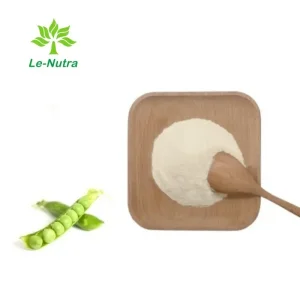
Hydrolyzed Pea Protein Powder for Hair Restoration Systems
Explore Specification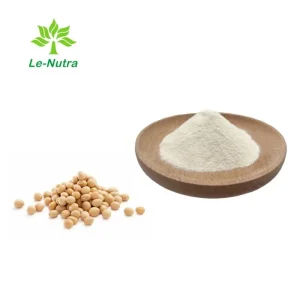
Cosmetic Grade Hydrolyzed Soy Protein Powder for Skincare
Explore Specification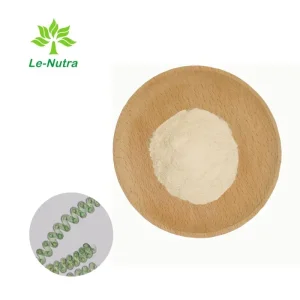
Hydrolyzed Spirulina Protein Powder for Skin Revitalization
Explore Specification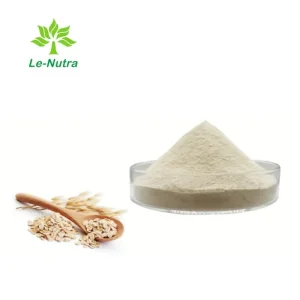
Natural Hydrolyzed Oat Protein for Sensitive Scalp & Hair
Explore Specification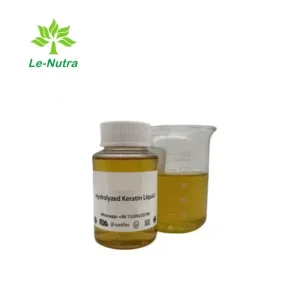
Bulk Hydrolyzed Keratin for Deep Cuticle & Skin Repair
Explore Specification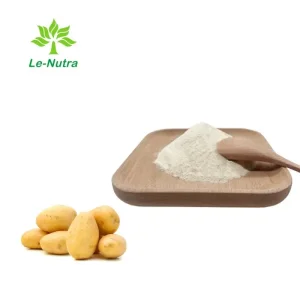
Cosmetic Grade Hydrolyzed Potato Protein for Film Hydration
Explore Specification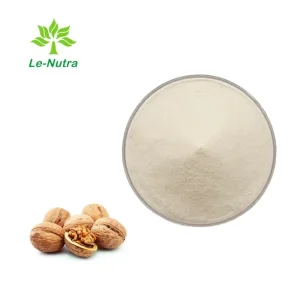
All-Natural Hydrolyzed Walnut Protein for Nutritive Serums
Explore Specification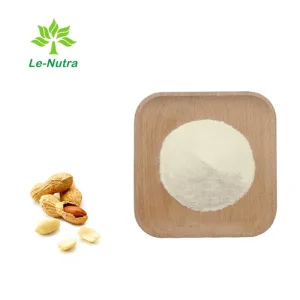
Premium Hydrolyzed Peanut Protein for Rich Body Emulsions
Explore Specification
Technical & Commercial FAQ
Frequently Asked Questions: Sourcing Hydrolyzed Proteins in Pakistan
Authoritative insights addressing procurement, regulatory clearances, letter of credit (LC) terms, and custom molecular weight customization for Pakistani technical buyers.
1. What specific regulatory and customs paperwork is provided for consignments entering Karachi ports?
Every shipment destined for Pakistan is provided with a full export dossier: detailed Commercial Invoice, Packing List, Clean On-Board Ocean Bill of Lading (or Air Waybill), batch Certificate of Analysis (COA) specifying test methods, Certificate of Origin (COO / Form FTA under the China-Pakistan Free Trade Agreement for preferential tariff concessions), non-GMO declaration, Halal certificate, and full Safety Data Sheet (SDS/MSDS in 16-section GHS format). This guarantees streamlined clearance via WebOC (Web Based One Customs) at Port Qasim and Karachi Port.
2. How does Le-Nutra ensure 100% Halal integrity across its hydrolyzed peptide production lines?
Halal compliance is fundamental to our manufacturing ethics. Our plant-based hydrolyzed proteins (wheat, pea, soy, corn, rice, oat) are derived exclusively from non-GMO botanical sources. The enzymatic cleavage agents utilized are pure microbial proteases produced through controlled fermentation—completely free of porcine or non-halal animal digestive enzymes like pepsin or trypsin. Dedicated production lines, rigorous CIP (Clean-In-Place) sanitation cycles, and recognized third-party Halal certifications guarantee zero cross-contamination risks.
3. What is the typical shelf life and storage stability of hydrolyzed protein powder in Pakistan's tropical climate?
Our spray-dried hydrolyzed powders possess a validated 24-month shelf life when stored in their original, unopened packaging. Given Pakistan's high relative humidity during the monsoon season (July to September), our products are packaged in pharmaceutical-grade, multi-layer moisture barrier bags: an inner food-grade polyethylene liner sealed hermetically inside an outer aluminum foil laminated kraft bag or fiber drum. This prevents hygroscopic moisture uptake, caking, and premature microbial proliferation.
4. Can Pakistani cosmetic and nutraceutical clients request customized Dalton molecular weight distributions?
Yes. Through our specialized R&D laboratory and multi-stage ceramic ultrafiltration membranes, we can adjust the Degree of Hydrolysis (DH) to deliver exact target molecular ranges. Whether your formulation requires an ultra-low oligopeptide profile (<1,000 Da) for deep follicular and cortical penetration in intensive hair masks, or a medium polypeptide profile (2,000–3,000 Da) for film-forming properties in protective leave-in conditioners, our team provides tailored technical batches verified by GPC/HPLC.
5. What payment terms and banking methods are supported for Pakistani importers?
We understand the foreign exchange regulations governed by the State Bank of Pakistan (SBP). Le-Nutra accommodates verified commercial modalities including Irrevocable Letters of Credit at Sight (L/C at sight) opened through top-tier Pakistani scheduled banks (such as HBL, MCB, UBL, Meezan Bank, and Standard Chartered), Telegraphic Transfers (T/T), and CAD (Cash Against Documents). We also support bilateral trade settlements utilizing Chinese Yuan (RMB) to mitigate US Dollar liquidity constraints.
6. What is the typical transit duration from your factory in Xi'an to Pakistani commercial destinations?
For standard sea freight (FCL and LCL), cargo dispatches from our factory via Qingdao or Shanghai port directly to Karachi Port or Port Qasim, with ocean transit requiring approximately 14 to 18 days. Total door-to-port timeline, including container loading and export documentation clearance, averages 22 to 26 days. For urgent pilot production, R&D bench tests, or critical production shortages, air freight via Xi'an (XIY) to Karachi (KHI), Lahore (LHE), or Islamabad (ISB) takes only 3 to 5 business days.
7. How do hydrolyzed wheat, pea, and rice proteins compare for sensitive, hypoallergenic applications?
While hydrolyzed wheat protein contains abundant glutamic acid and proline—delivering unrivaled cystine bonding for hair repair—it contains residual deamidated gluten sequences that certain gluten-sensitive consumers avoid. For certified gluten-free, hypoallergenic skin and hair cosmetics, Hydrolyzed Rice Protein and Hydrolyzed Pea Protein serve as superior alternatives. They deliver exceptional substantivity, zero gluten allergenicity, and a balanced amino acid footprint that promotes epidermal ceramide synthesis and scalp calm.
8. What are the minimum order quantities (MOQ) for commercial trial batches and customized OEM production?
To support both emerging local cosmetic laboratories and multinational contract manufacturers across Pakistan, our standard inventory MOQs start as low as 25 kg (single fiber drum/carton) for standard catalog products. For custom-tailored molecular weights, proprietary enzyme cleavage degrees, or private-label contract manufacturing batches, the typical commercial threshold is 500 kg to 1,000 kg. Complimentary 100g–500g testing samples are readily available for verified formulation laboratories.
Direct Factory Procurement & Technical Formulation Support
Partner directly with Xi'an Le-Nutra Ingredients Inc. to elevate your product performance, secure long-term price stability, and ensure uninterruptible ingredient pipelines throughout Pakistan.
Send Inquiry Now