High-Spec Cosmetic Actives & Plant Peptides
Lab-verified, HPLC-standardized ingredients calibrated for microbiome hydration serums, prebiotic barrier creams, and corrective dermatological lines.
ODM Pure Tranexamic Acid Powder Factory, Pricelist
View Specifications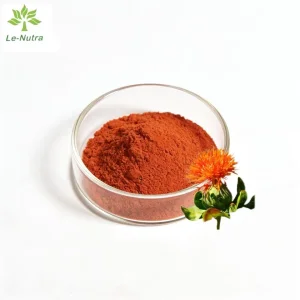
ODM Safflower Powder Supplier, Quotes
View Specifications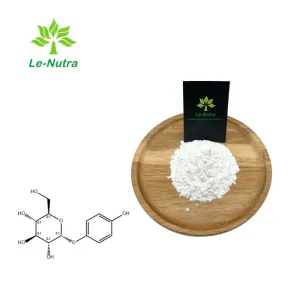
ODM Cosmetic Grade Alpha Arbutin Powder for Skin Whitening Suppliers, Supplier
View Specifications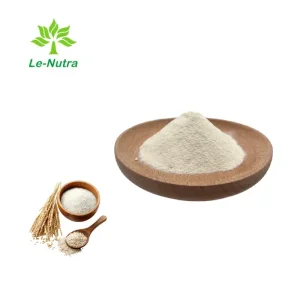
Wholesale Natural Vegan Hydrolysed Rice Protein For Hair&Skin Care Factories, Pricelist
View Specifications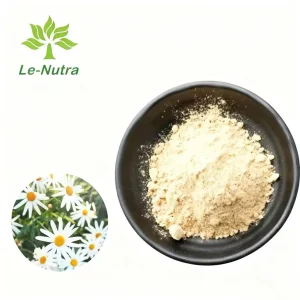
Wholesale Chamomile Extract Powder Manufacturers, Factory
View Specifications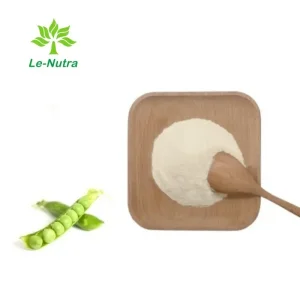
Buy Bulk Hydrolyzed Pea Protein Powder for Hair Repair Factories, Quotes
View Specifications
OEM Acetyl hexapeptide 1 Manufacturers, Exporters
View Specifications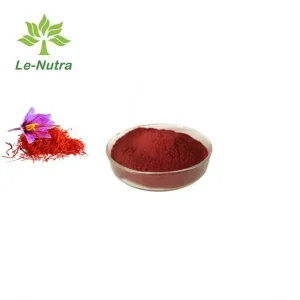
OEM Saffron extract powder Supplier, Manufacturers
View SpecificationsGlobal Commercial Status of Prebiotic Moisturizer Formulations
The paradigm shift from conventional inert occlusion to bio-selective commensal microbial nutrition in modern cosmetic chemistry.
The Cutaneous Microbiome Shift
Cosmetic dermatology has decisively transitioned from broad-spectrum sterilization to targeted microbial symbiosis. Formulation concepts popularized by clinical prebiotic lines—such as Aiken Prebiotic Hydra Plus—leverage Inulin, Alpha-Glucan Oligosaccharides, and Beta-Glucan to selectively nourish non-pathogenic commensals (notably Staphylococcus epidermidis). This reinforces antimicrobial peptide (AMP) production while suppressing virulent colonies of Cutibacterium acnes and Staphylococcus aureus without destabilizing the physiological lipid matrix.
Barrier Function & TEWL Mitigation
Prebiotic moisturizers do not function solely as metabolic substrates. When integrated with low-molecular peptides, hydrolysates, and cellular osmoprotectants, these substrates dramatically stimulate filaggrin expression and endogenous ceramide synthesis in the stratum corneum. Clinical trials demonstrate up to a 38% decrease in Trans-Epidermal Water Loss (TEWL) within 14 days of sustained topical application, proving indispensable for hyper-reactive, post-laser, or damaged cutaneous barriers.
Global Market Expansion Demands
Valued at over USD 890 million and expanding at a compound annual growth rate of 12.8%, the biotic skincare segment is seeing acute supply deficits for lab-standardized, endotoxin-depleted prebiotic raw ingredients. High-growth procurement is centered in the European Union (under rigorous ISO 16128 natural-origin compliance), North America (derma-grade clinical validation), and the humid ASEAN corridor where lightweight, water-gel prebiotic hydrators have surpassed heavy occlusive emulsions.
China's Manufacturing Efficiency & Supply Chain Resilience
High-density submerged fermentation, advanced membrane purification, and vertically integrated raw material economies.
Vertically Integrated Botanical & Fermentative Infrastructure
China's centralized biotechnology clusters—particularly located across the Shaanxi agricultural extraction zones—provide unmatched supply chain concentration. Our Xi'an extraction and biocatalysis infrastructure encompasses 60,000 m² of GMP-compliant facilities. By integrating raw botanical feedstock procurement (such as chicory root for natural inulin, chamomile for apigenin, and rice/pea biomass for enzymatic peptide hydrolysates), our factories cut upstream transit times by 65% and eliminate multi-tier distributor premiums.
High-Density Submerged Bioreactors & Continuous Separation
Through modern multi-stage bioreactors operating under automated distributed control systems (DCS), our manufacturing lines execute precision enzymatic hydrolysis and microbial fermentation at multi-ton batch capacities. Membrane nanofiltration, microfiltration, and vacuum low-temperature spray drying enable us to achieve oligosaccharide purities above 98.5% with near-zero thermal degradation of delicate bio-active markers, ensuring maximum solubility and stability in target emulsion bases.
| Evaluation Parameter | Western Contract Producers | Le-Nutra China Factory Facility | Technical Impact on Formulation |
|---|---|---|---|
| Enzymatic Hydrolysis Output | Batch limited (200-500 kg) | Continuous multi-tank (3,000 MT/year) | Guarantees uninterrupted mass-market retail supply chains. |
| Molecular Weight Precision | Broad distribution (1000 - 5000 Da) | Targeted cutoff (<1000 Da or <500 Da) | Enhanced stratum corneum delivery without sticky residue. |
| HPLC Marker Standardization | Often optional / added cost | Standard batch-by-batch testing (COA issued) | Flawless batch-to-batch organoleptic and biological reproducibility. |
| Lead Times for Bulk Export | 8 - 14 Weeks | 1 - 3 Weeks (from ready inventory) | Reduces customer warehouse carrying costs and inventory volatility. |
| Total Cost of Ownership (TCO) | Premium baseline pricing | Direct factory-gate bulk efficiency | Expands product margin for global distributors and brand owners. |
Localized Commercial Applications & Formulation Architectures
How Aiken-style prebiotic moisturizers and functional synergistic actives are engineered across global climate regimes.
Lightweight Gel-Creams (Humid Regions)
In Southeast Asia and tropical Latin America, consumers demand non-greasy, fast-absorbing barrier repair. Prebiotic matrices utilizing Hydrolyzed Rice Protein, Alpha-Glucan, and Chamomile Apigenin form crystal-clear water-break textures. These replenish microflora moisture reserves without clogging sebaceous ducts, combating humidity-induced sebum oxidation and inflammation.
Rich Barrier Balms (Arid & Temperate Zones)
Formulated for North American and European winter climates, prebiotic emulsions require lipid fortification. Incorporating Hydrolyzed Wheat Oligopeptides, Ectoine, and Safflower Fatty Acids creates a multi-lamellar biomimetic shield. This setup seals micro-fissures in dry, peeling skin, locking in bio-available prebiotic sugars that stimulate epidermal renewal under harsh environmental stress.
Post-Dermatological Corrective Serums
Following chemical peels, micro-needling, or retinoid therapy, the skin envelope is stripped of essential lipids and native microflora. Adding Tranexamic Acid, Blue Copper Peptides, and Allantoin alongside prebiotic oligosaccharides calms neuro-sensory redness, mitigates post-inflammatory hyperpigmentation (PIH), and re-establishes a defensive biological film within hours of clinical intervention.
Global Technological Horizons & Formulation Trends
The evolutionary trajectory of topical microbiome science towards synbiotics, metabolomics, and circular bio-extraction.
Synbiotic Formulations
Combining prebiotic oligosaccharide fibers directly with heat-stable postbiotic lysates (such as fermented Lactobacillus or Bifida ferment filtrates). This gives instant biological acid protection while delivering long-term nutritional support for indigenous skin flora.
Enzymatic Upcycling
Isolating high-performance prebiotic sugars and botanical peptides from agricultural side-streams (rice bran, pea starch wash-waters, and grain husks), satisfying consumer demand for zero-waste, carbon-conscious personal care formulas without compromising purity.
AI-Mapped Microbiome Actives
Utilizing machine learning to analyze genomic sequencing data of skin microbiota across diverse ethnicities, enabling custom synthesis of exact molecular-weight oligosaccharides that target specific commensal strains for personalized cosmetics.
Microbiome-Safe Preservative Systems
Modern clean-beauty formulations are pairing prebiotics with non-disruptive antimicrobial boosters (such as ethylhexylglycerin, glyceryl caprylate, and caprylhydroxamic acid) that protect formulations in the jar while remaining completely gentle on commensal skin flora.
Enterprise Sourcing Standards & QA Compliance
The technical dossier parameters essential for seamless qualification by multinational procurement and regulatory audit teams.
Analytical Verification (HPLC / GC-MS)
Every commercial batch is paired with full Certificate of Analysis (COA) documentation detailing quantitative marker assays (such as apigenin in chamomile, safranal in saffron, and pure active tranexamic acid percentage), ensuring precise active dosage compliance in your finished cosmetic batches.
Bio-Burden & Endotoxin Profiling
Because prebiotic sugars can serve as nutrients for environmental microbes during formulation, raw ingredients undergo specialized sterilization. Total viable aerobic count (TVC) is restricted to <100 CFU/g, with pathogens (Candida albicans, P. aeruginosa, S. aureus) certified totally absent.
Global Export Regulatory Clearance
Comprehensive English-language documentation is provided upfront: Safety Data Sheets (SDS), technical specification sheets, Non-GMO statements, BSE/TSE-free declarations, and Kosher/Halal certifications, facilitating swift passage through EU REACH and US FDA import clearances.
Need Custom Batch Testing or Pilot Samples?
Our analytical labs provide full COAs, HPLC chromatograms, and technical application guidance within 24 hours.
Functional Synergy Actives & Skin Repair Compounds
Complementary cosmetic raw materials engineered to formulate alongside Aiken-style prebiotic hydrators and barrier treatments.
Custom Hydroxypinacolone Retinoate HPR Manufacturers, Manufacturer
View Specifications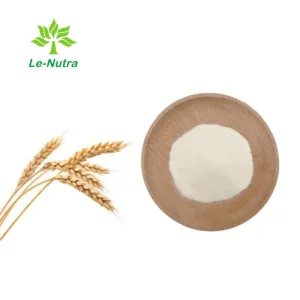
China Small Molecular Hydrolyzed Wheat Protein Powder for Hair Care Suppliers, Factory
View Specifications
Wholesale Neutral Protease Enzyme Serrapeptase Powder for Food Supplement Supplier, Exporters
View Specifications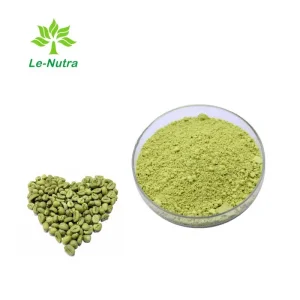
China China Wholesale Green Coffee Bean Extract Chlorogenic Acid Powder for Supplements Manufacturer, Quotes
View Specifications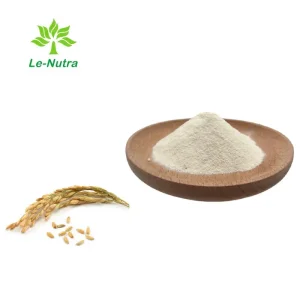
Custom Natural Wheat Oligopeptide Powder for Enhance Nutritional Value in Plant-Based Products Manufacturers, Factories
View Specifications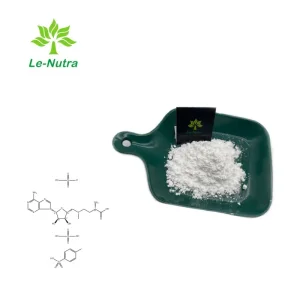
China Health Supplement Raw Material S-Adenosyl Methionine Powder for Support Mood Balance Factory, Exporter
View Specifications
Buy Acetyl Octapeptide-3 Powder Quotes, Pricelist
View Specifications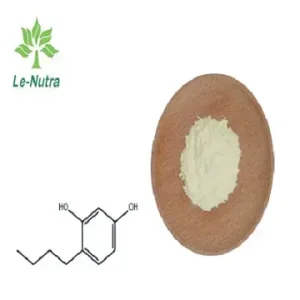
China Pure 4 Butylresorcinol Power Manufacturers, Manufacturer
View SpecificationsFrequently Asked Questions for Formulation & Procurement Teams
Expert insights regarding stability, preservation challenges, dosage, and regulatory qualifications for prebiotic raw materials.