High-Purity Protein Hydrolysates & Bioactive Compounds
Engineered for stability, high bio-availability, and verified by comprehensive analytical COA standards.
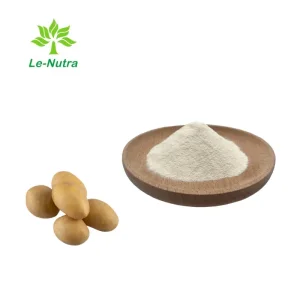
Hydrolyzed Protein Definition & Precision Molecular Architecture
A molecular breakdown of protein hydrolysis: moving from bulk native macromolecules to bio-functional oligopeptides.
Enzymatic Cleavage Chemistry
By using targeted endo- and exo-peptidases rather than aggressive acid hydrolysis, custom manufacturers selectively break amide bonds. This process yields strictly regulated Dalton distributions without degrading sensitive amino acids like tryptophan or cysteine.
Degree of Hydrolysis (DH%)
The core specification metric defining hydrolysate behavior. Controlled DH ranges (typically 8% to 32%) determine water solubility, emulsification capacity, osmolality, and cellular absorption kinetics in cosmetics and medical clinical nutrition.
Molecular Weight Calibration
Via advanced multi-stage tangential flow membrane filtration (UF/NF), our facilities isolate precise fraction bands: <1,000 Da (high dermal penetration), 1,000–3,000 Da (hair cuticle repair), or >5,000 Da (protective film formation).
| Hydrolysis Method | Typical Dalton Distribution | Salt Ash Content | Peptide Bioactivity Preservation | Primary Industrial Use-Case |
|---|---|---|---|---|
| Targeted Multi-Enzymatic | 500 – 2,500 Da (Narrow Cut) | < 3.0% (Desalted) | > 95% (High Conformation Retention) | Cosmeceuticals, Premium Peptides, Clinical Enteral |
| Controlled Mild Acid Hydrolysis | 1,000 – 10,000 Da (Broad Cut) | 8.0% – 16.0% (High Neutralization Ash) | Low (Extensive Racemization) | Flavor Enhancers (HVP), Agricultural Biostimulants |
| Alkaline Proteolysis | 2,000 – 8,000 Da (Variable) | 5.0% – 12.0% | Moderate (Degrades Lysinoalanine risk) | Industrial Adhesives, Technical Foaming Agents |
Commercial Dynamics Across International Markets
Analyzing procurement flows, regulatory compliance standards, and consumer demands across major trade corridors.
North America: Functional Clean-Label
Driven by hypo-allergenic infant nutrition, functional sports beverages, and medical recovery diets. Procurement directors strictly evaluate NDI, GRAS, and Non-GMO traceability verifications, mandating third-party heavy metal screening down to ppb thresholds.
European Union: Eco-Ethical Sourcing
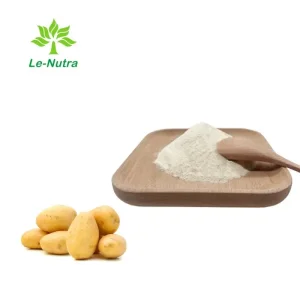
EU REACH compliance, ISO 16128 natural origin index, and stringent EFSA safety benchmarks dictate ingredient qualification. Massive movement away from animal collagen toward upcycled plant protein hydrolysates (potato, wheat, pea, oat).
APAC: Premium 'Skin-First' Formulations
Rapid expansion in China, Japan, and South Korea where hydrolyzed vegetal proteins and micro-molecular marine peptides lead high-efficacy "J-Beauty" and "K-Beauty" anti-aging, scalp rejuvenation, and ingestible nutricosmetic lines.
Why Tier-1 Brands Partner with Chinese Factories
Combining complete agro-botanical supply chain backward integration with hyper-efficient bioprocess engineering.
Raw Material Agro-Clustering
Direct geographic links to major raw agricultural regions (Shaanxi, Henan, Heilongjiang) allow direct botanical batch intake within hours of harvest, significantly reducing transit oxidation and locking in original amino acid profiles.
Full Regulatory File Readiness
Exporting to world-class corporations like BASF, DSM, and Abbott mandates strict documentation readiness. Every lot is supported by verified HPLC/UPLC testing, Kosher/Halal audits, EcoVadis ratings, and batch-traceable SDS dossiers.
Agile Custom Pilot-to-Tonnage Scaling
Equipped with 6 versatile industrial production lines featuring pilot-scale 500L reactors to high-capacity 10-ton continuous countercurrent extraction vessels. This setup shortens formulation lead-times from bench prototypes to container-scale batches.
Precision Applications Across High-Growth Sectors
Matching specific enzymatic peptide profiles to functional client requirements.
High-End Personal Care & Trichology
Hydrolyzed potato, pea, and wheat proteins restore tensile strength in chemically treated hair cuticles. Low-molecular weights (<1,500 Da) cross the stratum corneum, reinforcing dermal moisture barriers and binding free water.
Sports Nutrition & Performance
Hydrolyzed proteins accelerate gastrointestinal transit and muscle protein synthesis (MPS). Small peptides stimulate insulinotropic responses and reduce exercise-induced myofibrillar breakdown significantly faster than intact isolates.
Clinical Nutrition & Hypoallergenic Foods
High-DH enzymatic hydrolysates cleave immunogenic epitopes, delivering complete nitrogen support for hypoallergenic infant milk formulas, adult enteral feeding bags, and metabolic support regimes.
Emerging Technologies Shaping the Hydrolysate Sector
The next decade of industrial protein hydrolysis focuses on molecular targeting, sustainable side-stream reclamation, and bio-fermentation.
AI-Guided Proteolytic Cleavage
In-silico molecular docking models now map precise enzyme-substrate affinities, predicting optimal enzyme cocktails to release encrypted bio-active peptides (such as ACE-inhibitory or antioxidant sequences) with minimal bitter off-flavor production.
Circular Economy Side-Stream Valorization
Industrial starch manufacturers generate vast quantities of potato, rice, and corn pulps. Modern hydrolysis factories convert these agricultural co-products into functional, high-value cosmetic and nutraceutical proteins, aligning with corporate ESG metrics.
Precision Membrane Fractionation
Replacing traditional thermal drying with progressive nano-filtration cascades protects native secondary peptide structures, delivering un-denatured, instantly dispersible cold-water-soluble peptide powders.
Global Sourcing Criteria & Qualification Protocol
Essential checklist for VP Procurement and Quality Assurance directors evaluating industrial hydrolysate factories.
Chromatographic Fingerprinting
Ensure manufacturers verify Dalton distribution curves using GPC (Gel Permeation Chromatography) or SEC-HPLC rather than crude nitrogen calculation (Kjeldahl), guaranteeing batch consistency.
Residual Enzyme Clearance
Confirm rigorous thermal deactivation and filtration protocols are documented to prevent active residual proteases from destabilizing other actives in your finished emulsified cosmetic or beverage blends.
Environmental Contaminant Screens
Review independent laboratory testing for lead (<0.5 ppm), arsenic (<0.2 ppm), cadmium, mercury, microbiological pathogens, and pesticide residue profiles matching USP/EP pharmacopeias.
Supply Chain Redundancy
Verify commercial factory safety stocks, dual-port dispatch access (Qingdao/Shanghai), and clear multi-ton annual reservation contracts to safeguard against raw material price volatility.
Frequently Asked Questions: Hydrolyzed Protein Manufacturing
In-depth responses covering molecular customization, batch stability, analytical verification, and global qualification.
What precisely defines a custom hydrolyzed protein in contrast to standard isolates?
Native protein isolates consist of long, intact polypeptide chains with molecular weights often exceeding 50,000 to 200,000 Daltons. These can cause poor cold-water solubility, viscosity spikes, and potential allergenicity. A custom hydrolyzed protein has undergone precise enzymatic cleavage to break specific peptide bonds, resulting in tailored molecular weight distributions (typically between 500 Da and 5,000 Da). This process dramatically improves bio-availability, solubility across pH spectrums, and functional performance without denaturing beneficial amino acid profiles.
How does Xi'an Le-Nutra control molecular weight consistency between production lots?
Consistency is maintained through computerized bioreactor control (regulating temperature within ±0.5°C, pH via automated titrators, and precise enzyme-to-substrate ratios), followed by multi-stage cut-off ultrafiltration membranes. We audit every single production run using Size-Exclusion High-Performance Liquid Chromatography (SEC-HPLC) and Gel Permeation Chromatography (GPC) to confirm the exact target Dalton curve before lot release.
Can you tailor peptides to reduce typical bitter notes in dietary supplement formulas?
Yes. Bitterness in hydrolysates stems from the exposure of hydrophobic amino acids (such as leucine, phenylalanine, and valine) at the terminal ends of short peptides. Our R&D team uses proprietary debittering exo-peptidases combined with food-grade macroporous resin adsorption techniques that selectively cleave and bind bitter-tasting fractions, resulting in a neutral organoleptic profile suitable for clear functional RTD beverages.
What regulatory and quality dossiers accompany bulk export consignments?
Every commercial consignment includes a comprehensive batch Certificate of Analysis (COA) specifying assay, protein content, molecular distribution, moisture, ash, and microbiological metrics. We also supply complete SDS/MSDS, Non-GMO declarations, TSE/BSE-free statements, allergen statements, Kosher/Halal documentation, and INCI identification dossiers for personal care formulators.
What is your factory's standard production capacity and minimum lead time for custom grades?
Operating out of our 60,000 square meter facility in Xi'an with 6 multifunctional production lines, our annual capacity is approximately 3,000 metric tons. For catalog standardized items, dispatch occurs within 3 to 5 business days. Bespoke pilot R&D batches (custom DH or Dalton specs) are finalized within 2 to 3 weeks, while scale-up commercial orders are delivered in 4 to 6 weeks.
Advanced Bioactive Peptides & Nutritional Extracts
Targeted cosmeceutical and nutraceutical active ingredients for performance-driven formulations.