Featured Industrial Active Ingredients & Formulas
Documented bio-active components, standardized plant extracts, and specialized peptide matrix formulations optimized for joint, skin, and structural tissue synthesis.
-
 OEM Pyrroloquinoline Quinone Powder Supplier, ExportersView Details
-
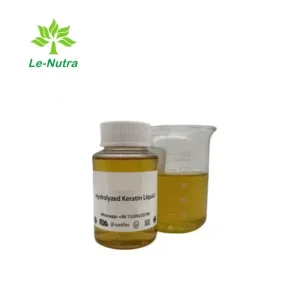 China Bulk Hydrolyzed Keratin for Promoting Healthy Hair & Skin Manufacturers, FactoryView Details
-
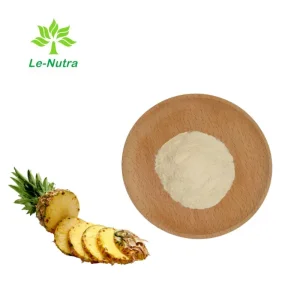 Wholesale Bulk Pure Bromelain Powder For Organic & Sustainable Sourcing Supplier, PricelistView Details
-
 Buy High Quality Isostearyl Isostearate for Cosmetics – Smooth & Hydrate Skin Manufacturers, ManufacturerView Details
-
 Wholesale Neutral Protease Enzyme Serrapeptase Powder for Food Supplement Supplier, ExportersView Details
-
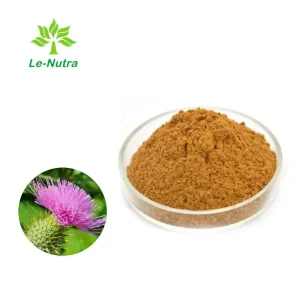 China All Natural Raw Material Pure Milk Thistle Extract Powder for Liver Healthcare Manufacturer, ExportersView Details
-
 OEM Acetyl hexapeptide 1 Manufacturers, ExportersView Details
-
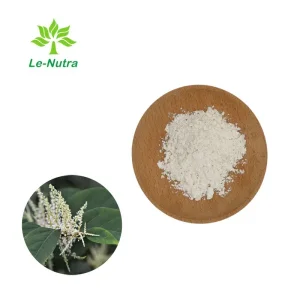 Custom Giant Knotweed Extract Resveratrol Powder for Supplement Quotes, PricelistView Details
1. Executive Overview: Biochemical Architecture of Bone Flesh Cartilage Formulas
Deconstructing the structural synergy of bioactive proteins, glycosaminoglycans, and micro-crystalline minerals in modern connective tissue therapeutics.
In the evolving landscape of functional nutraceuticals, joint care, and regenerative cosmeceuticals, the concept of the Bone Flesh Cartilage Formula represents a paradigm shift from mono-ingredient supplementation to full-spectrum extracellular matrix (ECM) restoration. Connective tissues—comprising bone mineral matrices, skeletal muscle fibers (flesh), and articular cartilage—depend on a highly coordinated supply of structural proteins, glycosaminoglycans (GAGs), trace minerals, and bio-enzymatic catalysts for repair and homeostasis.
Modern B2B formulators and industrial procurement officers no longer seek isolated chondroitin or basic collagen hydrolysates. Instead, the global market demands multi-target, synergistic formulas that mirror natural osteo-chondral architecture. A premium Bone Flesh Cartilage Formula integrates five primary biochemical pillars:
Hydrolyzed Type II Collagen Peptides
Provides low-molecular-weight (<1,000–3,000 Da) bioactive peptides (Gly-Pro-Hyp) that trigger chondrocyte signaling, stimulating endogenous collagen synthesis directly within the cartilage matrix.
Native Chondroitin Sulfate & GAGs
Retains fluid and osmotic tension in articular cartilage. Acts as a biochemical cushion while inhibiting matrix metalloproteinase enzymes (MMP-3 and MMP-13) responsible for tissue degradation.
Micro-Crystalline Hydroxyapatite (MCH)
Delivers bioavailable calcium and phosphorus in a natural 2:1 stoichiometric ratio, enriched with bone morphogenetic proteins (BMPs) and organic osseous tissue matrices.
2. Global Commercial & Industrial Market Landscape
Market size projections, regulatory dynamics, and shifting consumer demographics driving B2B wholesale demand across major geopolitical sectors.
The global market for structural health and joint-bone support ingredients was valued at approximately USD 11.4 Billion in 2023 and is projected to expand at a compound annual growth rate (CAGR) of 8.4% through 2032. This sustained expansion is fueled by three major macro-economic forces: an aging global population seeking mobility preservation, the exponential growth of active sports nutrition, and the rapid adoption of nutricosmetic "beauty-from-within" products targeting dermal density and muscle tone.
| Geographic Region | Primary Market Drivers | Key Regulatory Compliance Standards | Formulation Trends |
|---|---|---|---|
| North America | Active aging, preventative sports injury protocols, high pet supplement adoption. | US FDA cGMP (21 CFR 111), NDI Notifications, NSF Certified for Sport. | High-potency multi-ingredient powders, ready-to-drink (RTD) ECM shots. |
| European Union | EFSA health claims rigor, sustainable/traceable raw material preference. | EFSA Novel Food regulations, EU Animal By-Product Regulations (EC) 1069/2009. | Non-GMO, grass-fed bovine/marine origin, clean label caps. |
| Asia-Pacific | Rapidly aging demographics (Japan/China), expanding middle-class wellness spend. | China SAMR Blue Hat registration, Japan FFC (Foods with Function Claims). | Nutricosmetic jelly sticks, joint-skin dual-action powder blends. |
| Latin America & MEA | Rising healthcare costs driving preventative self-care; halal market requirements. | ANVISA (Brazil), SFDA Halal certification standards. | Affordable bulk capsules, high-dose collagen-chondroitin tablets. |
Industrial B2B procurement strategies have transitioned from spot-buying standard commodity powders to establishing contract manufacturing partnerships with verified original equipment manufacturers (OEM) and original design manufacturers (ODM). Enterprise buyers prioritize suppliers capable of delivering multi-component pre-blended premixes, drastically reducing internal inventory management complexity and formulation mixing errors.
3. China Manufacturing Efficiency & Supply Chain Dominance
Why leading global pharmaceutical, dietary supplement, and cosmetic brands rely on Chinese bio-refinery clusters for specialized peptide and extract production.
China has solidified its position as the world's primary manufacturing hub for natural active ingredients, hydrolyzed peptides, and specialized biochemical matrices. Facilities located in key biotech hubs such as Xi'an (Shaanxi Province) leverage unparalleled regional raw material access, integrated supply chains, and state-of-the-art enzymatic hydrolysis technology.
Vertical Industrial Integration
From animal cartilage and botanical raw material collection to industrial-scale enzymatic reactors, Chinese manufacturers eliminate intermediary markups, offering bulk raw materials at unmatched cost-to-potency ratios.
Advanced Processing Infrastructure
Facilities like Xi'an Le-Nutra operate 60,000 m² cGMP-certified campuses equipped with ceramic membrane filtration, continuous spray drying towers, and low-temperature molecular distillation lines.
Rigorous Quality Management
State-of-the-art analytical labs utilize High-Performance Liquid Chromatography (HPLC), Gel Permeation Chromatography (GPC), and ICP-MS for heavy metals to guarantee strict batch-to-batch consistency.
Furthermore, China's robust logistical infrastructure—spanning high-capacity container ports and direct international air freight logistics—enables rapid global dispatch. This ensures contract buyers receive fresh production batches with long shelf lives, complete with batch-specific Certificates of Analysis (COA) and complete technical dossiers.
4. Multi-Sector Commercial Application Scenarios
Engineering targeted Bone Flesh Cartilage formulations across diverse finished-product dosage forms and industrial categories.
Joint & Bone Health
Sustained-release tablets, hard gelatin/veggie capsules, and effervescent drinks for osteoarthritis relief and bone mineral density support.
Sports Nutrition
Post-workout recovery powders combining cartilage ECM peptides with BCAA and anti-inflammatory extracts (Bromelain, Resveratrol) for tendon repair.
Nutricosmetics
Dual skin-flesh matrix serums and oral collagen elixirs utilizing small-molecule peptides and Acetyl Hexapeptide-1 for dermal restructuring.
Geriatric Care
Fortified oral nutrition liquids and meal replacement shakes designed to prevent sarcopenia (muscle loss) and osteopenia in elderly populations.
Veterinary Health
High-potency canine and equine joint chewables engineered to preserve mobility and relieve cartilage stiffness in working and senior animals.
5. Future Industry Development Trends (2025–2035)
Emerging bio-technological innovations shaping the next decade of structural tissue supplementation.
As consumer awareness deepens and analytical bio-screening technologies advance, the market for Bone Flesh Cartilage ingredients is undergoing rapid innovation. B2B brands must align their product roadmaps with four major technological vectors:
Trend 1: Precision Enzymatic Hydrolysis & Targeted Molecular Weights
Traditional non-specific collagen hydrolysates are being replaced by bio-targeted peptide fractions. By controlling enzymatic cleavage parameters, manufacturers produce specific molecular weight distributions (e.g., 2.0 kDa for cartilage chondrocytes versus 0.5 kDa for dermal fibroblast receptors), drastically improving bioavailability and therapeutic efficacy at lower dosages.
Trend 2: Plant-Derived & Precision-Fermented ECM Synthon Alternatives
While bovine and marine sources continue to dominate total volume, ethical and vegan consumer segments are driving demand for plant-based and precision-fermented collagen mimics. By combining hydrolyzed grain/legume proteins (rice, pea, soy) with key amino acid builders (L-Proline, L-Glycine, L-Hydroxyproline) and plant-derived hyaluronic acid, manufacturers deliver high-performing vegan alternatives.
Trend 3: Synergistic Bio-Active Phytochemical Integration
Leading formulations no longer rely solely on animal-derived matrices. Integrating standardized botanical extracts—such as Milk Thistle Extract for metabolic liver support, Rosa Roxburghii for antioxidant protection, and Lemon Balm Rosmarinic Acid for cellular stress mitigation—creates multi-system functional formulas that protect newly synthesized tissue from oxidative degradation.
Trend 4: Clean-Label, Allergen-Free & Traceable Supply Chains
Global regulatory agencies and enterprise buyers demand full supply chain transparency. Modern manufacturing requirements mandate BSE/TSE-free certification, heavy metal testing below strict threshold limits (Lead < 0.1 ppm, Arsenic < 0.1 ppm), Non-GMO verification, and compliance with international environmental, social, and governance (ESG) standards.
6. Enterprise Sourcing & Quality Assurance Audit Matrix
A standardized supplier audit checklist for Quality Assurance (QA) and Procurement Officers evaluating bulk ingredient suppliers.
To mitigate supply chain vulnerability and ensure regulatory compliance, procurement teams should evaluate prospective OEM/ODM suppliers against five core criteria:
| Audit Parameter | Standard Technical Requirement | Verification Methodology |
|---|---|---|
| Chemical Purity & Assay | ≥ 90% Protein Content (Collagen); ≥ 95% Active Marker (Botanicals). | HPLC, GPC, Nitrogen Analyzer (Kjeldahl/Dumas method). |
| Heavy Metals & Contaminants | Pb < 0.5 ppm, As < 0.5 ppm, Cd < 0.1 ppm, Hg < 0.05 ppm. | Inductively Coupled Plasma Mass Spectrometry (ICP-MS). |
| Microbiological Limits | Total Plate Count < 1,000 CFU/g; Salmonella & E. coli: Negative. | USP <2021> / <2022> or European Pharmacopoeia 5.1.4. |
| Facility Certification | cGMP, ISO 22000, HACCP, Kosher, Halal compliance. | On-site physical facility audit / On-site video verification. |
| Documentation Package | Batch COA, SDS/MSDS, Technical Data Sheet (TDS), Allergen Statement. | QA Document Desk Review & Third-Party Lab Validation. |
7. Frequently Asked Questions (B2B Sourcing FAQ)
Direct technical and commercial answers for procurement managers, formulation chemists, and brand owners.
What is the optimal molecular weight for cartilage and joint collagen peptides?
How does China manufacturing compare with Western suppliers in terms of cost and quality?
Can Bone Flesh Cartilage Formulas be customized for specific dietary requirements (e.g., Halal, Kosher, Vegan)?
What documentation is included with bulk ingredient shipments?
What are the recommended storage conditions and shelf life for bulk formula powders?
What are the minimum order quantities (MOQ) and typical lead times for custom OEM production?
Additional Bio-Active Raw Materials & Extracts
Explore our complete catalog of specialized plant proteins, hydrolyzed marine collagen, and cosmetic active ingredients for OEM formulation.
-
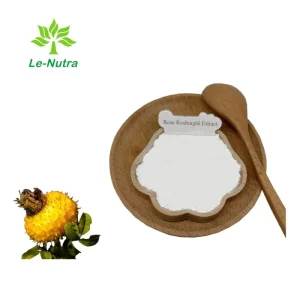 High-Quality Hot Sell Rosa Roxburghii Extract For Healthcare with Antioxidant Protection Supplier, FactoryView Details
-
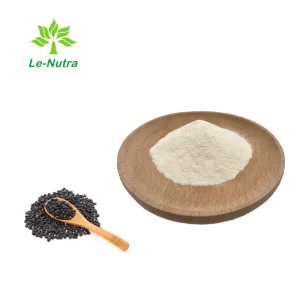 Wholesale Natural Hydrolyzed Black Bean Protein Powder for Dietary Supplement Suppliers, FactoriesView Details
-
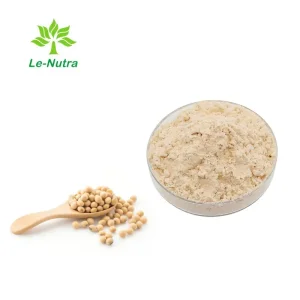 High-Quality Personalized Soy Isolate Protein Powder for Plant-Based Diets Factories, ExporterView Details
-
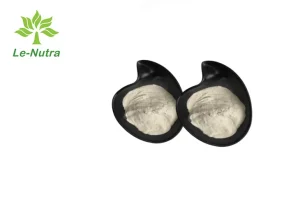 China Sea Cucumber Polypeptide Quotes, PricelistView Details
-
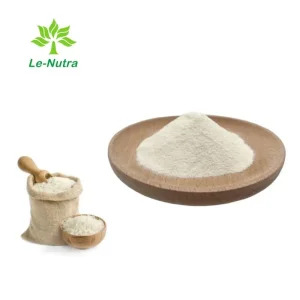 OEM China Natural Hydrolyzed Rice Protein Manufacturers Factory, ExportersView Details
-
 OEM Premium Neopentyl Glycol Diheptanoate for Cosmetics Beauty Products Manufacturers, FactoriesView Details
-
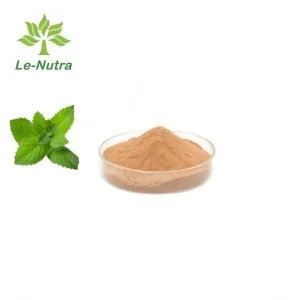 Buy Lemon Balm Rosmarinic Acid Supplier, ExportersView Details
-
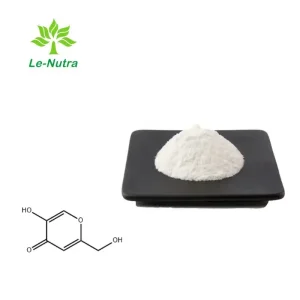 High-Quality Factory Supply Kojic Acid Powder for Skin Whitening Cosmetics Supplier, FactoryView Details