Primary Plant Protein Isolates: Immediate UAE Market Availability
Engineered for Gulf region thermal resilience, neutral sensory performance, and high dispersibility in dairy-free emulsions, meat analog extrusion, and dry-powder sports formulas.
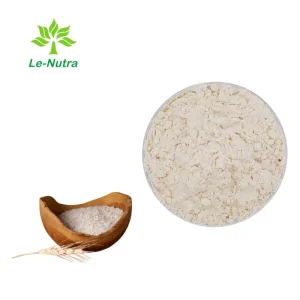
UAE Food-Grade OEM High Quality Rice Protein Powder for Vegan Nutrition Factory
View Product Quotes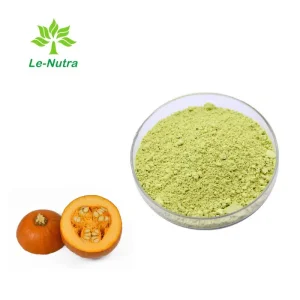
ODM High-Quality Vegan Pumpkin Seed Protein Powder for Health Supplements UAE
View Product Quotes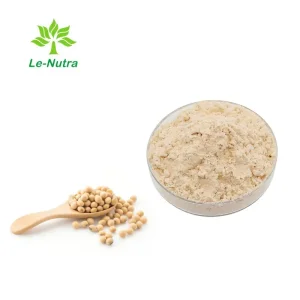
Personalized Soy Isolate Protein Powder for UAE Plant-Based Food Factories
View Product Quotes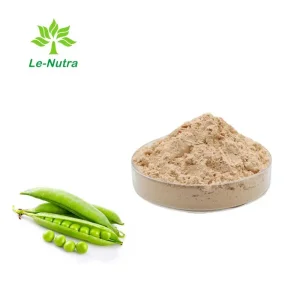
Pea Protein Powder for Sustainable Nutrition: Certified Halal for UAE Import
View Product QuotesThe United Arab Emirates Vegetal Protein Shift: Industrial Drivers & Food Security Mandates
The UAE is executing one of the most assertive industrial modernizations in the MENA region. Driven by the National Food Security Strategy 2051 and Operation 300bn (the UAE Ministry of Industry and Advanced Technology strategy), the nation is deliberately pivoting from pure re-export distribution to localized high-value manufacturing in food tech, functional nutrition, and therapeutic dietary solutions.
Free Zone Processing Hubs (DIC & KEZAD)
Dubai Industrial City (DIC) and Khalifa Economic Zones Abu Dhabi (KEZAD) have evolved into high-capacity culinary hubs. Processors importing raw protein isolates benefit from specialized cold-chain infrastructure, streamlined customs bonded warehousing, and rapid phytosanitary clearance protocols.
Demographic Demands: Expat Wellness & Halal Fit
Over 88% of the UAE's population comprises expatriates from Europe, South Asia, North America, and the wider Levant. This creates a multi-tiered consumption pattern: acute demand for dairy-free sports RTDs, high-purity meal replacement shakes, and functional vegan bakery items that preserve strict Halal authenticity.
Institutional Food Tech Capital Allocation
Sovereign wealth funds and regional ventures (such as Hub71 in Abu Dhabi and Dubai Silicon Oasis) are funneling extensive capital into alternative protein extrusion and precision fermentation. Securing pure, unadulterated vegetal isolates at fixed multi-quarter price schedules is vital for factory margins.
Indicative Vegetal Proteins Pricelist & Landed Cost Architecture (UAE CIF Jebel Ali / Khalifa)
International spot market rates for food-grade plant proteins are dictated by raw pulse harvests, enzymatic energy overheads, and container maritime freight. The index below represents typical contract price ranges per metric ton (MT) for full-container loads (FCL, 20GP/40HQ) delivered to UAE major ports.
| Ingredient Grade & Specification | Purity Assay | Functional Application | FOB China Port (USD/MT) | CIF Jebel Ali / Khalifa (USD/MT) | Standard Lead Time |
|---|---|---|---|---|---|
| Isolated Pea Protein (Emulsion Grade) | ≥85.0% (Dry basis) | Meat analogues, plant cheese, dairy alternatives | $2,850 – $3,300 | $3,050 – $3,520 | 14–21 Days |
| Hydrolyzed Pea Peptide Powder | ≥80.0% (MW < 1000Da) | Nutraceutical beverages, clinical diets, cosmetic actives | $4,200 – $4,800 | $4,420 – $5,050 | 18–25 Days |
| Soy Protein Isolate (Non-GMO) | ≥90.0% (NSI > 85%) | High-protein bars, nutritional powders, comminuted meats | $2,100 – $2,550 | $2,300 – $2,780 | 10–15 Days |
| Brown Rice Protein (Low Heavy Metal) | ≥80.0% (Ultra-fine 300 mesh) | Hypoallergenic sports nutrition, infant formula base | $2,600 – $3,100 | $2,800 – $3,320 | 14–20 Days |
| Cold-Pressed Pumpkin Seed Protein | ≥60.0% (Raw, Organic) | Superfood blends, keto snacks, seed milks | $3,400 – $3,950 | $3,620 – $4,200 | 15–22 Days |
| Clean-Label Fava Bean Protein | ≥85.0% (Beany note-free) | Egg-replacer, neutral foaming, gluten-free baking | $3,200 – $3,700 | $3,420 – $3,940 | 16–22 Days |
* Note: Prices reflect baseline metrics for volume commitments exceeding 10 Metric Tons. Spot orders subject to fluctuating ocean carrier surcharges and real-time enzyme formulation costs. Contact commercial sales for custom contractual locking.
China Factory 4.0: Modern Processing Purity, Scalability & Cost Efficiency
Procurement officers in the Gulf Cooperation Council (GCC) require uninterrupted supply predictability and uncompromised purity. China's Industry 4.0 vegetal protein processing facilities merge raw material proximity with automated physical and biological separation architectures, outperforming conventional wet-milling plants.
Low-Temperature Isoelectric Precipitation
By shifting away from harsh thermal processing to precision membrane microfiltration coupled with closed-loop isoelectric extraction, native protein conformation is preserved. This delivers superior Nitrogen Solubility Index (NSI > 85%) and preserves amino acid bioavailability without chemical denaturing.
Enzymatic De-flavoring & Volatile Stripping
One primary barrier to vegetal protein adoption in GCC food items is the persistence of beany off-notes (hexanal compounds). Advanced Factory 4.0 vacuum deodorization towers and target-specific exopeptidases neutralize bitter ketones and volatile aldehydes, yielding an ultra-clean, neutral organoleptic canvas.
Continuous In-Line Quality Control (NIR & ICP-MS)
Every processing run utilizes continuous real-time Near-Infrared (NIR) inline sensors for instant moisture, protein, and fat calibration. Fully automated ICP-MS testing verifies that arsenic, lead, cadmium, and mercury levels remain strictly below ESMA, GSO, and Codex Alimentarius thresholds.
Engineering Formulation Resilience for UAE Consumer Applications
Formulating plant-based consumer goods within the Gulf requires addressing distinct climate, shipping, and cultural parameters. Ingredients must retain textural and nutritional stability in hot supply chains and adapt to beloved regional formats.
1. Heat-Stable Vegan Dairy & Barista Milks
The UAE has seen an explosion of specialty coffee culture across Dubai and Abu Dhabi. Utilizing isolated pea and fava proteins allows local dairies to engineer oat, almond, and soy-blend barista milks that deliver velvety microfoam, resist feathering at pH 5.5 in acidic espressos, and remain shelf-stable through high-temperature transport.
2. Halal-Certified Extruded Meat Alternatives
Regional brands are reformulating shawarma, kofta, and burger patties with non-GMO soy isolates and texturized pea proteins (TVP). These grades deliver authentic fibrous bite, high water-holding capacity (1:4 ratio), and stable fat retention that mimics animal adipose tissue during high-heat commercial grilling.
3. High-Protein Flatbread & Bakery Fortification
Flatbreads, khubz, and pita are daily dietary staples across the Emirates. Blending neutral rice or pea protein isolates into domestic flour mills elevates protein density to 20%+ per serving without compromising gluten dough extensibility, oven spring, or traditional crumb elasticity.
UAE Regulatory Clearance Framework: MoIAT, Montaji & Halal Protocols
Importing vegetal proteins and active botanical raw materials into the UAE requires adherence to federal and municipal compliance structures. Bypassing port delays requires pre-shipment alignment with the following institutional processes:
1. ZAD & Montaji Registration
All edible raw materials destined for processing in Dubai must be registered on the Dubai Municipality Montaji portal. In Abu Dhabi and the Northern Emirates, verification connects through the unified ZAD federal platform, ensuring chemical assays and microbiological reports align with UAE.S GSO standards.
2. ESMA Halal Accreditation
Under UAE standard UAE.S 2055-1, plant-derived proteins must carry accredited Halal certification verifying that production facilities, enzymatic digestion agents, and filtration aids are entirely devoid of non-Halal animal adulterants or ethanol wash residues.
3. Shipping Documentation Pack
Every commercial consignment exported from China to Jebel Ali is accompanied by complete documentation: bilingual Certificate of Analysis (COA), Phytosanitary Certificate from China Customs (GACC), Certificate of Origin, Non-GMO verification, and full allergen declarations.
Specialty Plant Proteins, Natural Colorants & Bioactive Ingredients for UAE Blenders
Expanding formulation capabilities across clean-label nutrition, botanical supplements, natural beverages, and cosmeceutical personal care items in the Middle East.
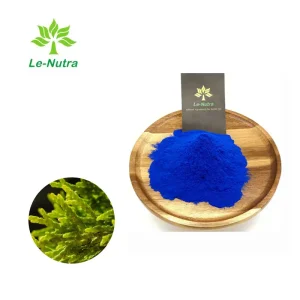
Natural Food Coloring Phycocyanin Powder for Enhanced Product Appeal UAE
View Product Quotes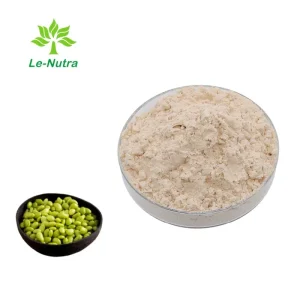
OEM Clean Label Fava Bean Protein Powder for Modern UAE Nutrition Manufacturers
View Product Pricelist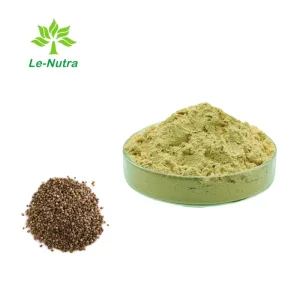
OEM Nutrient-Rich Hemp Seed Protein Powder for UAE Fitness & Muscle Recovery
View Product Quotes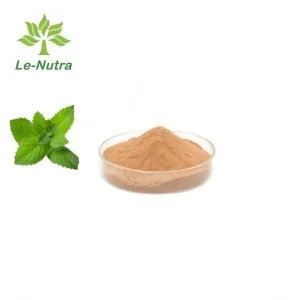
High-Purity Lemon Balm Rosmarinic Acid Extract for UAE Functional Wellness
View Product Quotes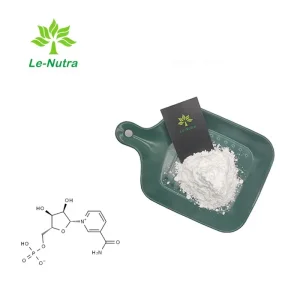
Wholesale NAD+ Precursor Beta Nicotinamide Mononucleotide NMN Powder UAE
View Product Pricelist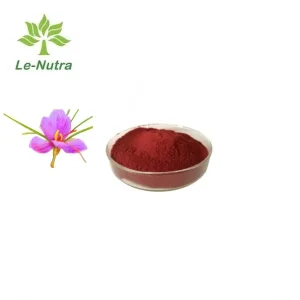
High-Quality Saffron Extract Safranal for Middle East Premium Formulations
View Product Quotes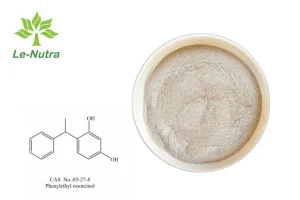
ODM 4-Alpha-Methylbenzyl Resorcinol Powder for UAE Dermacosmetics
View Product Quotes
Pure Natural Jojoba Oil for UAE Personal Care & Cosmetic Formulations
View Product QuotesFrequently Asked Questions: Vegetal Protein Procurement for the UAE Market
Direct technical clarifications for procurement directors, QA managers, and chemical engineers handling ingredient imports into the UAE.
How do China Factory 4.0 vegetal protein pricing structures compare against European and North American suppliers?
What specific Halal documentation accompanies vegetal protein consignments to Dubai and Abu Dhabi?
How is the sensory profile (beany note) managed for UAE functional beverage manufacturing?
What packaging and containerization options are standard for transit through the Gulf climate?
What are the typical sea transit transit times and customs clearance windows for UAE ports?
Lock In Your UAE Vegetal Protein Allocation
Request lot-specific Certificates of Analysis, technical formulation dossiers, and guaranteed CIF Jebel Ali / Khalifa pricing structures for your next manufacturing cycle.