Enterprise Vegetal Protein Solutions for Greece
Targeted pulse and cereal protein fractions refined through cold-membrane concentration and mild enzymatic extraction to supply Greece's evolving nutritional dairy alternative and functional beverage sectors.
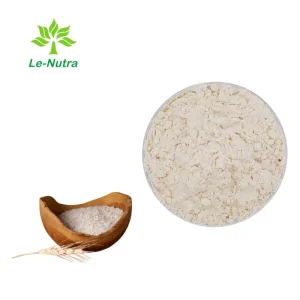
Rice Protein Powder for Greek Formulations
Hypoallergenic Oryza sativa protein with >80% protein content, low ash, and neutral flavor for Greek clinical and sports drink blending.
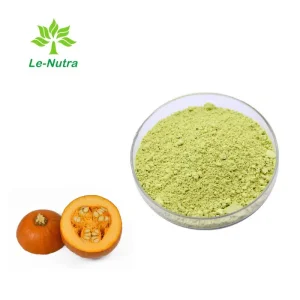
Pumpkin Seed Protein for Hellenic Foods
Nutrient-dense Cucurbita pepo protein powder rich in zinc, magnesium, and arginine, optimized for artisan Greek baked goods and cold-pressed bars.
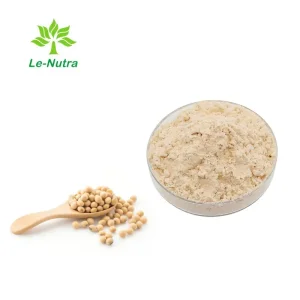
Soy Protein Isolate 90% for EU Standards
IP Non-GMO isolated soy protein offering rapid gelation, emulsification integrity, and structural reinforcement for Mediterranean plant meat lines.
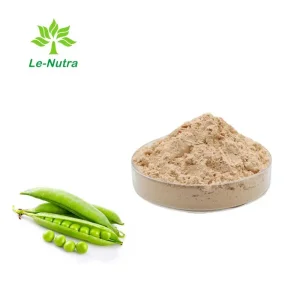
Pea Protein Isolate 85% for Greek Dairy Analogs
Yellow pea isolate with low beany off-notes, high dispersibility, and superior performance in vegan Greek feta and cultured yogurt production.
The Hellenic Plant Protein Landscape: Industrial Modernization
An in-depth analysis of processing capabilities, supply routes, and evolving consumer requirements driving vegetal protein consumption across the Hellenic Republic.
The Greek food processing and beverage sector represents one of the nation's most resilient industrial anchors, accounting for over 25% of domestic manufacturing turnover. Centered heavily across Attica, Central Macedonia around Thessaloniki, and Thessaly, Greek food enterprises have historically leveraged premium Mediterranean agricultural commodities. However, rapid shifts in international consumer behaviors, coupled with escalating EU climate compliance targets, have spurred a dramatic technical transformation across Greek manufacturing lines. Industrial players are transitioning from traditional dairy and olive oil processing toward advanced plant-based hybrid matrixes, driving unprecedented demand for verified, non-GMO vegetal protein raw materials.
Reinventing Greek Dairy Heritage: Vegan Feta & Plant-Based Yogurts
Greece holds protected designations of origin (PDO) for staple cheeses like Feta, yet the export market for vegan white brined cheeses has expanded by 34% year-over-year. Traditional processors in regions like Larissa and Epirus are investing heavily in extrusion and fermentation technologies that substitute bovine and ovine casein with high-purity pea (Pisum sativum) and fava bean (Vicia faba) protein isolates. Achieving the characteristic crumbly texture, brine equilibrium, and subtle tang of Hellenic cheeses requires protein isolates with highly controlled nitrogen solubility indexes (NSI >75%) and low oil-binding thresholds to prevent weeping in saline packing mediums.
Simultaneously, the global dominance of Greek strained yogurt has stimulated demand for high-protein, spoonable vegan yogurt analogs. Formulators in Athens and Patras utilize customized blends of hydrolyzed rice peptides and pulse proteins to achieve the characteristic thick, creamy mouthfeel without imparting bitterness, graininess, or chalky precipitates during thermophilic lactic acid fermentation.
Strategic Maritime Logistics: Piraeus Port Gateway
Piraeus serves as the paramount Southern European logistics hub connecting Asian manufacturing clusters directly to mainland European railway and highway networks. For industrial food operations situated along the Athens-Thessaloniki corridor (PAThE highway), standard containerized ocean transit times from Chinese export facilities to Piraeus offer optimal inventory velocity. Bulk 20-foot and 40-foot HQ container freight delivers unbroken cold-chain and ambient dry-bulk shipments directly into bonded customs terminals in Piraeus, facilitating rapid port clearance under the Greek Integrated Customs Information System (ICISnet) and prompt onward dispatch to local warehouses within 48 to 72 hours of vessel mooring.
EFET Regulatory Rigor
Strict oversight by the Hellenic Food Authority (EFET) mandates total compliance with European Food Safety Authority (EFSA) toxicological thresholds, complete heavy-metal tracing, and absence of chemical extraction solvents like hexane.
Clean-Label Demands
Greek and wider EU consumers demand ingredient lists devoid of E-numbers. Protein concentrates and isolates must deliver functional stabilization, water binding, and foaming capacity natively without synthetic binders or gums.
Allergen Decoupling
With soy categorized among the major 14 food allergens under EU Regulation 1169/2011, manufacturers throughout Greece are increasingly reformulating toward non-allergenic fava bean, rice, pumpkin seed, and pea protein matrices.
Global Enterprise Procurement Benchmarks
Quantitative technical thresholds governing raw material qualification for high-throughput European industrial food and nutraceutical applications.
Enterprise procurement departments within multi-national consumer packaged goods (CPG) firms and regional European contract manufacturers require standardized physical, chemical, and nutritional parameters before approving an ingredient supplier. In particular, the chemical amino acid profile and Digestible Indispensable Amino Acid Score (DIAAS) dictate the nutritional validity of the finished product label claims under European regulation.
The table below provides analytical target values across key vegetal protein isolate classes manufactured in our Xi'an processing facilities, tested using verified HPLC, Kjeldahl, and atomic absorption spectroscopy methods:
| Analytical Parameter | Pea Protein Isolate 85% | Rice Protein Powder 80% | Soy Protein Isolate 90% | Pumpkin Seed Protein 60% |
|---|---|---|---|---|
| Protein Content (Dry Basis, N×6.25) | ≥ 85.0% | ≥ 80.0% | ≥ 90.0% | ≥ 60.0% |
| Moisture Content | ≤ 8.0% | ≤ 7.0% | ≤ 7.0% | ≤ 8.0% |
| Ash Content | ≤ 6.0% | ≤ 5.0% | ≤ 5.5% | ≤ 7.5% |
| Fat Content | ≤ 4.0% | ≤ 4.5% | ≤ 1.0% | ≤ 12.0% |
| Nitrogen Solubility Index (NSI, pH 7.0) | 75% – 85% | 55% – 68% | 80% – 90% | 60% – 72% |
| Particle Size (Through 100 Mesh) | ≥ 98.0% | ≥ 99.0% | ≥ 99.0% | ≥ 95.0% |
| Lead (Pb) / Cadmium (Cd) | < 0.2 ppm / < 0.1 ppm | < 0.2 ppm / < 0.1 ppm | < 0.2 ppm / < 0.1 ppm | < 0.2 ppm / < 0.1 ppm |
| Arsenic (As) / Mercury (Hg) | < 0.1 ppm / < 0.02 ppm | < 0.1 ppm / < 0.02 ppm | < 0.1 ppm / < 0.02 ppm | < 0.1 ppm / < 0.02 ppm |
| Total Plate Count / Yeast & Mold | < 10,000 cfu/g / < 100 cfu/g | < 10,000 cfu/g / < 100 cfu/g | < 10,000 cfu/g / < 100 cfu/g | < 10,000 cfu/g / < 100 cfu/g |
| Allergenic Status (EU 1169/2011) | Allergen Free | Allergen Free | Contains Soy | Allergen Free |
Organoleptic Deodorization & Bitterness Elimination
One of the primary historical deterrents to broad-scale adoption of vegetal proteins in delicate Mediterranean matrices has been undesirable "beany" off-notes, principally caused by volatile aldehydes and lipid oxidation byproducts such as hexanal. Through advanced physical de-flavoring, low-temperature flash drying, and precisely controlled enzymatic incubation, our vegetal protein products display significantly mitigated sensory profiles. This enables Greek beverage brands to reduce sugar masking agents, eliminating artificial flavoring additives and retaining pristine clean-label profiles.
Formulation Engineering for Southern European Food Processors
Overcoming bio-rheological challenges in texturized plant meats, high-protein Mediterranean baked products, and clinical meal replacement shakes.
Complementary Pulse-Cereal Synergy
Pulses such as peas and fava beans are inherently abundant in lysine and leucine but limited in sulfur-containing methionine and cysteine. Conversely, cereal grains like Oryza sativa (rice) contain high methionine concentrations while exhibiting lower lysine levels. By implementing a standardized 70:30 Pea-to-Rice isolate formulation ratio, Greek formulators achieve a comprehensive PDCAAS (Protein Digestibility Corrected Amino Acid Score) of 1.0, directly matching the biological value of milk casein and bovine whey without any dairy-derived inputs.
High Moisture Extrusion (HMMA) Texturization
For Greek food technology labs replicating traditional souvlaki skewers and gyros using texturized vegetable proteins (TVP), fiber development is paramount. Our custom-milled soy isolates and pea proteins feature tailored molecular weight distributions that orient linearly inside twin-screw extruders operating at 130°C–160°C. This promotes natural disulfide bonding, establishing robust, shear-resistant parallel fiber strands that accurately mimic cooked muscle fibers while retaining up to 3.5× their dry weight in culinary marinades.
High-Protein Hellenic Bakery & Rusks
Enriching traditional Greek cereal staples (paximadia barley rusks, tsoureki brioche, and pita flatbreads) with native plant proteins typically impairs gluten matrix elasticity, resulting in dense crumb structures. By deploying micro-pulverized 200-mesh pumpkin seed and fava bean proteins, industrial bakeries in Attica preserve loaf volume, gas retention, and dough machinability while escalating finished product protein content to over 22g per serving for EU "High in Protein" packaging declarations.
Functional Beverages & Ready-to-Drink (RTD) Stability
Acidic fruit juices and UHT plant milks require vegetal proteins that maintain suspension stability across extreme pH gradients (pH 3.5 to 7.2) without sedimentation during shelf-life. Our enzymatic deamidation techniques uncoil globular proteins, exposing hydrophilic functional groups that prevent thermal aggregation during ultra-high temperature (138°C) sterilization cycles, ensuring smooth, chalk-free mouthfeel across 12-month ambient storage.
Technical Roadmap & Sustainable Manufacturing Outlook
Pioneering the next wave of green protein extraction, circular bio-refineries, and low-carbon ingredient manufacturing.
The global vegetal protein matrix is rapidly migrating beyond classical solvent precipitation toward next-generation biophysical fractionation. Xi'an Le-Nutra continues to allocate significant R&D resources into cold multi-stage ultrafiltration, reducing process water consumption by 42% and eliminating petrochemical solvents entirely from the extraction sequence. By maintaining lower thermal operating envelopes, native protein tertiary architectures remain intact, unlocking superior gelling capacities and natural bioactivity.
Precision Hydrolysis: Small Molecular Bioactive Peptides
Beyond macro-nutrition, European functional wellness markets are gravitating heavily toward bioactive peptides. Through enzymatic cleavage using food-grade endopeptidases and exopeptidases, long-chain plant proteins are fractionated into specific di- and tri-peptides (molecular weight <1,000 Daltons). These micro-peptides demonstrate clinical efficacy in modulating angiotensin-converting enzyme (ACE) inhibition for blood pressure equilibrium, delivering anti-inflammatory antioxidant protection, and providing rapid post-exercise muscular glycogen re-synthesis.
ESG Metrics & Scope 3 Decarbonization for Hellenic Importers
Under the EU Corporate Sustainability Due Diligence Directive (CSDDD) and CSRD reporting protocols, Greek food conglomerates must document greenhouse gas emissions within their Tier 1 raw material supply chains. Our production facilities deploy closed-loop co-generation systems, utilizing pulse processing husks and starches for thermal energy generation. Every commercial batch shipped to Greece is accompanied by verified Scope 1, 2, and 3 lifecycle greenhouse gas analysis (CO₂ equivalent per metric ton of pure protein), ensuring effortless ESG audit compliance for European corporate buyers.
Regulatory Assurances & Hellenic Commercial Logistics
Comprehensive documentation, rigorous third-party auditing, and uninterrupted multimodal shipping support for Greek industrial buyers.
Full Dossier Traceability
Every lot arrives with comprehensive batch-specific documentation: Certificate of Analysis (COA) issued via ISO 17025 accredited laboratories, multi-residue pesticide screens (>500 compounds), heavy metals, allergen validation, Non-GMO statements, and EU Safety Data Sheets (SDS) in English.
Rapid Sample Dispatch
Accelerating formulation timelines for Greek R&D teams. Complimentary 500g to 2kg evaluation samples with complete assay sheets are dispatched directly via air courier (DHL/FedEx) to Athens, Thessaloniki, or Heraklion within 48 hours of application review.
Flexible Incoterms (CIF/DDP)
Whether purchasing Full Container Loads (FCL) on CIF Piraeus / CIF Thessaloniki terms or requiring localized customs-cleared Delivered Duty Paid (DDP) handling straight into regional industrial estates, our shipping protocols ensure smooth customs clearance without demurrage risks.
Extended Bio-Active & Functional Portfolio
Complementary botanical isolates, clean-label natural pigments, sleep and metabolic active compounds designed to synergize with our core vegetal protein matrices.
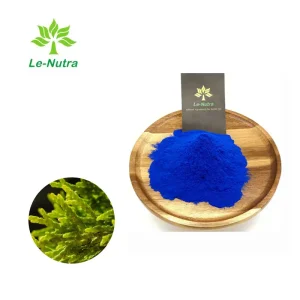
Phycocyanin Natural Blue Pigment
Spirulina-extracted natural blue protein colorant, non-synthetic, clean-label certified for plant-based sports beverages and confectionery.
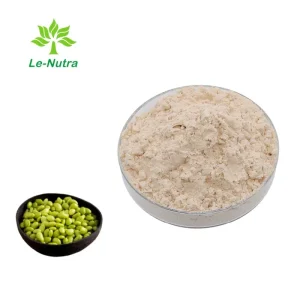
Clean-Label Fava Bean Protein 85%
Non-GMO Vicia faba protein fraction with superior whipping and emulsifying index, an exceptional plant-based egg white replacement for Greek baked goods.
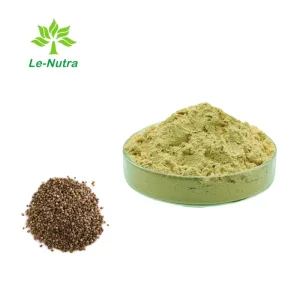
Nutrient-Rich Hemp Seed Protein
Cold-pressed Cannabis sativa seed protein packed with edestin, dietary fiber, and balanced Omega-3/6 lipids for Mediterranean gut wellness drinks.
Functional Indole-3-Carbinol (I3C)
High-purity cruciferous botanical active compound (>99% HPLC) supporting cellular health, estrogen metabolism, and specialized dietary formulations.
Fava Bean Protein for Vegan Cheeses
Optimized fava protein isolate engineered specifically for firm curding and moisture-binding in dairy-free white brined Greek block manufacturing.
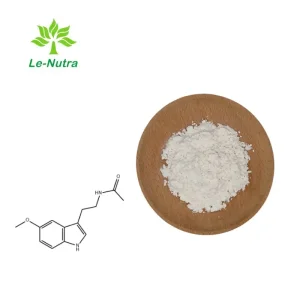
Pure Melatonin Powder 99% (Ph. Eur.)
Ultra-pure synthetic and plant-origin melatonin compliant with European pharmacopeial monographs for nocturnal recovery and circadian rhythm nutraceuticals.
Kojic Acid Dipalmitate (KAD) Powder
Lipid-soluble, chemically stabilized kojic acid derivative for cosmetic sun-care emulsions and brightening serums, resistant to oxidation and discoloration.
Protease Enzyme & Serrapeptase
High-potency proteolytic enzyme systems for bio-industrial plant protein hydrolysis, digestive aid supplements, and clinical systemic anti-inflammatory formulations.
Enterprise Sourcing & Compliance Inquiries
Direct answers addressing supply chain logistics, quality testing standards, minimum order thresholds, and Greek food authority regulations.