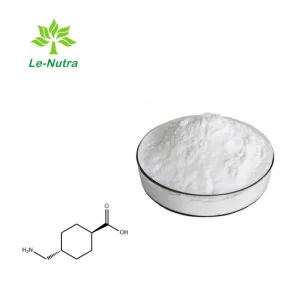
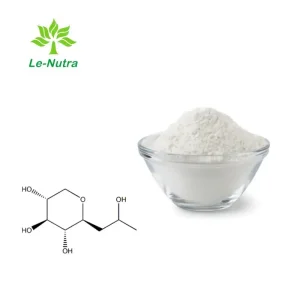
Custom Bulk Cosmetic Raw Material 1,2-Pentanediol / Pentylene Glycol for Nigeria Skin Care Formulations
- Synergistic preservative booster
- High tropical moisture-binding
- High-clarity aqueous compatibility
Lab-tested, heat-stable, and formulated specifically to withstand West African climatic storage challenges while delivering high efficacy for melanin-rich skin dermatological needs.
A macroeconomic evaluation of local value addition, regulatory modernization, and supply chain vulnerability in Sub-Saharan Africa's largest demographic consumer market.
Nigeria stands as the indisputable hub of beauty and personal care consumption in West Africa, boasting a domestic market that exceeds $1.4 billion USD annually with rapid double-digit compound growth. Driven by an urbanizing population in excess of 220 million people—characterized by an average median age under 19 years—the nation is experiencing an unprecedented structural transition. Historically reliant on finished imported cosmetics from Europe, North America, and East Asia, domestic economic imperatives, currency adjustments (Naira flotation), and industrial policies enacted by the Federal Government of Nigeria have compelled a historic pivot toward domestic contract manufacturing, OEM/ODM compounding, and local chemical processing.
Major manufacturing hubs located across the Ikeja and Agbara industrial clusters (Lagos/Ogun axis), alongside expanding hubs in Kano, Ibadan, and Aba, are moving beyond basic soap saponification into high-tier cosmeceuticals, advanced hair conditioning formulas for Type 4 afro-textured hair, and specialized photoprotection serums. However, domestic formulators face profound industrial headwinds: foreign exchange volatility, high freight demurrage at Apapa and Tin Can Island ports, and an unstable cold-chain infrastructure that causes standard cosmetic emulsion bases to break down during inland transit under high ambient temperatures (regularly surpassing 35°C with relative humidity above 85%).
Strategic Industry Reality: Nigerian manufacturers can no longer afford supply chain instability or sub-potent, unverified raw materials. Sustainable industrial profitability requires direct factory-to-factory partnerships with verified synthesis facilities offering verified certificates of analysis (COA), batch-level HPLC tracing, and thermal stabilization technologies adapted to tropical equatorial climates.
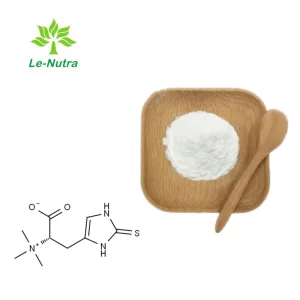
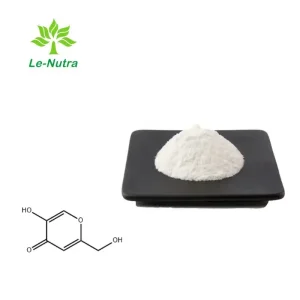
Furthermore, consumer dermatological literacy across Nigeria has undergone an evolutionary leap. Today's consumer base proactively rejects hazardous historical formulations containing hydroquinone, mercury salts, or undeclared clobetasol propionate corticosteroids. Instead, demand is skyrocketing for science-backed, non-irritating skin brightening actives such as Tranexamic Acid, Alpha-Arbutin, Kojic Acid derivatives, Mandelic Acid, and bioactive cellular repair agents like Ectoine and Ergothioneine. Cosmetic chemical factories supplying the Nigerian manufacturing sector must provide verifiable purity thresholds, free from carcinogenic heavy metal traces and microbial contaminants.

Resolving thermodynamic degradation, bacterial proliferation, and sensory occlusivity in hot, humid production and storage environments.
Tropical storage conditions in West Africa frequently induce phase separation and oil coalescence in standard O/W creams. Incorporating branched esters such as Isononyl Isononanoate and Neopentyl Glycol Diheptanoate maintains ultra-light skin feel while resisting oxidative rancidity and thermal thinning at temperatures up to 45°C.
High relative humidity accelerates bacterial and fungal bio-burden in finished products. Modern Nigerian brands rely on hurdle technology combining multi-functional glycols like 1,2-Pentanediol with organic chelators, lowering reliance on parabens and formaldehyde-releasers while minimizing trans-epidermal moisture loss (TEWL).
Melanin-rich Fitzpatrick skin phototypes IV–VI react aggressively to harsh keratolytic acids with rebound hyperpigmentation. Using high-molecular Mandelic Acid, Tranexamic Acid, and high-purity Pro-Xylane provides cellular repair and melanin interception without triggering inflammatory erythema.
Streamlining certification pathways, SONCAP audits, and raw material validation for seamless customs clearance and industrial manufacturing compliance.
The regulatory framework governing cosmetic manufacturing in Nigeria is overseen strictly by the National Agency for Food and Drug Administration and Control (NAFDAC) alongside standards set by the Standards Organisation of Nigeria (SON). For domestic chemical compounders and brand owners, sourcing imported chemical actives requires exhaustive documentation to prevent consignment seizure, hefty statutory fines, or product recalls. Every single active cosmetic ingredient supplied to Nigerian factories must have a traceable provenance chain.
Our raw material export protocols provide full documentation suites: Batch-specific Certificates of Analysis (COA) specifying assay by HPLC/GC, complete 16-section Safety Data Sheets (SDS) conforming to GHS Revision 8, Statements of BSE/TSE freedom, Heavy Metal limit certificates (<10ppm total, Lead <2ppm, Arsenic <1ppm, Mercury <0.1ppm), and microbial counts below 100 CFU/g.
Facilitating seamless pre-shipment verification through accredited testing partners (SGS, Intertek, Cotecna). We ensure Product Certificates (PC) and SONCAP Certificates (SC) are expedited without red-tape delays, protecting Nigerian importers from container demurrage penalties at maritime terminals in Apapa and Onne.
Beyond federal borders, Nigeria operates as the economic nucleus of the Economic Community of West African States (ECOWAS). Under the ECOWAS Trade Liberalization Scheme (ETLS) and the newer African Continental Free Trade Area (AfCFTA), personal care products manufactured locally in Nigeria can be exported duty-free to Ghana, Côte d'Ivoire, Senegal, Cameroon, and Benin. By sourcing high-purity, standardized cosmetic raw materials with rigorous origin documentation, Nigerian manufacturers gain preferential access across a combined regional trading zone of over 400 million consumers.
Advancing synthetic biology, biotechnological fermentation, and computational melanin research for next-generation African personal care solutions.
Moving away from petrochemically synthesized emollients to biosynthesized extremolytes like Ectoine and Ergothioneine via halophilic bacterial fermentation, offering unmatched cellular osmoprotection against high UV solar exposure across Northern Nigeria and the Sahel.
Complete replacement of cyclical siloxanes (D4, D5) with naturally derived, readily biodegradable ester matrices such as Neopentyl Glycol Diheptanoate and Isostearyl Isostearate, providing silicone-like slip and non-greasy cushion tailored for high-humidity urban climates.
Collaborative multi-omics modeling mapping the penetration kinetics of peptide chains and glycation inhibitors across African epidermal layers, optimizing active molecule delivery directly into deeper follicular roots without disrupting epidermal stratum corneum integrity.
Standardized chemical raw materials ready for bulk deployment across Nigerian personal care and cosmeceutical processing plants.
Direct technical answers addressing minimum order thresholds, NAFDAC clearance dossiers, heat resilience, and freight logistics into Lagos ports.
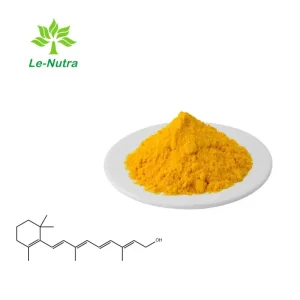
All sensitive bio-actives (including Vitamin A Retinol, Kojic Acid, and Ergothioneine) are hermetically vacuum-sealed in double-layer pharmaceutical-grade low-density polyethylene (LDPE) bags, enclosed in oxygen-barrier aluminum foil composite pouches containing food-grade desiccant, and housed in moisture-resistant fiber drums. For high-volume sea shipments, reefers or insulated thermal foil container liners are utilized to shield cargo from engine room heat and dockside direct radiation at Apapa and Onne ports.
Yes. Every batch dispatch includes a full regulatory packet formatted to satisfy NAFDAC's cosmetic registration and raw material clearing standards. This includes a verified Certificate of Analysis (COA) showing actual numeric assay values (not "Conforms"), ISO 22716/GMP certification of production lines, complete 16-section SDS, heavy metal breakdown (Lead, Arsenic, Mercury, Cadmium), residual solvent limits, and microbial burden limits under 100 CFU/g.
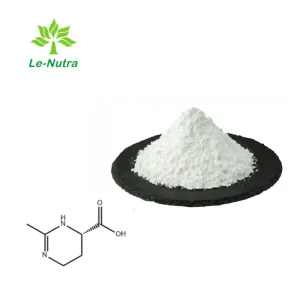
For high-value active powders like Ectoine, Tranexamic Acid, Mandelic Acid, and Pro-Xylane, MOQs start as low as 1 kg to 25 kg for formulation pilots via air express (Murtala Muhammed International Airport, LOS), with delivery timelines between 5 to 8 business days. For bulk liquid emollients and glycols (such as 1,2-Pentanediol, Isononyl Isononanoate, and D-Panthenol), standard packing is 25kg carboys or 200kg drums, with sea freight transit to Lagos ranging from 28 to 35 days.
Mandelic Acid features an aromatic ring structure that yields a significantly larger molecular weight (152.15 g/mol) than Glycolic Acid (76.05 g/mol). This larger molecular size enables it to penetrate the epidermis gradually and evenly without triggering the acute localized inflammatory cascades that induce Post-Inflammatory Hyperpigmentation (PIH) in Fitzpatrick phototypes IV through VI. Furthermore, its lipophilic character allows it to dissolve sebum in acne-prone skin, addressing both breakout control and gentle exfoliation under intense tropical sunlight.
Absolutely. Our application engineers work alongside client R&D teams across Lagos, Ibadan, and Kano to address common formulation hurdles: emulsion thinning at high storage temperatures, discoloration of Kojic Acid through metal chelation and photo-stabilization, and optimizing the HLB (Hydrophilic-Lipophilic Balance) of oil phases containing botanical extracts like Shea Butter when paired with lightweight esters like Neopentyl Glycol Diheptanoate.
Recognizing Central Bank of Nigeria (CBN) FX liquidity dynamics, we support flexible commercial settlement channels including confirmed Irrevocable Letters of Credit (L/C at sight) for multi-ton industrial consignments, Telegraphic Transfers (T/T via standard offshore corporate accounts in USD, EUR, and GBP), and cooperative offshore escrow facilities to help established manufacturers navigate FX allocations without halting production lines.
Partner directly with an established ingredients synthesis factory. Access verified batch COAs, technical dossiers, rapid sample clearance, and consistent multi-drum chemical supply.
Typical reply within one business day (UTC+8).
[email protected] +86-29-86518603 Request a Catalog Contact us