Featured Industrial Raw Material Portfolio
Direct supply from specialized extract facilities with validated Certificate of Analysis (COA) and global compliance documentation.
-
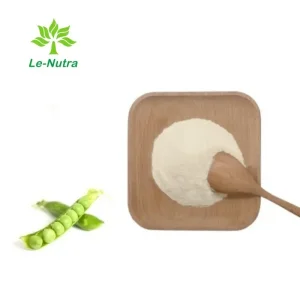
Buy Bulk Hydrolyzed Pea Protein Powder for Hair Repair Factories, Quotes
-
Wholesale High-Purity Pentadecanoic Acid Powder for Nutritional Applications Factories, Quotes
-
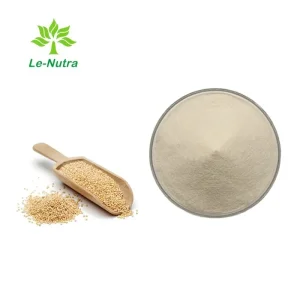
-
OEM OEM Vine Tea Extract Dihydromyricetin Powder in Natural Anti-Aging Products Suppliers, Supplier
-
Buy Versatile Isononyl Isononanoate for Enhanced Emollient Performance Exporter, Quotes
-
-
-
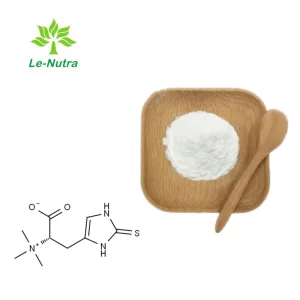
Custom High Concentration Ergothioneine Powder for Intensive Skin Repair Manufacturer, Factories
Industrial White Paper: Global Market Dynamics & Bioactive Potency
Analyzing the paradigm shift in metabolic health, botanical carbohydrate-management agents, and clean-label manufacturing science.
Metabolic Health Surge & Natural GLP-1 Synergists
The global market for metabolic regulation raw materials is experiencing unprecedented growth. Driven by expanding clinical research into postprandial blood glucose management and visceral fat reduction, enterprise formulators are actively seeking natural plant-based alternatives to synthetic pharmaceutical agents. Standardized Mulberry Leaf Extract Powder (Morus alba L.) has emerged as an industry-standard phytotherapeutic compound due to its high density of iminosugars, specifically 1-Deoxynojirimycin (1-DNJ).
As a competitive α-glucosidase inhibitor, 1-DNJ blocks the enzymatic hydrolysis of disaccharides into monosaccharides within the small intestine brush border. This unique biochemical pathway delays carbohydrate digestion, blunting postprandial glucose spikes without triggering insulin hypersecretion, making it an irreplaceable functional ingredient for blood sugar support formulas, anti-glycation cosmetics, and clinical nutrition powders.
Supply Chain Bottlenecks & Raw Material Standard Matrix
Despite rising commercial demand across North America, Europe, and Asia-Pacific, B2B procurement heads face persistent market vulnerabilities: severe batch-to-batch active ingredient variability, solvent residue contamination, excessive heavy metal concentrations, and adulteration with synthetic iminosugars. Achieving commercial efficacy requires strict adherence to standardized manufacturing protocols.
Leading Chinese extraction factories have revolutionized botanical processing through low-temperature counter-current extraction coupled with high-efficiency macroporous resin isolation. This advanced manufacturing framework guarantees consistent 1-DNJ content ranging from 1.0% to 10.0% assayed via HPLC-ELSD (High-Performance Liquid Chromatography with Evaporative Light Scattering Detection), eliminating synthetic spiking while meeting strict international monograph specs (USP, EP, and ChP).
Phytochemical Specification & Structural Analysis
Understanding the multi-target bioactive matrix of Morus alba L. leaves beyond standalone 1-DNJ.
1-Deoxynojirimycin (1-DNJ)
A polyhydroxylated piperidine alkaloid that structurally mimics D-glucose. It competitively binds to α-glucosidase enzymes (maltase, sucrase, lactase), significantly reducing postprandial glucose absorption into the bloodstream.
Flavonoids & Quercetin Glycosides
Rich in rutin, isoquercitrin, and astragalin. These powerful polyphenolic antioxidants neutralize reactive oxygen species (ROS), protect pancreatic beta-cells from oxidative stress, and enhance endothelial microcirculation.
Gamma-Aminobutyric Acid (GABA)
Naturally co-extracted neurotransmitter factor that promotes neuronal relaxation, supports blood pressure homeostasis, and counteracts stress-induced glucose surges mediated by cortisol elevation.
Standard Wholesale Product Grades & Technical Parameters
| Grade Name | Active Marker (Assay Method) | Appearance | Solubility | Key Applications |
|---|---|---|---|---|
| 1-DNJ 1.0% Water-Soluble | ≥1.0% 1-DNJ (HPLC-ELSD) | Fine Brownish-Yellow Powder | 100% Soluble in Water | Functional Beverages, Boba Milk Teas, Ready-to-Drink Shakes |
| 1-DNJ 2.0% Standard Grade | ≥2.0% 1-DNJ (HPLC-ELSD) | Light Brown Powder | Partially Soluble | Dietary Supplement Capsules, Tablets, Glucose Care Blends |
| 1-DNJ 5.0% Concentrated | ≥5.0% 1-DNJ (HPLC-ELSD) | Yellow-Brown Fine Powder | Good Water Solubility | High-Potency Nutraceuticals, Medical Food Formulations |
| 1-DNJ 10.0% Ultra-Purity | ≥10.0% 1-DNJ (HPLC-ELSD) | Off-White / Light Yellow Powder | Fully Water Soluble | Pharmaceutical Intermediates, Clinical Nutrition, Cosmetic Actives |
| Flavonoid Standard 5% | ≥5.0% Total Flavonoids (UV) | Greenish-Brown Powder | Dispersible | Anti-Aging Supplements, General Antioxidant Formulations |
China Factory Supply Chain Edge: Sourcing, Scale & Processing Technology
How state-of-the-art Chinese extraction facilities deliver unmatched quality-to-cost ratios for global B2B procurement buyers.
Upstream Agricultural Traceability
China holds over 70% of the world's commercial mulberry cultivation acreage. Leading extraction factories utilize GAP-certified (Good Agricultural Practices) plantations concentrated in Shaanxi, Zhejiang, and Sichuan provinces. Leaves are harvested at optimal physiological stages (autumn frost leaves contain peak alkaloid concentrations) and immediately cold-dried to preserve thermosensitive iminosugars.
Advanced Counter-Current Extraction
Utilizing closed-loop dynamic counter-current extraction tanks coupled with nanofiltration membrane concentration systems. This allows factories to extract 1-DNJ and flavonoids at low temperatures (45°C - 60°C), preventing thermal degradation, reducing energy consumption by 40%, and completely eliminating toxic organic solvent residues (100% aqueous extraction process option).
Cost Efficiency & Scalability
By integrating industrial-scale processing facilities capable of extracting tens of tons of raw botanical material daily, Chinese exporters offer superior pricing structures without compromising purity. High-volume procurement allows global enterprise customers to achieve substantial BOM (Bill of Materials) savings while securing stable multi-year supply contracts.
Localized Global Application Scenarios & Formulation Guide
How cross-industry product developers integrate Mulberry Leaf Extract Powder into commercial matrixes.
Postprandial Blood Glucose & Weight Management
Widely formulated into oral capsules, softgels, and multi-ingredient metabolic complexes. Mulberry leaf extract is frequently combined with Berberine HCl, Cinnamon Extract, and Chromium Picolinate to create synergistic, multi-target blood sugar regulation supplements aimed at pre-diabetic support and carb-blocking weight loss regimens.
Carb-Blocker Drinks, RTDs & Bakery Additives
With high-solubility 1-DNJ 1% and 2% grades, beverage manufacturers blend mulberry leaf powder into zero-sugar teas, boba toppings, protein shakes, and weight-management meal replacement powders. In bakery applications, heat-stable mulberry leaf powder is incorporated into high-carb bread, pasta, and noodles to reduce the overall Glycemic Index (GI) of finished goods.
Anti-Glycation & Skin Brightening Actives
Advanced skincare brands utilize 10% high-purity 1-DNJ extract for anti-glycation serums and brightening creams. Glycation causes skin collagen cross-linking and yellowing via Advanced Glycation End-products (AGEs). Mulberry leaf polyphenols inhibit tyrosinase activity and prevent protein glycation, helping restore skin elasticity and skin tone uniformity.
Global Regulatory Compliance & Localized Import Support
Navigating international regulatory frameworks with fully validated documentation and technical dossiers.
Comprehensive Technical & Quality Dossiers
Qualified enterprise exporters provide complete documentation packages required by global regulatory agencies (US FDA, EFSA, TGA, PMDA). Every production batch is delivered alongside:
- Certificate of Analysis (COA): Detailed HPLC finger-print testing for 1-DNJ and Flavonoid quantification.
- Safety Data Sheets (SDS / MSDS): Compliant with Globally Harmonized System (GHS) standards.
- Third-Party Test Reports: Eurofins / SGS certified multi-residue pesticide screening (<390 compounds), Heavy Metals (Pb, As, Cd, Hg via ICP-MS), and Microbiological limits (USP <2021/2022>).
- Non-GMO, BSE/TSE-Free & Allergen Declarations.
Localized Warehousing & Customs Clearance Facilitation
To eliminate international logistics headaches, primary Chinese manufacturers partner with localized warehousing networks across North America (LA, NJ) and Europe (Rotterdam, Hamburg). Key operational support includes:
- DDP (Delivered Duty Paid) Door-to-Door Logistics: Factory handles all export/import customs declarations, tariffs, and inland freight.
- Religious & Dietary Certifications: Kosher, Halal, ISO22000, and GMP certified lots for immediate regional compliance.
- Custom Mesh & Milling: Customizable powder particle sizes from standard 80 mesh up to 200 mesh micro-powders for direct encapsulation or beverage dissolution.
Industry Development Trends & Sourcing Outlook
Market forecasts, synthetic biology considerations, and clean-label evolution in botanical processing.
1. Clean-Label Water Extraction Movement
Global consumers are increasingly scrutinizing supplement labels for chemical solvents. The industry is rapidly shifting away from ethanol-only or ethyl acetate extraction toward 100% pure aqueous processing, guaranteeing zero VOC (Volatile Organic Compound) residues in final consumer products.
2. Synergistic GLP-1 Companion Formulations
With the widespread adoption of GLP-1 receptor agonist pharmaceuticals, brand owners are developing natural companion supplements to assist users during weaning phases or to prevent post-discontinuation weight rebound. Mulberry leaf extract acts as an ideal non-prescription carbohydrate-buffering co-ingredient.
3. Bio-Fermented Mulberry Extracts
Innovative manufacturers are pairing traditional extraction with probiotic fermentation techniques (e.g., Lactobacillus fermentation). This biotransformation process breaks down complex glycosides into smaller, highly bioavailable aglycones, boosting total polyphenol absorption by up to 35%.
Procurement FAQ: Q&A for B2B Sourcing Managers
Direct technical and commercial answers addressing common buyer inquiry vectors.
What is the standard testing method for 1-DNJ in Mulberry Leaf Extract Powder?
1-Deoxynojirimycin (1-DNJ) lacks a strong UV chromophore, making standard UV-Vis spectrophotometry inaccurate and prone to false high readings. Qualified factories quantify 1-DNJ strictly using High-Performance Liquid Chromatography paired with Evaporative Light Scattering Detection (HPLC-ELSD) or LC-MS/MS. Always request HPLC-ELSD chromatograms in your batch COA to ensure legitimate active quantification.
What is the typical Minimum Order Quantity (MOQ) and lead time for wholesale factory orders?
Standard factory packaging is 25 kg/fiber drum with an inner double-layer PE bag. Standard stock grades (1% and 2% 1-DNJ) usually have an MOQ of 25 kg with a 3–5 business day dispatch time. Custom specifications (e.g., customized mesh size, specific pesticide limits, or 10% high-purity grades) typically require an MOQ of 100 kg to 500 kg with a production lead time of 10–14 business days.
How does thermal processing affect Mulberry Leaf Extract stability in functional foods?
1-DNJ is an iminosugar alkaloid possessing exceptional thermal and pH stability compared to thermolabile vitamins or proteins. Studies demonstrate that 1-DNJ maintains over 95% potency under standard baking temperatures (up to 180°C for 20 minutes) and beverage pasteurization processes (HTST 85°C for 30 seconds), making it exceptionally suitable for functional gummies, baked snacks, and hot-fill beverages.
Are OEM/ODM custom formulation services supported by exporter facilities?
Yes. Top-tier Chinese exporter facilities offer full OEM/ODM manufacturing integration. This includes particle size modification (micronization down to 200 mesh), dry granulation for direct compression, premixing with synergistic ingredients (e.g., Gymnema Sylvestre, Bitter Melon), private labeling, and custom pre-packaged unit sachets or bottles for turnkey brand launches.
What compliance measures prevent heavy metal and pesticide contamination in finished lots?
Reputable factories perform rigorous raw material screening at GAP harvest sites. Post-extraction, lots undergo heavy metal removal via specialized ion-exchange columns. Final batch testing strictly enforces heavy metal limits aligned with EP and USP guidelines (Lead ≤ 3.0 ppm, Arsenic ≤ 2.0 ppm, Cadmium ≤ 1.0 ppm, Mercury ≤ 0.1 ppm). Pesticide multi-residue analysis complies with EU Regulation (EC) No 396/2005.
Complementary Plant Extracts & Active Ingredients
Explore our complete catalog of standardized botanical powders, plant peptides, and specialized nutritional actives.
-
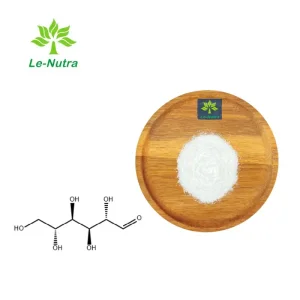
High-Quality Gentle D-Mannose Powder for Urinary Tract Health and Supplement Manufacturers, Exporter
-
-
-
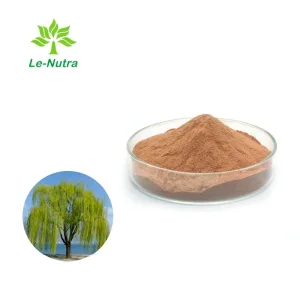
OEM High Quality Bulk White Willow Bark Extract Salicin Powder for Skin Manufacturers, Factories
-
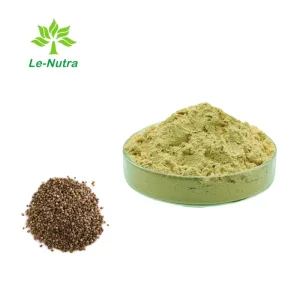
OEM Nutrient-Rich Hemp Seed Protein Powder for Muscle Recovery & Gut Health Exporter, Quotes
-
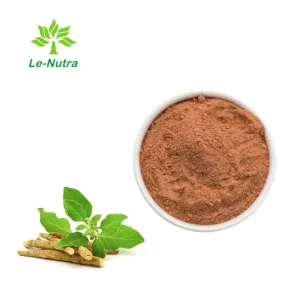
-
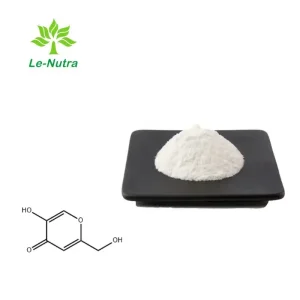
High-Quality Factory Supply Kojic Acid Powder for Skin Whitening Cosmetics Supplier, Factory
-
Wholesale Natural Hydrolyzed Black Bean Protein Powder for Dietary Supplement Suppliers, Factories