Active Ingredient Portfolio
High-Purity Bioactive Precursors & Functional Actives
Verified analytical assays, pharmaceutical-grade trace element coordination, and plant-derived cofactors designed for robust batch-to-batch homogeneity and accelerated dissolution.
60,000m²
GMP Infrastructure Xi'an
3,000t
Annual Granulation Capacity
40+
Global Tier-1 Pharma Destination
14+
Years Chemical Validation
Global Clinical & Commercial Scope
Sangobion Capsule Complex: The Gold Standard in Hematinic Delivery
A comprehensive clinical dissection of iron-deficiency anemia (IDA) remediation through multi-pathway co-factor synergy and advanced oral bioavailability engineering.
1. The Clinical Necessity of the Sangobion Synergistic Matrix
Iron Deficiency Anemia (IDA) afflicts over 1.62 billion people globally, remaining a pervasive clinical obstacle across developing and industrialized nations alike. While conventional mono-therapies utilizing crude ferrous sulfate deliver elementary elemental iron, they suffer from notorious therapeutic failure rates—primarily induced by poor gastrointestinal tolerability, oxidative enterocyte distress, severe nausea, and obstinate constipation. The Sangobion capsule architecture fundamentally diverges from primitive elemental iron delivery by presenting an intricately tuned physiological cascade designed around Ferrous Gluconate.
Ferrous Gluconate provides an organic chelation structure with elevated intestinal mucosal tolerability, significantly lowering unabsorbed free radical generation in the gut lumen. However, iron alone cannot sustain complete erythropoiesis. The Sangobion matrix incorporates catalytic co-factors: Copper Sulfate facilitates ceruloplasmin-mediated iron oxidation and mobilization from tissue stores into transferrin; Manganese Sulfate triggers mitochondrial superoxide dismutase (MnSOD) and key transferases vital for nucleated erythrocyte integrity; and Ascorbic Acid (Vitamin C) chemically maintains ingested iron in its bioavailable, reduced Fe2+ state across alkaline duodenal microenvironments.
2. DNA Synthesis & RBC Maturation
Uncontrolled iron accumulation without proper nucleated cell division produces pathological red blood cell morphology. The Sangobion system pairs precise doses of Folic Acid (Vitamin B9) and Cyanocobalamin (Vitamin B12) to preserve the methionine synthase-folate cycle. This prevents megaloblastic arrest, accelerates normoblastic bone marrow hyperplasia, and protects pregnant, geriatric, and chronically fatigued consumer segments from defective hematopoietic cycles.
3. Osmotic Regulation via Sorbitol
A classic limiting factor in patient compliance during oral hematinic regimens is heavy transit delay and hard stool formation. Sangobion formulas incorporate pharma-grade Sorbitol as an intrinsic osmotic laxative and stabilizing vehicle, promoting balanced intestinal peristalsis and mitigating metallic aftertaste without compromising nutrient permeation.
4. Global Commercial Realities & The Shift to Scaled Asian ODM
The global market for anti-anemic therapeutics and targeted hematinic supplements exceeded USD 3.8 billion in 2024, projected to expand at a compound annual growth rate (CAGR) of 6.8% through 2032. International brand license holders, major retail chains, and sovereign healthcare tender bodies increasingly face untenable manufacturing cost pressures within North American and Western European CDMO ecosystems. High synthetic raw material costs, regulatory fragmentation, and lengthy factory turnarounds have triggered a strategic migration toward integrated, high-capacity Chinese manufacturing powerhouses like Xi'an Le-Nutra Ingredients Inc. capable of delivering turnkey ODM/OEM Sangobion capsules with certified pharmaceutical-grade provenance.
Chemical Specifications & Quality Dockets
Standardized Sangobion API Composition Matrix
Engineered to exact compendial monographs (USP / Ph. Eur. / BP) with specialized crystal geometries designed for high-speed automated capsule filling.
| Active Ingredient | CAS Number | Functional Pharmacological Role | Standard Assay Target | Monograph Standard |
|---|---|---|---|---|
| Ferrous Gluconate Dihydrate | 299-29-6 | High-tolerability bioavailable Fe2+ core donor | 98.0% – 102.0% | USP / Ph. Eur. / FCC |
| Manganese Sulfate Monohydrate | 10034-96-5 | Enzymatic cofactor, mitochondrial MnSOD activation | ≥ 99.0% | USP / BP / Food Grade |
| Copper Sulfate Pentahydrate | 7758-99-8 | Mobilization of Fe reserves, ceruloplasmin cofactor | 99.0% – 101.0% | USP / Ph. Eur. |
| Ascorbic Acid (Vitamin C) | 50-81-7 | Direct Fe3+ to Fe2+ luminal chemical reductant | 99.5% – 100.5% | USP / Ph. Eur. |
| Folic Acid (Vitamin B9) | 59-30-3 | Purine / thymidylate nucleotide synthesis, erythropoiesis | 97.0% – 102.0% | USP / EP Micronized |
| Cyanocobalamin (Vitamin B12) | 68-19-9 | Megaloblastic prevention, myelin preservation | ≥ 98.5% (pure) / 1% trit. | USP / EP / Food Grade |
| D-Sorbitol Solution / Powder | 50-70-4 | Osmotic transit regularizer, metallic taste masking | ≥ 98.0% | USP / NF / EP |
Formulator's Technical Directive: Standard elemental iron formulations rapidly catalyze the Fenton Reaction in the presence of unbuffered moisture, degrading labile vitamins such as Folic Acid and Ascorbic Acid. Le-Nutra mitigates cross-ingredient oxidative rancidity via micro-fluidized bed spray coating and non-aqueous granulations, guaranteeing 36-month shelf-life stability in Zone IVB climatic zones.
Operational Superiority
Why Xi'an Le-Nutra Dominates China ODM/OEM Efficiency
Merging deep botanical extraction expertise with high-speed pharmaceutical synthetic granulation lines in an ultra-modern 60,000 m² cleanroom infrastructure.
Full Supply-Chain Integration
By producing our own chelates, micronized vitamin pre-mixes, and botanical actives within Shaanxi's central chemical-nutraceutical industrial corridor, we eliminate 3rd-party broker markup and protect production against raw mineral raw price shocks.
- Direct-from-source raw mineral synthesis
- Zero middleman margin leakage
- Guaranteed annual allocation reserves
Advanced Fluidized Granulation
Our 6 multifunctional production lines leverage top-spray Glatt fluid bed granulators. This achieves perfect content uniformity (RSD < 2.0%) even for micro-dosed Folic Acid and Cyanocobalamin down to 15 mcg targets without demixing during transport.
- Anti-segregation particle matching
- Aqueous & organic film coating systems
- Low-temperature drying for thermolabile actives
Total Analytical Defense & QA
Every commercial batch is accompanied by triple-verified chromatography (HPLC, ICP-MS for heavy metals down to ppb levels, and automated micro-identification) assuring swift qualification by demanding global audit bodies.
- ICP-MS Heavy Metal Testing (Pb, As, Cd, Hg)
- USP <61> / <62> Microbiological validation
- Fully auditable batch documentation packages
Market Adaptations & Innovations
Localized Applications & Emerging Formulation Vectors
Customizing regional compliance, bio-functional claims, and novel dosage forms for diverse consumer groups across 40+ export territories.
Southeast Asian & LatAm Maternal Protocols
In humid tropical zones, iron instability is rampant. Our ODM lines utilize low-permeability PVDC blister packaging coupled with HPMC vegetarian capsule shells, eliminating humidity-induced cross-linking and securing the vital gestation support required in high-prevalence anemia markets.
Plant-Based Vegan Hematinics
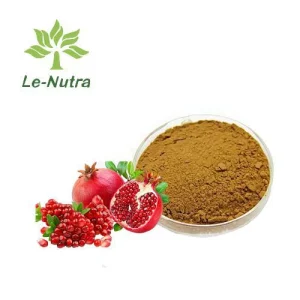
With plant-based consumers facing acute non-heme iron absorption ceilings, we formulate hybrid Sangobion configurations incorporating botanical bio-enhancers (such as standardized pomegranate peel extract and citrus polyphenols) to downregulate hepcidin activity naturally.
Geriatric Liquid & Chewable Alternatives
Swallowing difficulties in elderly post-operative populations necessitate flexible ODM formats. Le-Nutra supplies ready-to-fill micro-encapsulated Sangobion beadlets for rapid-suspension sachets and palatable dual-action liquid drops.
Athletic VO2 Max & Erythropoietic Recovery
High-altitude athletics and endurance performance brands increasingly procure clean-label Sangobion modifications fortified with botanical peptides and adaptogens to promote safe, legal, and rapid hemoglobin replenishment during training camps.
Controlled-Release Chronotherapy
By engineering specialized pH-dependent enteric coat polymers onto our dry granulated Sangobion cores, elemental iron release is delayed until past the acidic stomach environment, completely neutralizing gastric distress while optimizing jejunal absorption gates.
Corporate ESG & Sustainability Directives
Global procurement teams prioritize carbon-neutral production. Le-Nutra operates water-recycling closed-loop vacuum distillation and energy-efficient enzymatic reactors, earning prestigious EcoVadis corporate social responsibility standing.
Strategic Procurement Blueprint
How Global Enterprises Qualify Le-Nutra as an ODM Partner
A step-by-step risk mitigation guide tailored for Procurement Directors, Formulation Scientists, and Regulatory Affairs Executives.
Phase 1: Precision Pre-Formulation Matching
We review your localized regulatory requirements (e.g., maximum permitted daily elemental iron, folic acid limits by health authorities) and calibrate target dissolution profiles, bulk densities, and capsule shell matrices (Gelatin vs. Pullulan vs. HPMC).
Phase 2: Pilot Batching & Stress Testing
Prior to multi-ton commitments, our pilot lab issues 5–10 kg pilot lots alongside accelerated 40°C / 75% RH stability dossiers, moisture adsorption isotherms, and particle size distribution curves to satisfy client QA gatekeepers.
Phase 3: Turnkey Export & Custom Clearance
All commercial consignments are shipped with validated full-panel batch Certificates of Analysis (COA), safety data sheets (SDS/MSDS), Certificate of Free Sale (CFS), and legalization support for smooth border clearance globally.
Knowledge Base
Frequently Asked Technical & Commercial Questions
In-depth responses resolving typical formulator inquiries regarding elemental iron conversion, stability parameters, MOQs, and regulatory filings.
What is the exact elemental iron equivalent in your ODM Ferrous Gluconate?
Ferrous Gluconate dihydrate contains approximately 11.5% to 12.0% elemental iron by mass. When formulating standard 250 mg to 300 mg Sangobion-equivalent capsules, this provides approximately 30 mg to 36 mg of absorbable Fe2+, which falls well within therapeutic hematinic guidelines while avoiding the mucosal irritation caused by higher 65 mg elemental iron loads found in standard crude ferrous sulfate tablets.
How does Le-Nutra prevent Vitamin C from degrading during production?
Ascorbic acid oxidizes rapidly in the presence of trace moisture and heavy metals. We deploy a dual-barrier micro-encapsulation strategy: ferrous gluconate and the trace minerals (copper, manganese) undergo fluid-bed lipid or ethylcellulose barrier coating before being combined with ascorbic acid in a strictly humidity-controlled cleanroom (RH < 35%), preventing direct contact oxidation and safeguarding label claims.
Can you provide custom color-coded capsules and branded packaging?
Yes. We support custom gelatin or vegetable HPMC capsules matching the iconic Sangobion deep red / maroon aesthetic, or bespoke two-tone combinations with printed branding. Packaging choices span thermoformed PVC/PVDC or Alu-Alu cold-form blisters, high-density polyethylene (HDPE) pharmaceutical bottles, and secondary export carton master packaging.
What Minimum Order Quantities (MOQ) and production lead times apply?
For custom ODM capsule manufacturing runs, our baseline production run starts at 300,000 capsules. For raw granulated pre-mixes delivered in bulk drums, the MOQ is 500 kg. Standard re-order manufacturing cycles require 18 to 25 business days from final art and specification sign-off, bolstered by our dedicated 3,000-ton annual output facility.
Do your products comply with European (Ph. Eur.) and US (USP) heavy metal limits?
Without exception. Our facility operates under ISO9001, cGMP, and HACCP guidelines. Every incoming mineral salt and outgoing granulated premix is analyzed via Inductively Coupled Plasma Mass Spectrometry (ICP-MS) to confirm Lead < 0.5 ppm, Cadmium < 0.5 ppm, Arsenic < 1.0 ppm, and Mercury < 0.1 ppm, fully compliant with USP <2232> and EU Regulation (EC) 2023/915.
How does Sorbitol act as a functional processing aid during dry fills?
Beyond its clinical role as a stool-softening osmotic agent, pharmaceutical D-Sorbitol acts as an exceptional non-hygroscopic diluent and dry lubricant during high-speed encapsulation. Its specific crystal morphology ensures continuous die cavity flow without dusting, preventing capsule weight variability on machines operating at over 100,000 capsules per hour.
Expanded Catalog
Precision Peptides, Proteins & Cosmeceutical Actives
Explore Le-Nutra's full manufacturing capability—spanning small-molecule hydrolysates, clean vegetal proteins, and high-assay anti-aging actives exported to over 40 countries.