Featured Bioactive Peptides & High-Purity Raw Materials
Lab-verified active ingredients standardized for cellular absorption, physiological stability, and formulation compatibility.
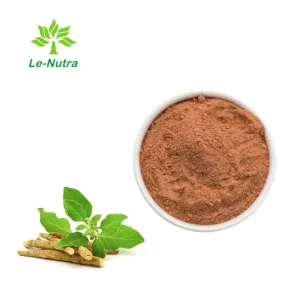
Small Molecule Active Peptides: The Next Frontier in Molecular Nutrition & Dermal Delivery
An in-depth analysis of structural bioactivity, enzymatic cleaving dynamics, cellular transport kinetics, and industrial-scale manufacturing benchmarks.
In contemporary biopharmaceutical formulation and advanced nutritional science, small molecule active peptides (defined strictly as low-molecular-weight oligopeptides consisting of 2 to 10 amino acid residues, typically below 1,000 Daltons) have emerged as primary functional drivers. Unlike native, macroscopic proteins that necessitate complex enzymatic breakdown within the gastrointestinal tract, or isolated free amino acids that compete for saturated transport mechanisms, small molecule active peptides are absorbed intact via the electrogenic peptide transporter 1 (PepT1) and human peptide transporter 2 (PepT2). This pathway demonstrates up to 70% higher kinetic bioavailability, minimal metabolic energy expenditure, and zero competitive saturation with basic or acidic amino acid carriers.
1. The Molecular Weight Paradigm: Why Dalton Thresholds Dictate Efficacy
The therapeutic and physiological functionality of bioactive peptides is intrinsically tied to their molecular weight distribution. Peptides exceeding 3,000 Daltons encounter significant steric hindrance, preventing rapid transcellular diffusion across mucosal epithelial barriers and limiting cellular membrane penetration in topical dermal systems. Conversely, Le-Nutra's directional enzymatic cleavage technology specifically targets molecular mass distributions wherein >85% of oligopeptides reside strictly between 180 and 800 Daltons.
At this threshold, dipeptides and tripeptides exhibit exceptional steric agility. In cosmeceutical matrixes, peptides such as Acetyl Hexapeptide-1, Myristoyl Pentapeptide-4, and synthetic Blue Copper Peptides (GHK-Cu, CAS 89030-95-5) easily traverse the stratum corneum through intracellular lipid pathways, activating TGF-beta pathways, stimulating neocollagenesis, and inhibiting acetylcholine release at the neuromuscular junction without requiring invasive micro-needling or cytotoxic solvent carriers.
| Peptide Classification | Molecular Weight Range | Primary Biological Mechanism | Solubility Profile | Kinetic Bioavailability |
|---|---|---|---|---|
| Ultra-Short Oligopeptides | 180 – 500 Da (Dipeptides / Tripeptides) | Direct PepT1 transport; cellular signaling & receptor docking | Complete, clear instantaneous dissolution in H₂O (pH 3.0–8.0) | Immediate mucosal absorption (>96%) |
| Low-Molecular Bioactive Peptides | 500 – 1,000 Da (Tetra- to Octapeptides) | Extracellular matrix stimulation, collagen cross-linking, free-radical neutralization | High solubility, stable across moderate thermal shifts | Rapid systemic uptake without gastrointestinal distress |
| Standard Polypeptide Hydrolysates | 1,000 – 3,000 Da | Nutritional bulk protein replenishment, sports glycogen synthesis | Moderate aqueous solubility, prone to suspension haziness | Requires luminal brush-border peptidase processing |
| Macromolecular Proteins | >10,000 Da (Native Isolate) | Fundamental dietary nitrogen supply | Variable depending on isoelectric point (pI); prone to precipitation | Slow, multihour proteolysis by pepsin/trypsin |
Global Procurement Criteria: Supplier Qualification & Risk Mitigation
How leading multi-national enterprises evaluate peptide manufacturers to secure uncompromised supply chains, regulatory audit pass-rates, and batch repeatability.
Chromatographic Batch Fingerprinting
Every shipment requires verified High-Performance Liquid Chromatography (HPLC) and Liquid Chromatography-Mass Spectrometry (LC-MS) molecular mass distribution curves to ensure 100% adherence to peptide sequence specifications without adulterants.
Trace Contaminant & Endotoxin Profiling
Strict limitation of heavy metals (Pb <0.5 ppm, As <0.5 ppm, Cd <0.1 ppm, Hg <0.05 ppm), total microbial counts <100 CFU/g, and verified bacterial endotoxin limits (<10 EU/g) suitable for medical-grade clinical nutrition products.
Multi-Tier Global Supply Chain Continuity
Operating a 60,000 m² cGMP extraction facility with 6 automated processing lines yielding 3,000 MT annually. Guaranteed dual-source raw material contracts ensure immunity to macroeconomic agricultural disruptions.
Macro-Industry Solutions: Formulating with Bioactive Peptides
Delivering precision ingredient engineering tailored to the stringent mechanical and biological needs of diverse consumer sectors.
Derma-Biotech & Cosmeceuticals
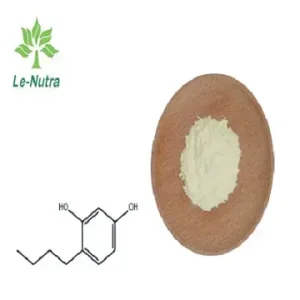
Formulating anti-wrinkle and barrier-repair topical emulsions using biomimetic signaling peptides (GHK-Cu, Acetyl Hexapeptide-1, Myristoyl Pentapeptide-4). Synergizes seamlessly with depigmenting actives like Glabridin Extract, 4-Butylresorcinol, and Kojic Acid Dipalmitate for clinical hyperpigmentation reversal.
Functional Food & Smart Nutrition
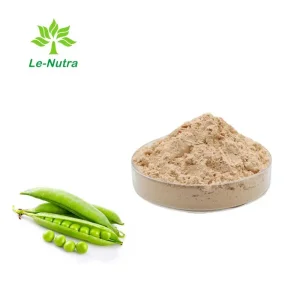
Addressing postprandial glycemic response, satiety regulation, and cardiovascular tension. Small molecule vegetable hydrolysates (pea, soy, wheat) and adaptogenic Ginseng Peptides integrate into RTD beverages, functional powders, and effervescent delivery systems with 100% optical clarity and heat tolerance.
Clinical Enteral & Sports Nutrition
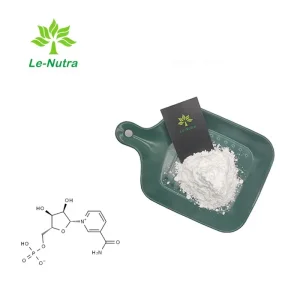
Accelerating myofibrillar protein synthesis (MPS) via rapid leucine-rich dipeptide delivery. Complemented by active metabolic co-factors such as Beta-Ecdysterone Powder, Beta Nicotinamide Mononucleotide (NMN), and S-Adenosyl Methionine (SAMe) to drive cellular ATP generation and post-exercise recovery.
Global Compliance Architecture & Five-Stage Production Workflow
Meeting strict cross-border regulatory demands with ISO, Kosher, Halal, and EcoVadis sustainability credentials.
Raw Material DNA Verification
Rigorous genomic and botanical identity testing prior to warehouse intake, eliminating species adulteration.
Bio-Enzymatic Cleaving
Multi-enzyme directional proteolysis with real-time temperature, pH, and enzyme-substrate ratio monitoring.
Ceramic Ultrafiltration
Multi-stage molecular cutoff filtration (<1000 Da / <500 Da) isolating specific bio-active sequence chains.
Flash Freeze/Spray Drying
Low-temperature vacuum dehydration to preserve active tertiary structures without thermal degradation.
Batch Release & Export
Comprehensive COA generation, full heavy metal panels, radiation screening, and certified global dispatch.
Global Regulatory Harmonization & Documentation Readiness
Navigating international market access requires deep compliance agility. Xi'an Le-Nutra maintains dedicated regulatory liaison teams in major commercial jurisdictions, ensuring seamless paperwork for:
- United States: 21 CFR Part 111 cGMP compliance, FDA Food Facility registration, NDIN (New Dietary Ingredient Notification) substantiation, and GRAS (Generally Recognized As Safe) dossiers.
- European Union: REACH chemical registration for cosmetic peptide actives, EFSA Novel Food dossier preparation, and non-animal origin certification.
- Global Halal & Kosher Certification: Stringent auditing across every plant-derived and synthetic peptide line, ensuring zero cross-contamination.
- Sustainability & ESG Benchmarks: Documented EcoVadis bronze/silver assessment verification for circular water conservation and green chemical processing.
Technology Roadmap: AI Molecular Modeling & Next-Gen Cleaving
How Le-Nutra integrates computational biology, synthetic enzyme design, and nanocarrier stabilization to lead the next decade of peptide research.
In-Silico Molecular Docking
Utilizing proprietary algorithmic modeling to simulate receptor binding affinity before executing physical synthesis, reducing R&D formulation cycles by over 60%.
Tailored Multi-Enzyme Complexes
Transitioning from generic single-protease hydrolysis to engineered multienzymatic reactors that cleave specific peptide bonds, yielding distinct di- and tripeptide sequences.
Nano-Liposomal Encapsulation
Protecting sensitive bioactive peptides against stomach acid, digestive proteases, and enzymatic skin surface oxidation, boosting transdermal retention by 4.2x.
Circular Green Bioprocessing
Zero-waste production infrastructure utilizing non-toxic enzymatic bio-refining, zero chlorinated solvents, and closed-loop heat recovery networks.
Specialized Cosmetic Actives & Pure Functional Extracts
Engineered cosmetic peptides, high-potency tyrosinase inhibitors, and certified organic plant protein isolates ready for global distribution.
Frequently Asked Questions (FAQ) for QA & Formulation Teams
Direct answers to the most common inquiries regarding peptide solubility, thermal stability, supply scale, and quality qualification.