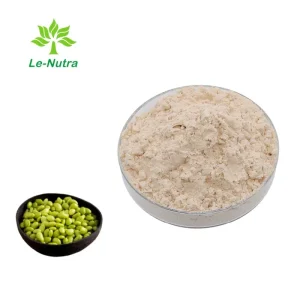
OEM Clean Label Fava Bean Protein Powder for Modern Nutrition Manufacturers, Pricelist
Explore molecularly cleated hydrolysates, targeted peptide fractions, and standardized actives processed under cGMP and ISO-certified pharmaceutical-grade standards.
OEM Clean Label Fava Bean Protein Powder for Modern Nutrition Manufacturers, Pricelist
OEM Daidzein Powder for Antioxidant and Anti-Aging Applications Suppliers, Pricelist
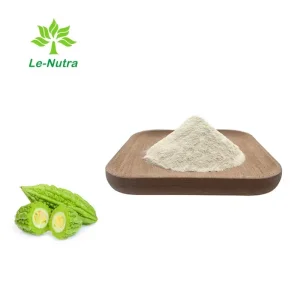
Buy Eco Friendly Hydrolyzed Bitter Melon Protein Powder for Hair Repair Manufacturers, Exporter
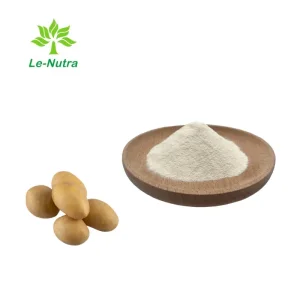
Custom Premium Hydrolysed Potato Protein Powder for Cosmetics Suppliers, Exporters
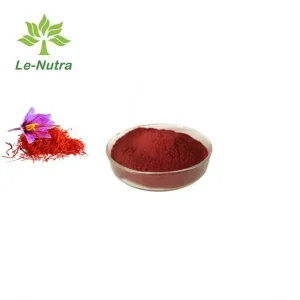
Custom Giant Knotweed Extract Resveratrol Powder for Supplement Quotes, Pricelist
A holistic technical appraisal of shifting supply paradigms, non-allergenic processing routes, and enzyme biocatalysis across North American, European, and Asia-Pacific production hubs.
Traditional native plant isolates often confront bio-accessibility thresholds governed by tertiary folding structures and phytate anti-nutritional binding complexes. Industrial high-pressure and enzymatic hydrolysis breaks down native macropolymers into bioactive di- and tri-peptides (typically below 1,000 to 3,000 Daltons), yielding significantly enhanced intestinal trans-epithelial transport rates through PEPT-1 transporters.
Consumer demand for clean-label plant protein products faces critical organoleptic challenges, specifically beany off-notes derived from lipid peroxidases. Advanced vacuum degassing combined with counter-current ultrafiltration ensures the eradication of volatile hexanal and 2-pentylfuran precursors without utilizing chemically aggressive solvent residues.
Driven by strict global labeling directives (such as EU Allergen Directives and US FALCPA), contract manufacturers are aggressively shifting from dairy and soy bases to clean-label fava bean, pea, and potato isolates. Controlled enzymatic cleavage effectively destroys allergenic epitopes, ensuring compatibility with clinical infant formula and hypoallergenic geriatric nutrition.
Direct chemical and functional parameters to assist formulation scientists, product development chemists, and procurement teams.
| Analytical Parameter | Standard Vegetal Isolate (e.g., Pea / Soy) | Bio-Engineered Hydrolyzed Protein (Peptide Fraction) | Formulation Impact & Advantage |
|---|---|---|---|
| Mean Molecular Mass | > 25,000 – 150,000 Daltons | < 500 – 3,000 Daltons (Controlled) | Rapid gastric emptying; immediate cellular assimilation. |
| Aqueous Solubility (pH 3.0 - 7.5) | 45% – 70% (Subject to isoelectric precipitation) | > 98.5% (High clarity, zero precipitation) | Perfect for clear ready-to-drink (RTD) beverages and cosmetic serums. |
| Degree of Hydrolysis (DH) | < 2% (Native conformation) | 12% – 28% (Tailored biocatalytic termination) | Eliminates foaming instability and minimizes viscosity build-up. |
| Cuticular / Dermal Permeability | Superficial film former (Does not penetrate) | Deep cortex affinity (Hair) / Stratum corneum uptake | Structural peptide integration for intensive repair cosmaceuticals. |
| Thermal Stability | Thermal gelation observed at > 78°C | Retains clarity and fluid dynamics under UHT pasteurization | Facilitates high-heat pasteurization without protein denaturing. |
How our specialized vegetal isolates, peptides, and botanical extracts drive efficacy across divergent industrial sectors.
Medical diets necessitate near-instant nitrogen absorption without elevating metabolic strain. Our hydrolyzed isolates bypass rate-limiting intraluminal digestive steps, preventing abdominal distension and improving protein-energy malnutrition indices in vulnerable populations.
Utilizing small molecular hydrolyzed pea and potato proteins, hair conditioning formulas target damaged keratin bonds. Positively charged residues bond electrostatically with hair fractures, providing tensiometric reinforcement, frizz mitigation, and cuticle alignment.
Engineered vegetal isolates offer high BCAA (Leucine, Isoleucine, Valine) profiles comparable to standard whey, paired with low astringency. Formulations achieve silky mouthfeels without gritty particulates or destabilizing foaming during packaging.
Controlled protein isolates contribute structural elastic-gel matrices upon thermo-extrusion. By balancing hydrophilic and lipophilic residues, they stabilize lipid-water emulsions in plant-based milk alternatives and structured high-moisture meat analogs.
Meeting the rigorous technical audit criteria of Fortune 500 nutraceuticals, multinational beauty conglomerates, and food processing syndicates.
Every commercial batch is accompanied by comprehensive CoA validation encompassing HPLC/UPLC active assay determinations, ICP-MS heavy metal quantification (Pb, As, Cd, Hg at ppb levels), and rigorous microbiology panels compliant with USP/EP standards.
Reflecting proactive corporate governance and decarbonization pathways, our Xi'an extraction complex features closed-loop water recovery loops, enzyme re-filtration cycles, and comprehensive supply chain ethics audited by EcoVadis, Halal, and Kosher regulatory bodies.
Streamlining import protocols across North America (FDA GRAS, cGMP), the European Union (EFSA novel food guidelines), and the APAC territories through English SDS/MSDS, Non-GMO statements, BSE/TSE-free declarations, and allergen traceability matrices.
Tracing our technical trajectory toward AI-driven enzymatic cleavage modeling, novel non-thermal processing, and targeted functional bioactive peptides.
Implementation of tangential flow ceramic membranes for multi-stage cutoff filtering, isolating precise 500-1500 Da fractions without chemical acids or caustic precipitation.
Enzymatic hydrolysis optimization driven by computational screening to selectively produce anti-hypertensive ACE-inhibitory and immunomodulatory peptide fragments.
Transitioning from batch multi-tank setups to fully automated continuous membrane reactors (C-EMRs), reducing batch-to-batch variation while maximizing eco-efficiency.
Machine learning-assisted identification of novel plant matrix precursors for targeted dermal and systemic cellular receptor stimulation, revolutionizing active longevity ingredients.
Detailed technical answers to support QA auditing, formulation design, and international shipping protocols.
Isolated vegetal proteins (concentrations typically ≥80-90%) retain their macro-molecular biological structure. While structurally sound for water-binding and gelling, their higher molecular mass may limit absorption speed and induce foaming or precipitation in acidic conditions. Hydrolyzed proteins undergo controlled enzymatic cutting of peptide bonds, creating shorter peptide chains with exceptional water solubility, heat stability, and hyper-accelerated metabolic absorption.
Protein hydrolysis frequently exposes hydrophobic amino acid residues (such as Leucine, Isoleucine, and Phenylalanine) that trigger human TAS2R bitter taste receptors. We manage this via optimized exopeptidase-to-endopeptidase enzyme ratios, specific molecular weight cutoff filtration, and targeted activated carbon polishing steps to achieve clean sensory characteristics.
Yes. With six multifunctional production lines and advanced multi-stage ceramic membranes, our technical team precisely modulates enzymatic residence times, reaction temperatures, and filtration cutoffs to supply tailored molecular distributions for topical cosmeceutical or ingestible medical specifications.
All client deliveries include standard batch-specific Certificates of Analysis (CoA) containing detailed assay methodologies, Safety Data Sheets (SDS/MSDS) compliant with REACH and OSHA, Technical Data Sheets (TDS), as well as Non-GMO, Halal, Kosher, and allergen-free compliance declarations.
Standardized plant molecules, enzyme precursors, and active functional agents engineered for maximum stability and bioavailability.
Wholesale Neutral Protease Enzyme Serrapeptase Powder for Food Supplement Supplier, Exporters
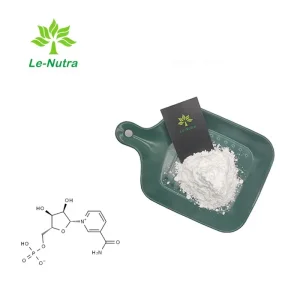
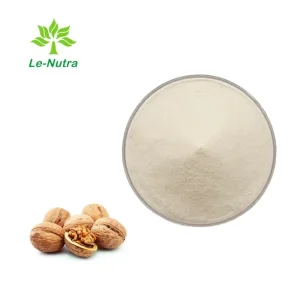
ODM All Natural Cosmetic Grade Hydrolyzed Walnut Protein Powder For Sale Suppliers, Pricelist
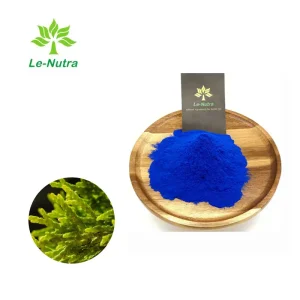
China Natural Food Coloring Phycocyanin Powder for Enhance Product Appeal Factories, Quotes
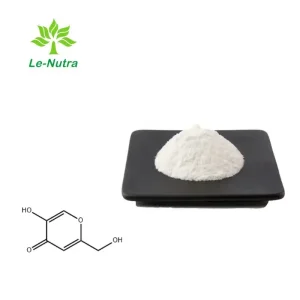
High-Quality Factory Supply Kojic Acid Powder for Skin Whitening Cosmetics Supplier, Factory
Partner directly with an established primary manufacturing source. Access full pilot scale customization, dedicated CoA releases, verified multi-continental supply security, and clear quotation structures.
Typical reply within one business day (UTC+8).
[email protected] +86-29-86518603 Request a Catalog Contact us