High-Purity Functional Ingredients & Plant Peptides (Batch 01–08)
Lab-validated active compounds, low-molecular fractions, and specialty botanical isolates documented for international OEM and ODM production lines.
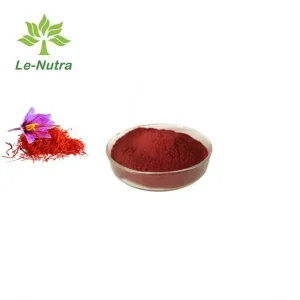
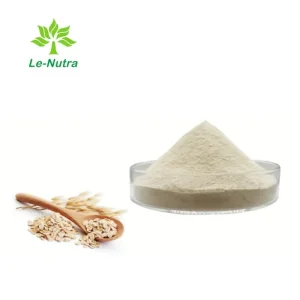
Commercial Status of High-Impact Plant Protein Ingredients
The global transition from basic plant meal to bio-tailored, enzymatically cleaved protein isolates is revolutionizing human nutrition, active cosmetics, and clinical alimentary sectors.
Global Market Dynamics
Driven by strict consumer demand for non-allergenic, clean-label macros, high-impact plant proteins (pea, rice, faba bean, pumpkin seed, wheat, and bitter melon peptides) are replacing traditional animal concentrates. Formulators no longer compromise on digestibility or solubility.
- 12.8% Global CAGR in specialized peptide fractions
- Elimination of chemical hexane residue via aqueous extraction
- High-affinity B2B formulation flexibility
The Shift to Bioactive Fractions
Standard crude plant protein isolates often display anti-nutritional phytates, low nitrogen solubility index (NSI), and beany taste profiles. Advanced extraction replaces legacy methods with endopeptidase directed scission, producing short-chain oligopeptides that optimize bio-efficacy.
- Dalton cutoffs optimized under 1,000–3,000 Da
- Significant uplift in Nitrogen Solubility Index (>88%)
- Rapid gastric emptying and intestinal mucosal uptake
Supply Chain Decoupling & Audit Rigor
Western FMCG brands, sports-dietary multinationals, and cosmeceutical developers demand audited validation. Suppliers must ensure complete traceability from field origin through multi-stage chromatography to final drum packaging, supported by extensive COAs.
- Batch-wise HPLC, GC-MS, and ICP-MS testing
- Strict compliance with USP, Ph. Eur., and GB specifications
- Full EcoVadis, Halal, Kosher, and ISO22000 verification
Global Technological Trends Shaping High-Impact Plant Protein Formulations
From enzymatic debittering enzymes to hybrid bio-complexing, four macro innovations define next-generation ingredient formulation.
1. Controlled Enzymatic Debittering
Hydrophobic amino acids like leucine, isoleucine, and phenylalanine exposed during raw hydrolysis generate bitter terminal notes. Emerging methods use precision exopeptidases to selectively cleave terminal hydrophobic rings, achieving neutral organoleptic profiles without artificial masking chemicals.
2. Synergistic Hybrid Bio-Matrixing
No single plant source delivers the exact complete branched-chain amino acid (BCAA) profile of mammalian whey. Modern formulators blend engineered pulse (pea/faba) with cereal (rice/oat) isolates to achieve a Protein Digestibility-Corrected Amino Acid Score (PDCAAS) of 1.0.
3. Ultra-Low Thermal Micro-Spray Drying
Thermal denaturation ruins secondary tertiary protein folding, drastically reducing functional water-binding and emulsification capacity. Low-temperature flash cyclonic evaporation preserves bioactive native folding, assuring instant cold-water dispersibility.
4. Clean-Label Micro-Crosslinking
Utilizing microbial transglutaminase (TG enzyme) enables clean molecular cross-linking between peptide chains. This builds realistic structural chewiness and water retention in plant-based culinary matrices without gums or artificial stabilizers.
Commercial Application Blueprints Across High-Growth Sectors
Real-world integration parameters for sports nutrition, functional medical foods, clean dairy-free beverages, and topical cosmeceuticals.
Sports & Recovery Powders
Instantized pea and rice protein isolates provide an amino acid spectrum rivaling whey isolate. Rich in leucine and arginine, our specialized plant protein fractions trigger mammalian target of rapamycin (mTOR) signaling pathways to support rapid post-workout myofibrillar muscle synthesis.
- Protein Assay: ≥85.0% dry basis
- Bulk Density: 0.38 - 0.48 g/mL
- Application: Ready-to-mix powders & RTD shakes
Clinical Enteral Nutrition
Patients suffering from compromised GI tracts, post-operative trauma, or metabolic distress require hypo-allergenic, pre-digested nitrogen sources. Low-molecular hydrolysates (wheat, corn, pea peptides) dissolve instantaneously into transparent low-viscosity liquid solutions.
- Osmolality: Minimized GI osmotic stress
- Solubility: Complete clarity at pH 3.0 - 7.0
- Application: Tube feedings & medical tonics
Cosmeceuticals & Hair Repair
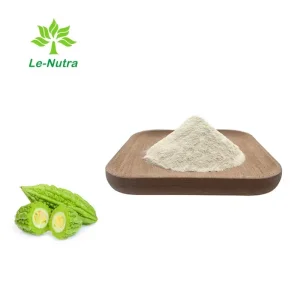
Hydrolyzed plant proteins like Bitter Melon, Wheat, and Pea peptides show exceptional affinity for human alpha-keratin and type-I collagen fibers. Small molecular weights (<1,500 Da) enable deep cuticle cortex penetration to repair hair fracture sites and increase tensile elasticity.
- Substantivity: High keratin-affinity binding
- Skin Sensation: Non-tacky moisture retention
- Application: Hair masks, serums & anti-aging
Dairy & Meat Transformation
Texturized vegetal protein (TVP) isolates, pumpkin seed proteins, and enzymatic soy isolates provide high water-binding and oil-emulsifying capacity. They mimic animal fat-to-protein ratios in vegan cheeses, barista-grade oat/pea milks, and extruded fibrous alt-meat formulations.
- Emulsification: >80% stability index
- Thermal Resistance: Retains gel under UHT
- Application: Plant milk, patties & yogurts
Engineering Roadmap: From Plant Raw Material to Bio-Isolated Peptide
Our five-stage manufacturing process ensures batch reproducibility, high chemical assay values, and pure clean-science standards.
Cold-Aqueous Phase Fractionation
Non-thermal mechanical seed dehulling followed by aqueous alkaline dissolution and isoelectric precipitation. This step separates starch, soluble sugars, and anti-nutritional fibers without petrochemical hydrocarbon solvents.
Directed Multi-Enzyme Hydrolysis
Multi-stage computer-controlled bioreactors introduce targeted endo- and exo-peptidases. Precise temperature and pH regulation dictate cleavage sites to yield predetermined molecular-weight distribution curves.
Ceramic Ultra-Filtration & Decolorization
Cross-flow ceramic membrane filtration systems isolate fractions with molecular cutoffs from 500 Da to 5,000 Da. Simultaneously, natural macroporous resin adsorption strips unwanted pigments and volatile off-notes.
Sterile Low-Temp Atomization
Concentrated retentates undergo high-pressure cyclonic atomization in low-temperature closed-circuit spray towers. Rapid droplet desiccation prevents thermal protein degradation and guarantees free-flowing powder properties.
Holistic Macro-Industry Supply Solutions
As multinational purchasers face fluctuating agricultural yields, regulatory restrictions on allergens, and scope-3 greenhouse emissions tracking, partnering with a primary producer is essential. Le-Nutra Ingredients integrates agronomic seed traceability in Shaanxi and specialized Chinese microclimates with cutting-edge extraction technologies. Our facilities manage water re-circulation systems and renewable boiler energy, delivering raw materials with a 45% lower carbon footprint than standard animal-derived equivalents.
Frequently Asked Questions on Plant Protein Isolation & Supply
Detailed technical, analytical, and supply-chain answers for QA directors, procurement officers, and lead formulation scientists.
High-Purity Functional Ingredients & Plant Peptides (Batch 09–16)
Complementary botanical extracts, cosmetic multi-peptides, and cellular nutritional compounds designed for clean commercial integration.
Accelerate Your Plant-Based Formulation Pipeline
Request pilot batch samples, access our analytical chromatographic library, or review bulk contract-manufacturing pricing with our technical export engineers.