Featured Dietary Bioactive Portfolio (Section I)
Verified industrial-grade ingredients engineered via bio-enzymatic isolation, high-purity synthesis, and botanical extraction with documented batch-to-batch consistency.
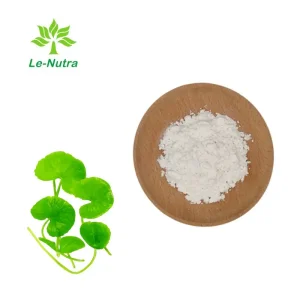
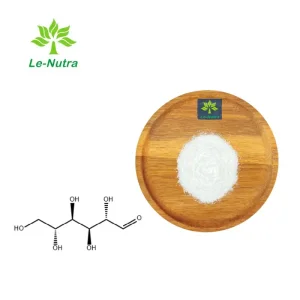
1. Global Enterprise Procurement Demand for Dietary Bioactives
Analyzing shift patterns, supply chain vulnerabilities, and technical specifications governing B2B ingredient sourcing across North America, Europe, and Asia-Pacific.
The global market for Dietary Bioactive Components is undergoing a fundamental structural transition. Driven by advances in nutrigenomics, cellular longevity studies, and preventative healthcare, enterprise purchasers—ranging from multinational pharmaceutical conglomerates to agile nutraceutical brand incubators—are moving away from crude botanical powders toward standardized, bioaccessible bioactive fractions. Procurement strategies now prioritize precise analytical verification, structural molecular integrity, and scalable OEM/ODM processing reliability.
Targeted Bioavailability & Kinetic Profiles
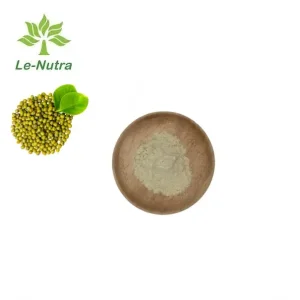
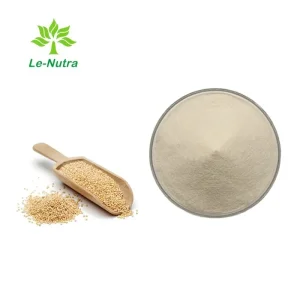
Modern formulators demand bioactives with demonstrated bioaccessibility. Sourcing preferences favor micro-particulate, nano-encapsulated, or enzymatically hydrolysed peptides (such as small-molecular mung bean and quinoa hydrolysates) that bypass hepatic first-pass degradation and maintain biological potency.
Regulatory Compliance & Traceability
Strict enforcement by EFSA (Novel Food Status) and the US FDA (NDI/GRAS notifications) requires chemical profiling. Global enterprise procurement teams require high-performance liquid chromatography (HPLC) quantitative assay reports, LC-MS fingerprinting, and full supply-chain origin transparency.
Supply Resilience & Factory Quotes
Volatile agricultural yield and geopolitical logistics make direct factory partnerships essential. B2B buyers look for manufacturing facilities capable of multi-ton annual outputs with standardized pricing contracts to shield their commercial margins from spot-market volatility.
2. Macro-Industry Solutions & Application Frameworks
Systematic integration of dietary bioactives, peptides, and cosmetic actives into commercial consumer products.
| Target Sector | Primary Bioactive Category | Technical Functionality | Formulation Synergy Example |
|---|---|---|---|
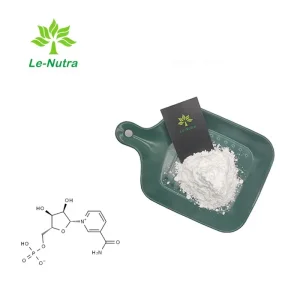
| Nutraceuticals & Cellular Health | NAD+ Precursors (Beta-NMN), D-Mannose | Mitochondrial energy optimization, enzymatic DNA repair, mucosal adhesion inhibition. | NMN + Resveratrol / Pomegranate Peel Extract for enhanced SIRTUIN-1 activation. |
| Functional Foods & Sports Nutrition | Hydrolyzed Quinoa Protein, Mung Bean Peptides | Rapid amino acid absorption, nitrogen retention, anti-fatigue metabolic buffering. | Enzymatic plant peptide blends with electrolytes in isotonic powder sachets. |
| Advanced Cosmeceuticals | Palmitoyl Tetrapeptide-10, Centella Asiatica, Hydrolyzed Soy Protein | Extracellular matrix restoration, collagen synthesis signal transduction, epidermal barrier fortification. | Peptide-complex topical serums emulsified with Neopentyl Glycol Diheptanoate. |
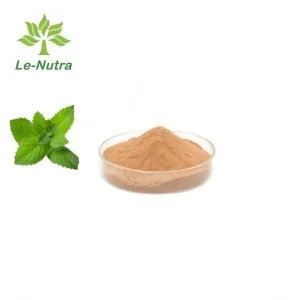
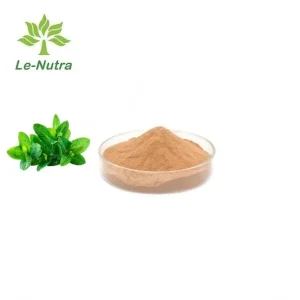
| Dermaceutical & Targeted Skincare | Salicylic Acid Powder, Isostearyl Isostearate, Rosmarinic Acid | Keratolytic sebum regulation, lipid layer restructuring, radical scavenge & anti-inflammation. | Encapsulated Salicylic Acid buffered with Lemon Balm Rosmarinic Acid for gentle exfoliation. |
Nutraceutical & Medical Food Engineering
In metabolic and uro-gynecological health, high-purity mono-saccharides like D-Mannose Powder provide target-specific bacterial anti-adhesion capabilities without altering blood glucose homeostasis or disrupting beneficial gut flora.
Cosmeceutical Signal Transduction
Biomimetic peptides such as Palmitoyl Tetrapeptide-10 function as precise cellular messengers, stimulating natural micro-pigmentation balance and epidermal protein synthesis to yield a crystal-clear skin aesthetic.
Plant-Derived Small-Molecule Peptides
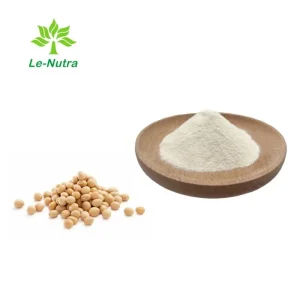
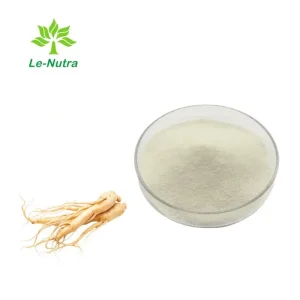
By executing controlled enzymatic hydrolysis on botanical substrates (Mung Bean, Pea, Soy, Ginseng, Quinoa), we produce low-dalton amino acid chains that deliver superior solubility, low osmolality, and rapid intracellular absorption.
3. Industrial Technical Roadmap & R&D Processing Innovations
From raw material extraction to molecular molecular weight cut-off (MWCO) filtration—our five-stage manufacturing execution workflow.
Our 60,000 m² state-of-the-art production base operates six multi-functional automated extraction and enzymatic processing lines. Achieving superior purity and stability requires rigorous biochemical control at every operational node.
Raw Material Fingerprinting & Botanical Qualification
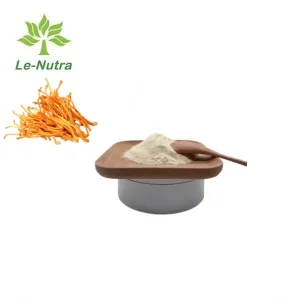
Every inbound batch of botanicals (e.g., Centella Asiatica, Lemon Balm, Cordyceps) undergoes HPLC and UV-Vis spectrophotometric identity verification. Heavy metals (Pb, As, Hg, Cd), pesticide residues (over 400 screenable targets), and aflatoxins are rigorously quantified via ICP-MS prior to processing intake.
Targeted Enzymatic Hydrolysis & Green Extraction
For bioactive proteins and peptides, we deploy targeted multi-enzyme cleavage protocols (endopeptidases and exopeptidases). Temperature, pH, and hydrolysis kinetics are digitally monitored to direct peptide chain lengths to target molecular weight distributions (<500 Da, <1000 Da, or <2000 Da).
Membrane Ultrafiltration & Chromatographic Purification
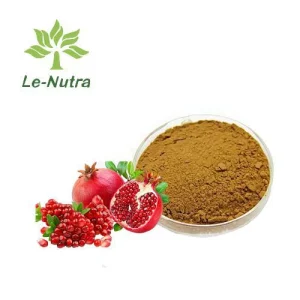
Post-hydrolysis broths undergo multi-stage ceramic membrane filtration and nanofiltration cut-offs to eliminate non-functional starch, crude ash, and bitter hydrophobic amino acids. Active botanical fractions (such as Rosmarinic Acid or Ellagic Acid from Pomegranate) are concentrated via macroporous resin column chromatography.
Low-Temperature Vacuum Evaporation & Aseptic Spray Drying
To preserve heat-sensitive bioactives (such as NMN and cosmetic peptide sequences), moisture reduction is executed under deep vacuum conditions at temperatures strictly under 55°C. Rapid centrifugal spray drying in Class 100,000 cleanroom environments yields non-caking, instant-dissolving powders.
Analytical Release, Particle Size Engineering & Packaging
Final powders are customized to target mesh sizes (80 to 200 mesh) via jet-milling. Double pharmaceutical-grade PE inner lining and vacuum aluminum foil drum packaging guarantee stability, moisture barrier integrity, and zero microbial contamination during ocean or air transport.
4. Global Business & Industrial Manufacturing Landscape
Economic efficiency, raw material security, and high-capacity batch manufacturing for global B2B procurement leaders.
The global production of high-purity dietary bioactives is geographically concentrated around advanced biomanufacturing hubs equipped with integrated agricultural supply chains. China's Shaanxi province has emerged as the global epicenter for botanical extraction and peptide biotechnology, leveraging proximity to raw material cultivation bases, optimized energy infrastructure, and mature industrial chemical clusters.
Factory Direct Cost Optimization
By eliminating intermediary brokers and trading firms, B2B brand owners lock in competitive factory price quotes. Direct integration reduces raw ingredient unit costs by 20% to 35%, expanding gross profit margins for commercial launches.
Custom OEM / ODM Manufacturing
Beyond raw powder supply, enterprise clients leverage complete contract manufacturing capabilities, including custom enzymatic hydrolysate profiles, specific solvent-free extract ratios (e.g., 10:1, 50:1), premixes, and private-label packaging solutions.
Scalable Commercial Batch Sizes
Whether providing 25 kg pilot validation drums for clinical trial manufacturing or multi-ton monthly container shipments for continuous consumer production, factory infrastructure maintains tight batch-to-batch assay tolerances (<2.5% variance).
5. Localized Regulatory Support, Compliance & Quality Assurance
Ensuring seamless cross-border customs clearance and compliance with international food, health, and cosmetic safety standards.
Exporting active ingredients across international borders requires rigorous compliance with regional health authorities. Our regulatory documentation department produces exhaustive qualification dossiers designed to pass QA audit protocols immediately upon submission.
Dossier Transparency & Certification
Every commercial lot is accompanied by a full Certificate of Analysis (COA), Safety Data Sheet (SDS/MSDS), Allergen Statements, Non-GMO declarations, and BSE/TSE-free certification. Facilities maintain cGMP, ISO 22000, ISO 9001, Kosher, and Halal accreditations.
Global Logistics & Customs Cleared Warehousing
We provide localized import support for North America (FDA registered), Europe (REACH & Novel Food compliance guidance), and Southeast Asia. Flexible shipping terms include FOB, CIF, DDP (Delivered Duty Paid), and express sample air-freight.
Third-Party Laboratory Validation
To eliminate buyer risk, independent third-party testing (SGS, Eurofins, Intertek) is available upon request for heavy metals, microbial limits, residual solvents, and quantitative HPLC active marker content verification prior to shipment release.
Featured Dietary Bioactive Portfolio (Section II)
Specialized extracts, NAD+ precursor powders, and hydrolysed structural proteins tailored for dietary supplements and cosmetics.
6. Technical & Sourcing FAQ (Frequently Asked Questions)
Direct answers addressing formulation stability, minimum order quantities (MOQ), custom synthesis, and quality assurance protocols for enterprise purchasers.