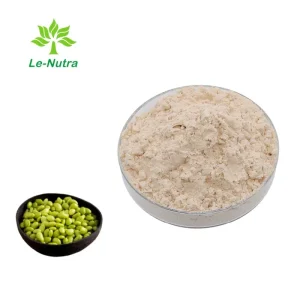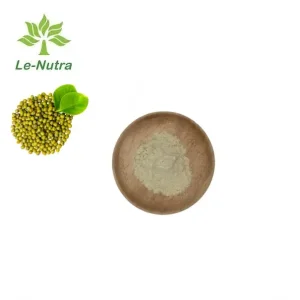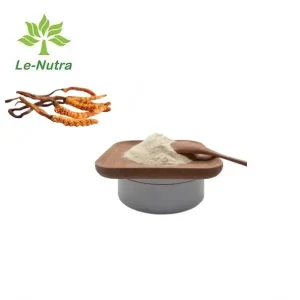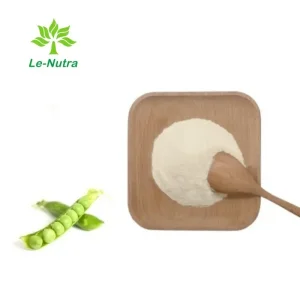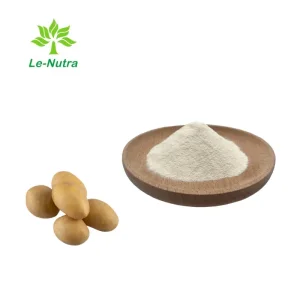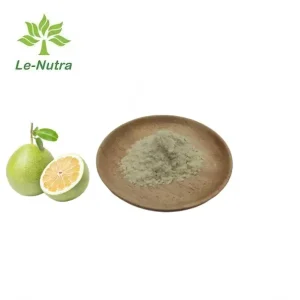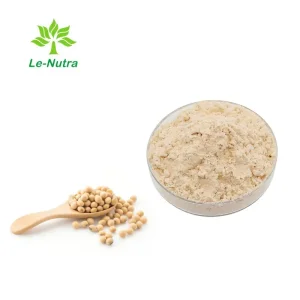
Featured Bio-Actives & Engineered Peptides
Direct manufacturing supply backed by validated HPLC/LC-MS testing, controlled Dalton-weight ranges, and comprehensive international regulatory documentation.
The Macro-Industrial Paradigm Shift in Amino Acids, Peptides & Functional Proteins
The commercial landscape for macromolecular proteins, intermediate oligopeptides, and free-form amino acids has undergone a profound transformation. Driven by systemic shifts in clinical oncology care, advanced cosmetic pharmacology, sports metabolic longevity, and consumer demand for hypoallergenic clean-label vegan nutrition, the global bio-ingredients market is expanding beyond traditional bulk commoditization toward precision molecular architecture.
Historically, industrial supply chains relied heavily on aggressive chemical acid-alkali hydrolysis of bovine, porcine, or crude agricultural by-products. This legacy approach created pronounced molecular degradation, racemic amino acid inversion (converting bioavailable L-enantiomers into non-absorbable D-isomers), volatile organoleptic off-notes, and chemical residual salts. Modern international formulators—ranging from dietary supplement manufacturers in North America to tier-one cosmeceutical developers in Western Europe and Japan—now mandate enzymatically directed biocatalysis and precise molecular weight cutoff (MWCO) distribution profiles.
Xi'an Le-Nutra Ingredients Inc. operates at the center of this paradigm shift. Backed by 14+ years of dedicated phytochemical and biopolymer research, our industrial manufacturing operations bridge pure laboratory molecular biochemistry with 3,000-metric-ton automated production capacities. By standardizing substrate sourcing and deploying computer-controlled enzymatic cleavage systems, we deliver fully characterized, batch-consistent functional ingredients that lower technical formulation hurdles and eliminate supply chain volatility.
The China Industrial Efficiency Advantage: Scale, Integration & Precision
How our Xi'an manufacturing complex combines raw material supply cluster proximity, advanced continuous processing, and rigorous pharmacopeial compliance.
Qinling Agronomic Corridor
Direct logistical connectivity to China's premier agricultural, legume, and wild botanical bio-zones. Raw materials are harvested, cold-chain stabilized, and processed within hours to prevent enzymatic protein denaturing and spontaneous lipid oxidation.
- Traceability to regional contract cultivation bases
- Stringent identity verification (HPTLC botanical fingerprinting)
- Zero pesticide adulteration entering intake storage
Automated Bioreactor Arrays
Our 60,000 m² campus operates six multifunctional stainless-steel trains featuring continuous enzymatic hydrolysis vessels, multi-stage temperature control, and automated enzyme termination modules to lock in specific oligopeptide chain lengths.
- Enzyme-to-substrate (E/S) ratio precision control
- Real-time automated pH, temperature, and torque sensing
- Closed-loop sanitary design preventing cross-contamination
Fractionation & Spray Crystallization
Equipped with multi-stage ceramic microfiltration, spiral nanofiltration membrane cascades, and low-temperature centrifugal spray-drying towers that preserve secondary and tertiary bioactive peptide structures without thermal degradation.
- Precise Dalton cutoffs (e.g., <500 Da, <1,000 Da, <3,000 Da)
- Continuous low-temperature vacuum evaporation
- Microbial spore barrier with HEPA Class 100,000 cleanrooms
Directed Biocatalytic Cleavage vs. Legacy Chemical Extraction
Formulators frequently encounter challenges when migrating from benchtop R&D trials to multi-ton commercial production runs. The primary point of failure stems from inconsistent peptide cleavage patterns and broad molecular weight spreads. When plant or marine proteins are randomly broken down through aggressive acid or alkali baths, functional terminal groups are cleaved arbitrarily, yielding excessive concentrations of hydrophobic amino acids that cause intense bitterness and poor solubility.
Le-Nutra utilizes proprietary proteases, endopeptidases, and exopeptidases sourced from non-GMO microbial strains. By selecting enzymes tailored to specific peptide bond positions (such as Lys-Leu, Arg-Gly, or Pro-Hyp linkages), our bioprocessing units deliver predetermined target oligopeptide distributions with high biological receptor affinity, neutral organoleptics, and rapid cold-water dispersion.
| Technical Parameter | Standard Acid/Alkali Chemical Hydrolysis | Le-Nutra Directed Enzymatic Biocatalysis |
|---|---|---|
| L-Enantiomer Preservation | High risk of racemization (15–35% conversion to D-isomers) | 100% Optical Purity (Pure L-enantiomer confirmation) |
| Molecular Weight Precision | Wide, erratic dispersion (200 Da to 15,000 Da uncontrolled) | Tightly Controlled MWCO Bands (±5% Dalton tolerance) |
| Organoleptic Profile | High bitterness, chemical salinity, off-color degradation | Clean neutral taste, pristine light tone, debittered fractions |
| Cold Water Dispersibility | Often precipitates or forms clumping colloids | Instantaneous 100% clear or milky dispersion (<15 seconds) |
| Heavy Metal & Ash Load | Ash content >8.0% due to chemical neutralization salts | Low Ash <1.5%, Heavy Metals <1.0 ppm total load |
Engineered Applications Across Global Market Sectors
Providing custom functional specs across clinical medicine, high-performance sports recovery, high-end cosmeceuticals, and sustainable plant nutrition.
Cosmeceuticals & Peptidomics
Engineered biomimetic cosmetic peptides including Mu-Conotoxin, Copper Tripeptide-1 (GHK-Cu), and Hydrolyzed Pea/Wheat proteins designed for transdermal penetration, cellular ECM remodeling, and hair cuticle mechanical reinforcement.
- In-vitro verified collagenase inhibition
- High cuticular affinity for hair smoothing
- Sterile liquid and high-potency powder formats
Sports Nutrition & Sarcopenia
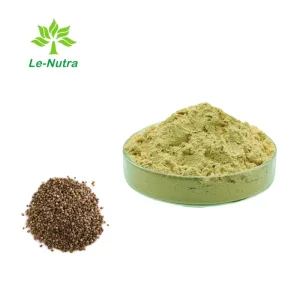
High-BCAA hemp, soy isolate, and fava bean hydrolysates tailored for optimal mTOR pathway activation. Rapid absorption kinetics supply amino acids into the bloodstream within 20 minutes of ingestion for accelerated athletic muscle recovery.
- PDCAAS score approximating 1.0
- Optimized Leucine-Isoleucine-Valine ratios
- Smooth suspended mouthfeel without grit
Clinical Nutrition & Enteral Feeds
Hypoallergenic small-molecule peptide fractions designed for medical foods, surgical recovery formulas, and elderly gastrointestinal support where gut barrier integrity is compromised and intact proteins cannot be digested.
- >85% peptides below 1,000 Daltons
- Zero intact allergen epitopes detected
- Rigorous endotoxin and pathogen screens
Cognitive & Metabolic Health
Synergistic bio-factors such as high-purity Phosphatidylserine, Pyrroloquinoline Quinone (PQQ), and fungal Cordyceps Militaris Peptides targeting mitochondrial biogenesis, neural membrane fluidity, and cellular antioxidant defenses.
- High bioavailability cellular carriers
- Enhanced stress resistance markers
- Standardized active marker compounds
Emerging Technological Trajectories: AI Peptidomics, Precision Fermentation & Green Chemistry
The next decade of amino acid and protein manufacturing will be defined by the convergence of in-silico peptidomics, artificial intelligence, and non-thermal downstream recovery. Traditional trial-and-error discovery of bioactive peptide sequences is giving way to high-throughput machine learning algorithms capable of predicting exactly how specific dipeptides and tripeptides interact with human gut transporter PepT1, dermal G-protein coupled receptors, or metabolic kinase cascades.
At Le-Nutra's Xi'an R&D center, our biotechnologists are actively advancing three frontier areas:
1. In-Silico Directed Hydrolysis Modeling
By modeling primary amino acid sequences of non-GMO legumes (pea, fava, mung bean) against proprietary enzyme cleavage libraries, we simulate multi-enzyme cutting stages in computational environments before initiating 50-ton factory runs. This minimizes side-stream degradation, ensures the targeted yield of bioactive sequences (such as ACE-inhibitory or antioxidant fragments), and locks in batch reproducibility.
2. Precision Fermentation Hybrid Systems
While botanical agriculture remains indispensable for bulk isolate proteins, precision microbial fermentation is revolutionizing rare amino acid derivatives and peptide active manufacturing. By feeding non-pathogenic engineered yeast and bacterial cultures with sustainable agricultural carbohydrates, we synthesize difficult-to-isolate active molecules like PQQ, Ectoine, and targeted neuromodulatory peptides at high titers with minimal environmental footprint.
3. Green Downstream Processing & Circular Bioeconomy
Industrial manufacturing sustainability is no longer optional for Fortune 500 qualification. Le-Nutra is deploying closed-loop water recirculation systems, non-solvent aqueous chromatographic separations, and low-temperature membrane dehydration. Furthermore, agricultural side-streams from starch isolation are upcycled into high-grade oligopeptide hydrolysates, ensuring that plant biomass achieves near-zero waste utilization.
Comprehensive Quality Dossier for Global Enterprise Auditors
Mitigating vendor qualification risk with end-to-end analytical traceability, pharmacopeial adherence, and validated international standards.
Full Analytical Release Dossier
Every commercial dispatch is accompanied by an immutable lot-specific Certificate of Analysis (COA) containing raw instrument data, HPLC/LC-MS chromatographic traces, and calibrated assay determinations verified against USP/EP reference standards.
- Assay purity validated by HPLC, UV-Vis, or Titration
- Molecular weight distribution curves via GPC/SEC
- Full Karl Fischer residual moisture quantification
Contaminant & Safety Ceilings
Operating dedicated ICP-MS and GC-MS/MS testing protocols to ensure all materials comply with California Proposition 65 limits, European Commission contaminants regulations, and USP <232>/<233> elemental impurity requirements.
- Heavy Metals: As <0.2 ppm, Pb <0.2 ppm, Cd <0.1 ppm, Hg <0.05 ppm
- Residual Solvents tested via USP <467> Headspace GC
- Complete USP <561> multi-residue pesticide screen
Microbiological & Allergen Cleanliness
Manufactured within sealed HEPA Class 100,000 cleanrooms. Every finished batch is tested for Total Aerobic Microbial Count (TAMC), Yeast & Molds (TYMC), Bile-Tolerant Gram-Negative Bacteria, and absence of pathogens (E. coli, Salmonella, S. aureus).
- Total Aerobic Plate Count <1,000 CFU/g
- Yeast & Mold <100 CFU/g; Zero Pathogens
- ELISA screening for gluten, dairy, and soy cross-contact
Frequently Asked Technical & Operational Questions
Direct answers addressing formulation stability, analytical verification, customization capabilities, and global logistics.
How does Le-Nutra verify the specific molecular weight cutoff (MWCO) distribution of peptide ingredients?
Can Le-Nutra engineer customized debittered or decolorized vegetal protein hydrolysates for functional beverages?
What regulatory compliance documentation is furnished for pharmaceutical or food registration in the US and EU?
How does your Xi'an factory maintain consistent production capacity and raw material pricing stability during global market disruptions?
What is the standard lead time for pilot custom peptide synthesis versus multi-ton containerized freight dispatches?
Does Le-Nutra offer custom formulation, blending, and pre-mix services for contract brand manufacturers?
Specialty Plant Proteins, Peptides & Botanical Isolates
Direct factory pricing, comprehensive COA documentation, and reliable export fulfillment across international supply chains.