Engineered Plant Proteins & Bioactive Cosmetic Actives
Explore standard production lines manufactured under strict cGMP protocols, verified by HPLC and enzymatic digestion profiles.
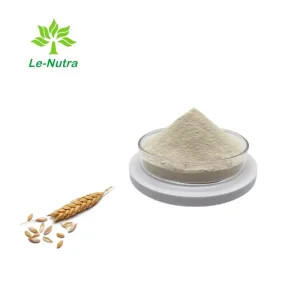
China Active Ingredient Hydrolysed Wheat Protein Powder for Personal Care
Product Specifications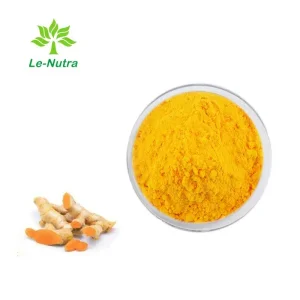
China Natural Pigments Turmeric Extract Curcumin for Functional Foods
Product Specifications
OEM Premium Neopentyl Glycol Diheptanoate for Cosmetics Beauty Products
Product Specifications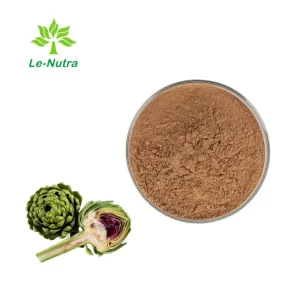
Custom Wholesale Artichoke Extract Cynarin for Health Supplements
Product Specifications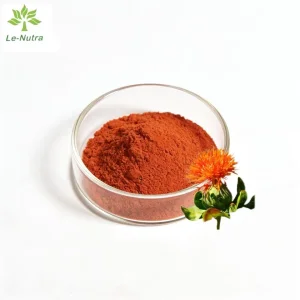
ODM Safflower Powder Supplier, High Purity Formulations Quotes
Product Specifications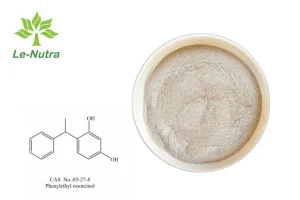
ODM 4 Alpha Methylbenzyl Resorcinol Powder Factories
Product Specifications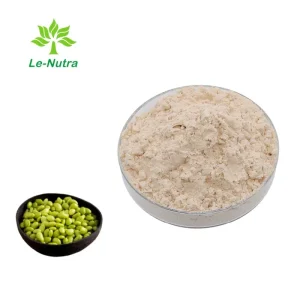
OEM Clean Label Fava Bean Protein Powder for Modern Nutrition
Product Specifications
High-Quality Phosphatidylserine Powder Pure Dietary Suppliers
Product SpecificationsThe Triad of Biorefining: Protein Concentrates, Isolates, and Hydrolysates
Strategic industrial fractionation and molecular weight management from China's leading ingredient synthesis hubs.
Protein Concentrates (50%–75% Purity)
Engineered via gentle aqueous solvent extraction and air classification to retain essential dietary lipids, phospholipids, micronutrients, and native fibers. Ideal for bulk food texturization and complete nutritional profiles.
- Retains endogenous vitamins and trace minerals
- Cost-optimized for large-scale bar and baked formulations
- Superior water retention and emulsification matrices
Protein Isolates (80%–92% Purity)
Fractionated using isoelectric precipitation combined with cross-flow membrane ultrafiltration (UF) and microfiltration (MF). Removes non-protein carbohydrates, antinutritional oligosaccharides, and undesirable off-flavor volatiles.
- Hypoallergenic, ultra-low lipid and ash fractions
- High Branched-Chain Amino Acid (BCAA) retention
- Exceptional dispersibility in ready-to-mix (RTM) beverages
Protein Hydrolysates (Enzymatic Peptides)
Targeted bio-cleavage of polypeptide chains utilizing precise endopeptidases and exopeptidases. Yields predetermined molecular weight distributions (<1,000 to 3,000 Daltons) designed for rapid cellular absorption.
- Low molecular mass tailored for immediate metabolic delivery
- Reduced antigenicity for hypo-allergenic and clinical nutrition
- High surfactant capabilities for hair care & cosmetic penetration
Technical Specification Matrix: Concentrates vs. Isolates vs. Hydrolysates
Verified physical-chemical and biofunctional metrics per factory standard operating protocols.
| Analytical Parameter | Protein Concentrate | Protein Isolate | Enzymatic Hydrolysate | Validation Methodology |
|---|---|---|---|---|
| Crude Protein Content (Dry Basis) | 55.0% – 75.0% | 80.0% – 92.5% | 85.0% – 95.0% (Equiv. N × 6.25) | Kjeldahl / Dumas (AOAC 992.15) |
| Molecular Weight Distribution | > 45,000 Da (Native Polypeptide) | 20,000 – 60,000 Da (Globular) | < 500 Da (40%), 500–2000 Da (50%) | HPLC-SEC (Size Exclusion) |
| Solubility Profile (pH 4.0 – 7.0) | Partial Suspensions (45–65%) | Stable Emulsion (70–88%) | 100% Water Soluble Clear/Opal | Nitrogen Solubility Index (NSI) |
| Fat & Lipid Residue | 4.0% – 8.5% | ≤ 1.5% | ≤ 0.8% | Soxhlet Extraction |
| Organoleptic / Taste Profile | Characteristic cereal/pulse profile | Clean, neutral, low astringency | Debittered via aminopeptidase control | Sensory Panel Calibration |
| Primary Target Application | Extruded meats, meal replacement | High-protein RTM beverages, RTDs | Clinical formulas, topical skin/hair | Formulation Rheology Tests |
Global Sourcing Challenges & Industrial Solutions
Addressing supply chain friction, regional compliance barriers, and functional performance inconsistencies.
Hydrolysate Bitterness & Off-Notes
Challenge: Hydrophobic amino acids (Leucine, Phenylalanine) exposed during enzymatic scission create bitter notes that fail consumer taste evaluations.
Factory Solution: We employ a dual-phase, selective exopeptidase enzymatic cleavage combined with activated carbon decolorization and proprietary flash-vacuum deodorization columns, ensuring pure flavor neutrality.
Batch-to-Batch Viscosity Inconsistencies
Challenge: Variance in crop harvest conditions creates fluctuations in protein quaternary structure, yielding unpredictable gelation in liquid beverage lines.
Factory Solution: Integration of automated inline FT-NIR process sensors and precision standardized shear homogenizers ensures constant dynamic viscosity (cP) across all scaled manufacturing batches.
Complex Cross-Border Compliance
Challenge: Stringent heavy metal limits (USP/EP), non-GMO verification, and pesticide multi-residue panels (EU Regulation EC 396/2005) cause port rejections.
Factory Solution: Routine batch testing via ICP-MS for heavy metals (<10ppb detection), third-party Eurofins/SGS cross-validation, and provision of full regulatory dossiers (CoA, MSDS, TSE/BSE, Allergen Declarations).
Factory Operations: 6 Multi-Functional Processing Lines
Xi'an Le-Nutra Ingredients operates 60,000 m² of cleanroom production, driving high-yield botanical fractionation and enzymatic peptide transformation.
Enzymatic Bioreactors
316L stainless-steel pressurized enzymatic vessels equipped with multi-stage temperature control, automated pH titration, and specialized agitation for uniform hydrolysis kinetics.
Cross-Flow Membrane Filtration
Multi-stage ceramic and spiral-wound polymeric ultrafiltration (UF) systems providing selective cutoff thresholds from 1,000 Da up to 100,000 Da for molecular fractionation.
Low-Temperature Spray Drying
High-capacity co-current drying towers with air-inlet filtration and low exhaust temperatures, preserving heat-labile biopeptides from thermal degradation.
Quality Assurance Laboratory
In-house testing facility equipped with Agilent HPLC, GC-MS, Shimadzu UV-Vis spectrophotometers, and atomic absorption for real-time batch certification.
Technological Roadmap: The Next Decade in Protein Synthesis
Strategic advancements shaping the next generation of hypoallergenic, sustainable, and highly bioavailable vegetal proteins.
AI-Guided Enzyme Cleavage Modeling
Deploying predictive machine learning algorithms to simulate and map peptide cleavage sequences. Enables real-time tailoring of antithrombotic, antihypertensive, and antioxidant peptides directly from fava bean, rice, and pea feedstocks.
Precision Fermentation & Cellular Upcycling
Merging agro-industrial coproduct side streams with microbial fermentation hosts. Reduces water consumption by up to 60% while optimizing amino acid completeness without relying on synthetic inputs.
Closed-Loop Sustainable Decarbonization
Implementation of closed-cycle water reclamation loops and secondary biomass energy recovery, achieving verified low-carbon footprints that satisfy Scope 3 ESG mandates for Western European and North American buyers.
Specialized Hydrolysates & Standardized Botanical Actives
High-potency botanical extracts and clinical dietary ingredients directly supplied from our primary manufacturing base.
Custom Peppermint Extract Powder Factory Exporters
Product Specifications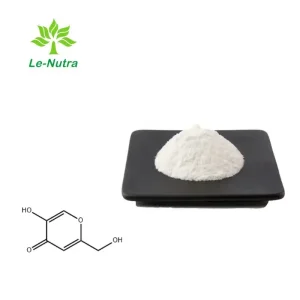
High-Quality Factory Supply Kojic Acid Powder for Skin Whitening
Product Specifications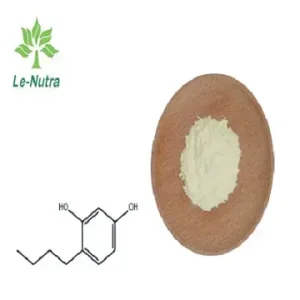
China Pure 4 Butylresorcinol Power High Purity Manufacturers
Product Specifications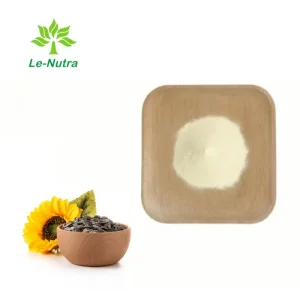
Buy Bulk Hydrolyzed Sunflower Seed Protein Powder for Skin Care
Product Specifications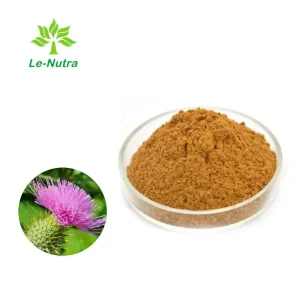
China All Natural Pure Milk Thistle Extract Powder for Liver Healthcare
Product Specifications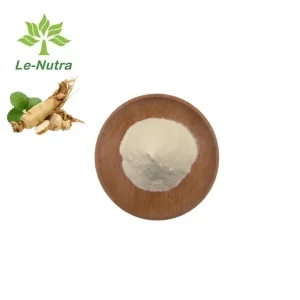
China Ginseng Peptide Powder Active Small Molecule Quotes
Product Specifications
Buy High Quality Apigenin Powder for Antioxidant Healthcare Products
Product Specifications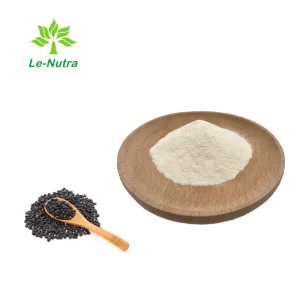
Natural Hydrolyzed Black Bean Protein Powder for Dietary Supplements
Product SpecificationsEnterprise Sourcing & Compliance FAQ
Essential guidance for formulation scientists, quality controllers, and global supply managers.
How is the Degree of Hydrolysis (DH) controlled in bulk manufacturing?
DH is tightly modulated using automated pH-stat titration and enzyme termination via thermal inactivation (HTST). We monitor cleavage extent using the TNBS (trinitrobenzenesulfonic acid) and OPA (o-phthaldialdehyde) methods to verify precise peptide length distribution.
What quality dossiers are provided for European novel food qualification?
Every commercial batch is accompanied by a full technical package: batch-specific Certificate of Analysis (COA), safety data sheet (SDS/MSDS), non-GMO declaration, allergen declaration, flowchart documentation, and pesticide multi-residue panels analyzed under DIN EN 15662.
What is the minimum order quantity (MOQ) and packaging standard?
Our standard pilot testing MOQ is 25 kg packed in double food-grade polyethylene lined vacuum-sealed bags within robust fiber drums. Commercial container-load configurations (FCL) feature 500 kg to 1,000 kg palletized supersacks with desiccants.
Can you customize particle sizes (mesh) for specific dissolution speeds?
Yes. Utilizing specialized cryogenic air-classifying mills (ACM), we produce tailored particle sizes from standard 80 mesh up to ultra-fine 300–500 mesh, optimized for rapid cold-water dissolution without agglomeration.
How do you guarantee the absence of cross-contamination?
Our 60,000 m² plant is segmented into dedicated production bays. Each processing line incorporates automated Clean-In-Place (CIP) and Sterilize-In-Place (SIP) cycles validated by ATP swab and ELISA testing to avoid botanical or gluten cross-contact.
What are the lead times for custom spray-dried hydrolyzed formulations?
Standard catalog raw materials ship within 3–5 working days from our Xi'an warehouse. Custom enzyme cleavage profiles, specific molecular cut-offs, or dedicated spray drying trials require 14–21 calendar days from laboratory pilot approval to export departure.