Featured Active Bio-Ingredients Showcase
Precision-manufactured herbal extracts and pure cosmetic actives backed by HPLC certification and complete regulatory documentation.
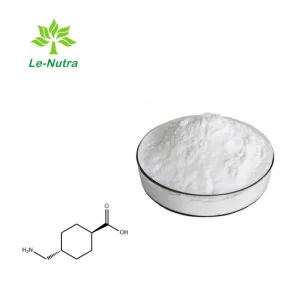
High-Quality Premium Tranexamic Acid Powder For Cosmetics With Antioxidant Exporter, Pricelist
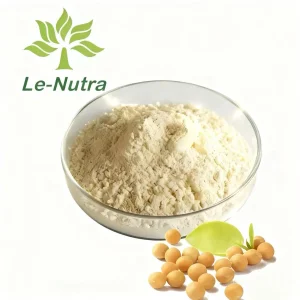
OEM Daidzein Powder for Antioxidant and Anti-Aging Applications Suppliers, Pricelist
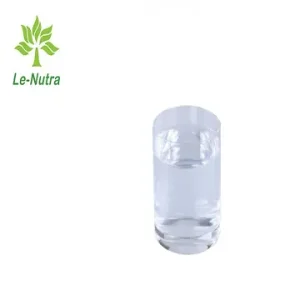
ODM Pure Squalane Liquid Suppliers, Exporters
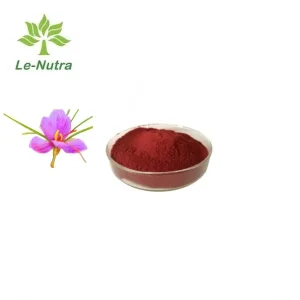
High-Quality Saffron Extract Safranal Factories, Quotes
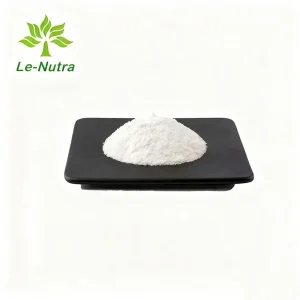
OEM Allantoin Powder Suppliers, Factory
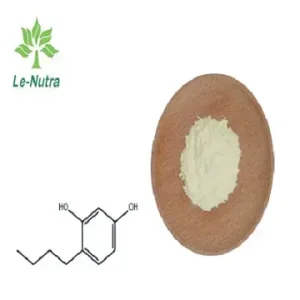
China Pure 4 Butylresorcinol Power Manufacturers, Manufacturer
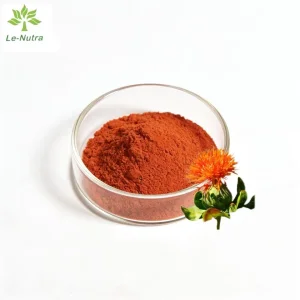
ODM Safflower Powder Supplier, Quotes
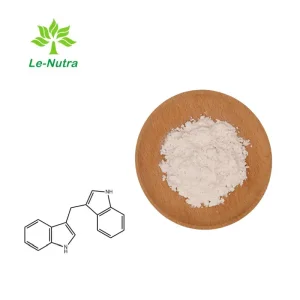
Wholesale High Quality 3,3'-Diindolylmethane Powder for Dietary Supplements – Support Hormonal Balance & Detoxification Suppliers, Factories
Executive Summary & Phytochemical Profile of Hypericum Perforatum
An authoritative evaluation of St. John's Wort extraction parameters, standardization benchmarks, and chemical assay markers for global B2B buyers.
Hypericum perforatum L., widely known as St. John's Wort, represents one of the most rigorously studied botanical medicines in modern pharmacognosy. As global demand for natural mood-modulating nutraceuticals and anti-inflammatory cosmeceutical active ingredients accelerates, Chinese manufacturing hubs have evolved into the primary world supplier of high-grade Hypericum perforatum extract. Driven by advanced resin column purification, precise low-temperature evaporation, and stringent heavy metal remediation, Chinese exporters now supply over 65% of global commercial volume.
The therapeutic efficacy and commercial value of Perforatum Hypericum Extract depend on a complex matrix of bioactive secondary metabolites. Primary among these are naphthodianthrones (principally hypericin and pseudohypericin), phloroglucinol derivatives (hyperforin and adhyperforin), flavonoids (quercetin, isoquercitrin, rutin, and hyperoside), and proanthocyanidins. Maintaining precise ratios between these volatile phytochemicals requires state-of-the-art analytical equipment and precise processing controls.
| Active Component Class | Primary Marker Compounds | Standard Specification Range | Analytical Method | Primary Industrial Utility |
|---|---|---|---|---|
| Naphthodianthrones | Hypericin, Pseudohypericin | 0.30% - 0.50% Total Hypericins | UV-Vis / HPLC (EP Standard) | Neuro-cognitive formulas, Anti-depressive supplements |
| Phloroglucinols | Hyperforin, Adhyperforin | 1.0% - 5.0% Hyperforin | HPLC-DAD (Light Protected) | Anxiolytic support, Neurological research |
| Flavonoids | Hyperoside, Rutin, Quercetin | 3.0% - 6.0% Total Flavonoids | HPLC / UV Spectrometry | Capillary protection, Dermo-cosmetic repair |
| Proanthocyanidins | Condensed Tannins, Catechins | 2.0% - 4.0% | Colorimetric / Vanillin Assay | Free-radical scavenging, Astringent skincare |
Hyperforin is highly susceptible to oxidative degradation when exposed to air and light, converting rapidly into inactive furohyperforin. Leading Chinese factories deploy nitrogen-blanketed extraction units and add micro-encapsulation carriers (such as maltodextrin or cyclodextrin) to preserve bioactivity for shelf-stable B2B raw material exports.
Global Commercial & Industrial Status
Analyzing international supply chain dynamics, regional market penetration, and economic factors establishing China as the premier export center.
European Union Market Dynamics
The EU remains the world's largest consumer of Hypericum perforatum, where it is classified as both a Traditional Herbal Medicinal Product (THMP) and a dietary ingredient. Demand is centered in Germany, France, and Italy, requiring European Pharmacopoeia (EP) compliance with strict limits on PAHs, pesticide residues, and heavy metals.
North American Supplement Demand
In the US and Canada, St. John's Wort is dominated by DSHEA-compliant dietary supplements focusing on mood balance and stress management. Key brand formulators demand water-soluble, light-stable extracts with standardized total hypericins of 0.3% verified by HPLC, accompanied by complete US FDA DMF support.
Asia-Pacific & Emerging Formulations
Emerging demand in East Asia and South America centers on anti-inflammatory skincare and phytogenic veterinary health. Natural topical formulations leverage Hypericum extract for eczema, superficial burns, and skin barrier repair, driving non-medicinal industrial growth.
Why China Dominates the Global Hypericum Supply Chain
China's Shaanxi, Gansu, and Henan provinces contain vast wild-harvesting regions and cultivated agricultural bases for high-hypericin varieties of Hypericum perforatum (often yielding raw hypericin contents exceeding 0.15% in fresh flowering tops). Chinese botanical extract factories have scaled extraction infrastructure to continuous counter-current extractors, low-temperature vacuum film evaporators, and automated column chromatography systems. This scale yields significant production cost efficiencies, stable batch-to-batch uniformity, and continuous year-round supply for international B2B distributors.
Advanced Manufacturing Roadmap & Technical Quality Controls
An engineering overview of industrial extraction methods, solvent recovery, pesticide clearance, and regulatory compliance.
Raw Herb Harvesting & Drying
Harvesting flowering tops during peak anthesis (June-July). Raw materials undergo shadow drying below 45°C to preserve heat-sensitive hypericins and prevent enzymatic degradation.
Multi-Stage Ethanol Extraction
Herbaceous material is extracted using 60%-80% food-grade hydro-ethanolic solution in dynamic counter-current extraction tanks, optimizing yield while leaving insoluble waxes behind.
Macroporous Resin Purification
The liquid extract passes through tailored macroporous adsorption resin columns (AB-8 / XAD-16) to isolate the target hypericins and flavonoids, removing chlorophyll and sugars.
Vacuum Spray Drying & Milling
Concentrated liquid is dried using low-temperature spray towers under vacuum, followed by sterile micro-milling to achieve a fine 80-mesh powder profile with consistent bulk density.
Stringent Contaminant & Compliance Testing Standards
Top Chinese exporters adhere strictly to European Pharmacopoeia (EP 10.0) and United States Pharmacopeia (USP) guidelines. Every batch undergoes comprehensive GC-MS/MS and ICP-MS testing:
Localized Application Scenarios & Formulation Engineering
Versatile dosage solutions across nutraceutical, dermo-cosmetic, and veterinary sectors.
1. Neuro-Cognitive & Mood Formulas
Primary Application: Dietary capsules, tablets, and oral tinctures.
Mechanism: Hypericin and hyperforin inhibit the synaptic reuptake of monoamine neurotransmitters including serotonin (5-HT), dopamine, and norepinephrine. Standard dosage formulations usually incorporate 300 mg of 0.3% extract 2-3 times daily.
2. Dermo-Cosmetics & Topical Care
Primary Application: Soothing serums, burn-care creams, and anti-acne formulations.
Mechanism: Rich flavonoid concentrations provide potent antioxidant protection, reduce pro-inflammatory cytokines (IL-6, TNF-alpha), and promote epithelial tissue repair. Used topically at 0.5% - 2.0% concentrations.
3. Phytogenic Animal Health
Primary Application: Natural poultry and livestock feed additives.
Mechanism: Serves as an antibiotic-free antiviral and immunomodulatory additive. Standardized extracts reduce stress-induced mortality in poultry while improving intestinal barrier integrity and feed conversion ratios (FCR).
Macro Industry Solutions & B2B OEM/ODM Services
End-to-end manufacturing solutions engineered to streamline product development and international market entry.
Custom Specification Customization
We customize particle mesh sizes (from 80 mesh up to micro-pulverized 200 mesh), tap density, extraction solvent ratios (100% water, pure ethanol, or hydro-ethanolic blend), and target marker ratios tailored to your exact formulation needs.
Complete Regulatory Documentation
Speed up your quality assurance and regulatory approval processes. Every batch includes a comprehensive Certificate of Analysis (COA), Safety Data Sheets (MSDS/SDS), Allergen Statements, Non-GMO Certifications, ISO, GMP, Kosher, and Halal documentation.
Flexible Logistics & Global Warehousing
Offering flexible packaging options ranging from 1 kg aluminum foil bags to 25 kg fiber drums with double-layer PE food-grade liners. Supported by door-to-door DDP, air express, ocean freight, and strategic overseas warehouse stocking.
Frequently Asked Questions (Technical & Sourcing FAQ)
In-depth technical answers addressing critical questions asked by procurement managers, QA auditors, and formulation scientists.
What is the standard HPLC testing protocol for total Hypericins vs. UV method?
The UV-Vis spectrophotometric method measures absorbance around 590 nm, which quantifies total photodynamic naphthodianthrones calculated as hypericin equivalent. However, the European Pharmacopoeia (EP) recommends HPLC analysis using a C18 reverse-phase column with a mobile phase of methanol, acetonitrile, and an aqueous ammonium acetate buffer. HPLC provides precise separation between hypericin and pseudohypericin, avoiding false elevated readings caused by background plant pigments.
How do Chinese exporters manage the phototoxicity risks associated with Hypericin?
Hypericin can act as a photosensitizer when ingested or applied topically at high doses under intense UV light exposure. Top Chinese factories offer tailored extracts with regulated hypericin levels (e.g., low-hypericin/high-flavonoid grades for skincare) or provide clear clinical dosage guidance (typically keeping daily hypericin intake below 1-2 mg for oral supplements) to guarantee user safety and regulatory compliance.
What are the shelf-life stability and storage requirements for bulk Hypericum powder?
Under recommended storage conditions—sealed in original double-layer PE packaging inside aluminum foil drums, stored in a dark, dry, cool facility below 25°C—standardized Hypericum extract maintains verified assay stability for 24 to 36 months. Exposure to humidity and direct sunlight will accelerate hyperforin decomposition.
Can you produce a 100% water-soluble Perforatum Hypericum extract grade?
Yes. While natural hypericin is lipophilic, specialized water-soluble grades are produced using targeted aqueous extraction combined with carrier solubilization (such as maltodextrin or gamma-cyclodextrin host-guest complexes). This creates a clear, sediment-free solution ideal for functional beverages, liquid shots, and oral drops.
What are the minimum order quantities (MOQ) and lead times for export orders?
Standard catalog items have a minimum order quantity starting at 1 kg for sample evaluation, with standard bulk production MOQs of 25 kg (1 fiber drum). Lead time for inventory items is 3-5 business days; custom production batches requiring specific mesh sizes or solvent profiles are typically fulfilled within 12-15 business days.
How does your factory ensure compliance with European PAH4 contaminants limit?
Polycyclic Aromatic Hydrocarbons (PAH4) typically form during improper fuel-fired drying of raw herbs. Our partner farms employ clean indirect solar drying and clean hot-air drying towers. Furthermore, our post-extraction purification includes active carbon filtration to ensure Benzo(a)pyrene levels remain well below 10 ppb, complying fully with EU Regulation 2015/1933.
Complementary Botanical & Cosmetic Ingredients Portfolio
Explore our full line of botanical extracts, high-concentration peptides, and dietary supplement powders manufactured under strict GMP standards.
ODM 3-0-Ethyl-L-Ascorbic Acid Powder Supplier, Exporters
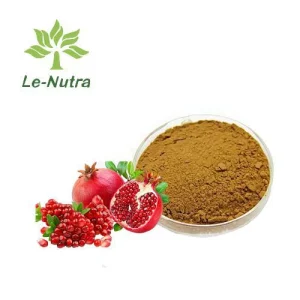
Wholesale All-natural Pomegranate Peel Extract for skin antioxidant protection Manufacturers, Factories
OEM Premium Neopentyl Glycol Diheptanoate for Cosmetics Beauty Products Manufacturers, Factories
Wholesale Natural Hydrolyzed Black Bean Protein Powder for Dietary Supplement Suppliers, Factories
High-Quality Lemon Balm Leaf Extract Supplier, Factories
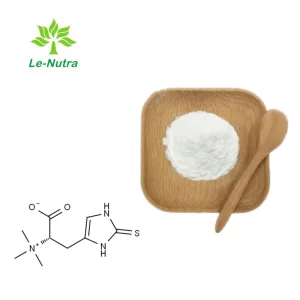
Custom High Concentration Ergothioneine Powder for Intensive Skin Repair Manufacturer, Factories
High-Quality High-Quality Hydrolyzed Peanut Protein for Personal Care Products Manufacturer, Factories