Featured Organic Cosmetic Formulation Ingredients (Catalog Part I)
High-purity cosmetic raw materials, bioactive peptides, and botanical extracts manufactured under strict GMP and ISO standards for international clean-beauty brand compliance.
Global Landscape & Economic Paradigm Shift in Organic Cosmetic Formulations
The global beauty and personal care manufacturing industry is currently experiencing a structural transition toward clean-science, bio-fermented, and organic cosmetic formulations. Driven by evolving international regulations—such as the US FDA’s Modernization of Cosmetics Regulation Act (MoCRA) and the EU’s stringent REACH standards—cosmetic brand owners can no longer rely on synthetic petroleum-derived emulsifiers, silicones, and synthetic active carriers. Sourcing managers and chemical formulators are urgently seeking qualified Organic Cosmetic Formulation Suppliers and OEM/ODM Factories capable of providing fully traceable, highly stable, and bioactive natural inputs.
The commercial imperative for organic formulations extends far beyond simple consumer marketing buzzwords. Modern consumers demand verified clinical efficacy alongside ecological integrity. This requires organic cosmetic manufacturing facilities to integrate cutting-edge green chemistry, zero-carbon enzymatic extraction, and small-molecule biopeptide synthesis into their bulk manufacturing protocols.
To meet this global demand, raw material suppliers must maintain comprehensive dossiers including Certificate of Analysis (COA), Safety Data Sheets (SDS/MSDS), heavy metal profiles, pesticide residue screenings, and allergen statements. A true tier-1 manufacturing partner acts as a seamless extension of a brand’s R&D department, accelerating time-to-market while reducing regulatory liability.
Engineering Precision & Factory Efficiency Advantages of Chinese Manufacturing
As global supply chains demand enhanced cost-efficiencies without compromising scientific rigor, China has emerged as the premier manufacturing hub for advanced botanical extraction, bio-fermentation, and organic formulation development. Factories in major industrial zones, such as the Xi'an High-Tech Industrial Development Zone, combine vast botanical agricultural access with state-of-the-art chemical engineering infrastructure.
Supercritical CO2 & Membrane Separation
Utilizing low-temperature supercritical carbon dioxide extraction preserves heat-sensitive botanical actives (such as volatile polyphenols and unsaturated fatty acids) without solvent residues, yielding pristine organic-compliant raw ingredients.
Targeted Enzymatic Cleavage Tech
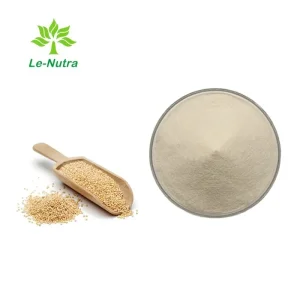
Our bio-processing plants employ multi-stage enzymatic digestion to break down bulky plant proteins (e.g., Quinoa, Rice, Wheat) into small-molecule peptides (<2,000 Daltons) for superior transdermal bioavailability and cellular signaling.
End-to-End Scale Flexibility
From pilot testing batches (10kg–50kg) for boutique skincare brands to multi-ton continuous extraction runs for multinational conglomerates, integrated Chinese facilities provide unmatched speed and economies of scale.
| Manufacturing Parameter | Legacy Regional Laboratories | Advanced Chinese OEM/ODM Bio-Factories |
|---|---|---|
| Extraction Processing Capacity | Small-batch / Contracted 3rd Parties | In-house 60,000 m² Facility with 6 High-Cap Lines |
| Active Standardization Method | Basic Gravimetric Ratios | High-Performance Liquid Chromatography (HPLC) / UV-Vis |
| MOQ & Customization Flexibility | Rigid MOQs (High Overhead Costs) | Modular OEM/ODM Batches tailored to custom target INCI |
| Turnaround & Shipping Timelines | 12 to 16 Weeks Lead Time | Streamlined Export Logistics (3 to 5 Weeks Worldwide) |
| Documentary Compliance Package | Basic COA provided separately | Full Dossier: COA, MSDS, Heavy Metals, Microbe, Stability Files |
Localized Application Scenarios & High-Performance Formulation Dynamic
Formulating organic cosmetics requires a deep understanding of active ingredient synergies, emulsion physics, and skin barrier physiology. Different geographic regions present unique cosmetic challenges driven by climate, pollution index, and local consumer preferences. Below are three critical technical application scenarios where specialized organic raw materials are transforming cosmetic chemistry.
Biomimetic Peptide Serums
In urban environments across North America and Western Europe, pollution-induced photoaging is a primary concern. Formulators utilize Mu-Conotoxin Peptides and Palmitoyl Tetrapeptide-10 to targetedly relax facial tension lines and boost skin translucency without synthetic neurotoxins.
- Synergistic anti-wrinkle muscle relaxation
- Stimulates endogenous collagen type I & III synthesis
- Organic lipid-carrier encapsulation compatible
Clean-Science Spot Corrections
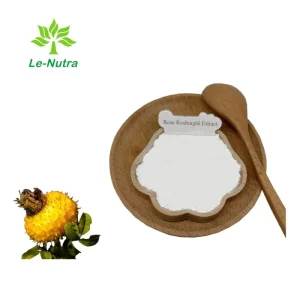
In Asia-Pacific and Latin American markets, hyperpigmentation from UV exposure drives high demand for non-irritating brightening solutions. Combining high-purity Tranexamic Acid with botanical Rosa Roxburghii Extract blocks tyrosinase activation while protecting against oxidative cell damage.
- Inhibits UV-induced plasmin activity in keratinocytes
- Dual-action enzymatic and free-radical inhibition
- High aqueous stability across pH 3.5 – 6.5 ranges
Vegan Keratin & Protein Repair
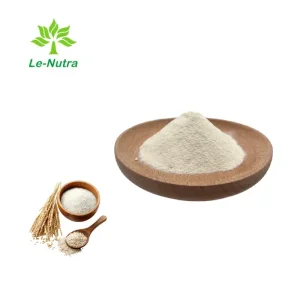
Global trends show a major pivot away from animal-derived keratin in premium haircare routines. Hydrolyzed Quinoa Protein and Hydrolyzed Rice Protein provide bio-identical amino acid profiles that penetrate the hair cortex to repair disulfide bonds damaged by chemical treatments.
- Repairs cuticle damage and increases tensile strength
- Exhibits film-forming properties to seal in moisture
- 100% plant-based, gluten-free certified options available
Industry Macro-Trends: The Future of Clean Beauty & Synthetic Biology
The organic cosmetic market is rapidly evolving beyond basic cold-pressed oils and unrefined extracts. The next decade will be defined by the intersection of Synthetic Biology, AI-assisted Peptide Design, and Upcycled Botanical Manufacturing. As a global procurement manager or brand executive, aligning with a forward-looking factory ensures long-term product competitiveness.
1. AI-Driven Bioactive Discovery & Molecular Docking
Modern cosmetic research leverages computational modeling to predict how specific plant-derived molecules interact with human cutaneous receptors. By analyzing binding affinities before wet-lab synthesis, ingredient manufacturers can isolate ultra-targeted actives—such as custom-cleaved peptides—that deliver measurable biological results at lower concentration thresholds.
2. Precision Fermentation & Cellular Agriculture
Precision bio-fermentation enables the production of complex molecules (e.g., Ergothioneine, Ectoine, Human-Identical Collagen) through micro-organism cultures. This technique drastically reduces land and water consumption while yielding purity levels exceeding 99%, making it the gold standard for sustainable organic formulations.
Procurement & Qualification Blueprint for B2B Sourcing Managers
Selecting an organic cosmetic formulation manufacturer requires rigorous audit protocols to safeguard brand reputation and product safety. Sourcing directors should evaluate potential supplier facilities based on the following multi-tiered qualification roadmap:
Phase 01: Audit Verification
Verify factory ISO 22716 (GMP), cGMP compliance, EcoVadis ratings, and cleanroom air handling specs (Class 100,000 cleanrooms).
Phase 02: Analytical Testing
Request batch-specific COAs verified via HPLC, GC-MS, and ICP-MS for heavy metals (Lead, Arsenic, Mercury, Cadmium) and microbial counts.
Phase 03: Formulation Challenge
Perform stability testing (freeze-thaw, heat stress at 45°C) and preservative efficacy testing (PET) on prototype emulsions.
Phase 04: Supply Logistics
Confirm lead times, custom packaging options, cold-chain transport availability, and INCI / REACH international registrations.
Featured Organic Cosmetic Formulation Ingredients (Catalog Part II)
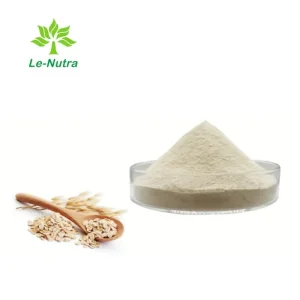
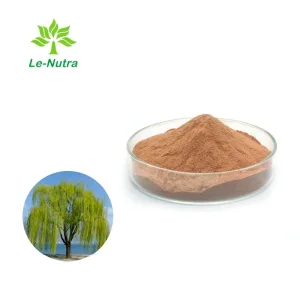
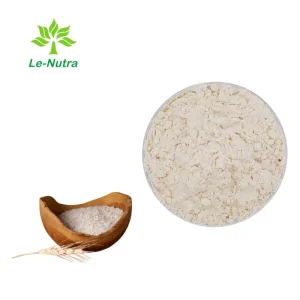
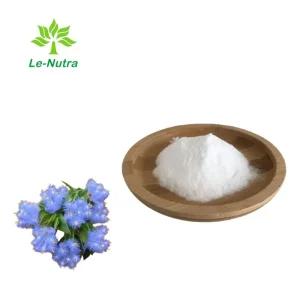
Explore our specialized range of health supplement ingredients, botanical extracts, and functional peptides available for global OEM/ODM contract manufacturing.
Frequently Asked Questions (Technical & Procurement FAQ)
In-depth technical responses curated for cosmetic chemists, regulatory directors, and global procurement professionals.
Ready to Scale Your Organic Cosmetic Formulation Pipeline?
Partner with a trusted, science-first supplier and OEM/ODM factory. Contact our technical sales engineering team today to request batch samples, custom pricelists, and complete regulatory dossiers.